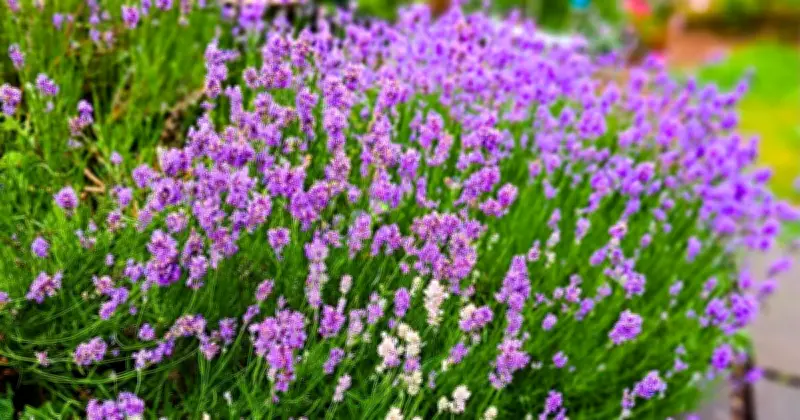
Gardeners seeking lush lavender blooms in July should skip fertilizer and instead sprinkle gravel around the plant, according to gardening expert Katherine McPhillips. The simple technique helps replicate the Mediterranean conditions lavender naturally thrives in, preventing common issues like root rot and excessive leafy growth.
Why Fertilizer Harms Lavender
Lavender is a woody herb native to the Mediterranean, where it grows in poor, sandy soil with minimal nutrients. Unlike many garden plants that benefit from July feeding, lavender responds poorly to fertilizer. McPhillips explains that fertilizing lavender causes it to waste energy on soft leafy foliage rather than flowers. This new growth is vulnerable to slugs and stresses the plant, often halting blooming entirely.
“Lavender grows in harsher conditions without much nutrients at all,” McPhillips notes. “If you fertilise it, it will waste all that extra energy into growing lots of leafy foliage.”

The Gravel Solution for Better Drainage
Instead of fertilizer, McPhillips recommends applying gravel around the base of lavender plants. The UK's July weather often brings heavy rain, especially in Scotland, where McPhillips gardens. Wet soil is a primary cause of lavender decline in British gardens. Gravel quickly moves water away from roots, improves air circulation, and reduces humidity around the plant.
“Wet soil is often what kills and stresses lavender out in British gardens,” she says. “Gravel will quickly move water away from the lavender roots and improve air circulation around the plant to help reduce humidity.”
Warming the Soil for Mediterranean Conditions
Beyond drainage, gravel heats up rapidly in sunlight, warming the soil and recreating the hot climate lavender prefers. This warmth encourages continued flowering throughout summer. McPhillips acknowledges this approach may counter typical gardening instincts but stresses that dry, warm soil is key to lavender happiness.
“Stone also heats up quickly if it is sunny outside, and warm soil will also recreate the hot climate lavender is used to and help it keep flowering,” she adds.
Additional Tips for Lavender Success
If lavender still fails to bloom after applying gravel, McPhillips advises checking sunlight exposure. Lavender requires six to eight hours of direct sunlight daily. She grows her lavender next to a patio in a bright spot, away from other plants, where it thrives with minimal effort.
“Lavender is an unusual plant, as keeping it alive usually requires giving it less nutrients and water, but if you put down gravel, I guarantee you will get lots of purple stems this summer,” she concludes.