Australian government ministers held more than 20 meetings with Japanese gas company executives during the last parliamentary term, as Labor encouraged investment in fossil fuels. The meetings were detailed in a report by thinktank InfluenceMap, which argues Japanese liquefied natural gas (LNG) companies have worked with Australian gas interests to lobby for favourable local policies, prolonging the industry's life and slowing the shift to clean energy in the Asia-Pacific region.
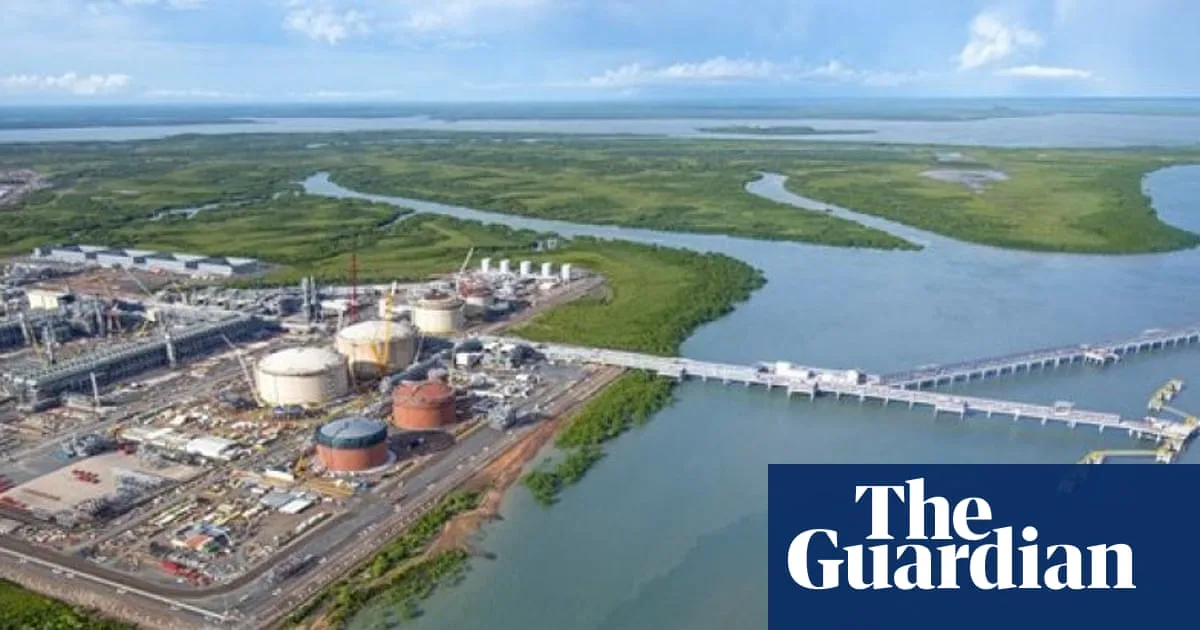
InfluenceMap found that Japanese operators including Inpex, Jera, Mitsubishi and Mitsui have more than A$70bn in equity across 13 Australian LNG developments, which account for about 17% of global LNG capacity. The largest investment is in the Ichthys gas field in the Timor Sea, primarily backed by Inpex. Based on projected output, these developments could emit 290 million tonnes of carbon dioxide annually—roughly two-thirds of Australia's total yearly climate pollution.
Freedom-of-information documents showed Resources Minister Madeleine King met Japanese LNG representatives at least 17 times. Prime Minister Anthony Albanese and four other ministers each held single meetings, while at least three meetings involved senior officials. InfluenceMap noted that weak Australian lobbying transparency rules likely mean further meetings were not captured.

The report suggests this lobbying shaped key policies, including the 2024 'future gas strategy' released by King, which stated new gas sources would be needed 'to 2050 and beyond'—after both Australia and Japan committed to net-zero emissions. Briefing notes supplied to King before a visit to Japan in October 2024 echoed gas industry language, advising her to tell leaders that Australia remained committed to being a reliable LNG provider while transitioning to net zero.
Japan, which relies heavily on energy imports, argues it needs more Australian gas to replace coal and support renewables. However, leaked advice to the Western Australian government warned that unlimited gas exports risked slowing Asia's clean energy shift. A separate report found Japanese companies resold over a third of the gas they bought from Australia, earning more than $1bn in profit in 2024. Critics, including Labor MP Ed Husic, said this showed Japanese multinationals profiting from gas not needed for Japan's own demand.
InfluenceMap's Australia program manager, Jack Herring, said the evidence showed Japanese LNG investment and lobbying risked locking in fossil fuel dependence across the region. He noted that claims of gas as a 'transition fuel' contradicted evidence from the Intergovernmental Panel on Climate Change, which both governments have endorsed.