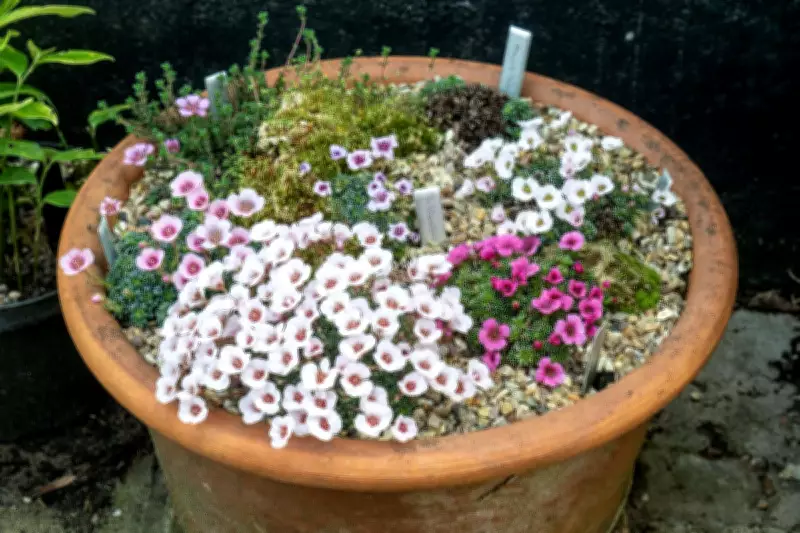
Creating Perfect Alpine Containers for Vibrant Spring Gardens
If traditional pansies and primroses have lost their appeal for your spring containers, alpine plants offer a refreshing and colourful alternative. These hardy specimens from mountainous regions bring unique flowers and foliage to pots during late spring and early summer, with most varieties being exceptionally cold-tolerant.
Selecting the Right Container and Setting
Whether using an alpine rock, terracotta pan, or reclaimed Belfast sink, creating a cohesive appearance is essential. Lauren Fear, alpine horticulturist at RHS Harlow Carr, recommends matching the container with appropriate top dressing materials to achieve a natural landscape effect.
"For a traditional aesthetic, salvage yards often offer excellent troughs, some measuring up to seven feet long. Garden centres typically provide lighter composite and plastic alternatives," Fear explains. Materials like limestone chippings, black pebbles, or coloured glass fragments can dramatically enhance alpine trough displays.

Proper Container Elevation and Soil Preparation
Elevate your containers using bricks or similar supports to achieve optimal viewing height and ensure drainage holes don't rest directly on surfaces. For potting medium, Fear suggests a blend of 50% peat-free John Innes No. 2 and 50% horticultural grit for sun-exposed plants.
"Alpine plants naturally thrive in low-nutrient scree slopes, so avoid overly rich fertilizers," she cautions. During summer, apply well-diluted feed only if compost has become depleted from earlier plantings.
Choosing Complementary Alpine Plants
Different alpines require specific light and temperature conditions. For sunny locations, select heat-tolerant varieties like Pulsatilla vulgaris (Pasque flower). Sempervivums, including the cobweb houseleek and 'Engle's' varieties, offer exceptional hardiness, while silver saxifrages develop striking silver rosettes that produce cascading white flowers with pink speckles.
Shadier, woodland-style areas benefit from underplanting with delicate bulbs like snowdrops, dwarf narcissi, or autumn-flowering acis with its distinctive white pagoda blooms. Other shade-tolerant options include Saxifraga callosa, paniculata, 'Silver Maid' varieties, and hepaticas.
Design Considerations and Plant Placement
Incorporate rocks to create stratified miniature landscapes within troughs. Select smaller plants that establish themselves gradually rather than filling containers with larger specimens. Position diminutive varieties at the front with taller plants toward the back, ensuring selections remain compact without overwhelming companions.
Excellent choices include tight campanulas, cushion-forming armeria (sea thrift) with needle-like leaves and bright pink pom-pom flowers, fragrant creeping thyme, miniature hostas with interesting foliage, and Campanula 'Dickson's Gold' featuring attractive ivy-like leaves. For added height, consider miniature rhododendrons or pines to create complete miniature landscapes, sometimes enhanced with small model figures.
Watering, Feeding, and Problem Management
Watering requirements vary seasonally: minimal during wet winter periods, increasing to approximately weekly or biweekly during summer. "The primary issue involves excessive moisture leading to rot," Fear notes. Regularly inspect plants for botrytis (grey mould), removing affected leaves promptly.
Avoid positioning alpine troughs beneath dripping trees or roof edges where constant moisture accumulates. Containers placed under protective lean-tos may require additional winter watering to compensate for reduced rainfall exposure.