Cardboard: The Simple, Chemical-Free Weed Solution
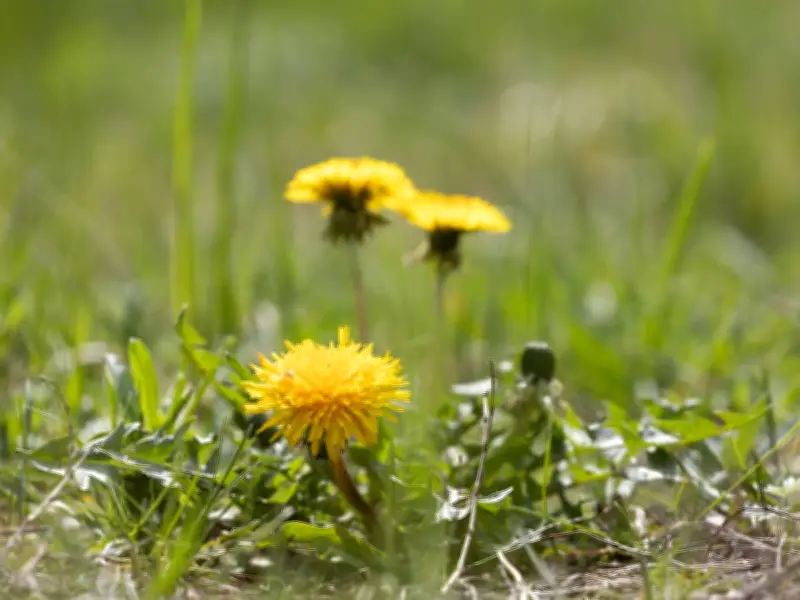
Weeds flourish in the UK's mild temperatures and regular rainfall, with common types like dandelions, daisies, bindweed, and ground elder being hard to overlook. For those avoiding chemical weed killers, alternatives like white vinegar, baking soda, salt, and boiling water are often suggested, but they do little to address demanding elements like pulling and spraying. One gardening specialist has proposed a hands-free approach called 'sheet mulching.'
How Sheet Mulching Works
While professional landscapers have used this method for years, it remains a 'revelation' for home gardeners. Elizabeth Florio of Garden & Gun explained: 'It turns out the cardboard that passes through households in abundance is a low-fuss, good-for-the-soil, sustainable-many-times-over weed barrier.' The method is simple: lay a flattened cardboard box over patches of weeds and cover with garden mulch. This works by 'smothering the undergrowth' while enriching the soil with carbon, according to the gardening specialist.
Real Gardener Success Stories
A keen gardener on the Charles Dowding forum shared that cardboard was an 'amazing' solution for keeping all types of garden weeds at bay. They said: 'Under hedges I put cardboard with wood chip on top, nothing through at all. We also had a weed-ridden border which I put cardboard first, then planted heather into holes cut in it, then put peat compost all over as mulch and it is doing well, heather alive and had to pull about two weeds in two months.'

Step-by-Step Guide to Cardboard Weeding
There's no need to clear existing weeds before placing cardboard over them. Experts advise cutting them back and letting the cardboard flatten them naturally. Choose plain brown cardboard with little to no ink, avoiding glossy materials, tape, or plastic film. Pizza boxes are generally considered the safest choice. For optimal suppression, layer flattened boxes and spray them with water to help them conform to the ground. If planting directly over the cardboard, add a layer of compost and planting soil on top, then spread your preferred mulch directly onto the cardboard.