UK Food System a 'Tinderbox' for Social Unrest and Potential Violence, Experts Warn
A stark new analysis has revealed that the United Kingdom's food system has become a "tinderbox" for social unrest, with experts warning that it could potentially lead to violence if triggered by specific catastrophic events. The research, published in the journal Sustainability, highlights how chronic underlying issues have left the nation's food supply dangerously vulnerable.
Chronic Vulnerabilities and Acute Triggers
The study, conducted through consultations with more than thirty food system experts, identifies a combination of long-term problems that have created this precarious situation. Climate change, rising inequality, and poor farming policies are cited as the primary chronic vulnerabilities eroding the system's resilience.
Researchers then analysed the acute triggers that could ignite this tinderbox, tipping the system into "widespread fear of unsafe or inadequate food, leading to violence". The three highest-ranked triggers are:

- Extreme weather events, either domestically causing crop failure or internationally driving up prices.
- A major cyber-attack on critical infrastructure.
- A new international conflict disrupting global trade, similar to the impact of the war in Ukraine.
The report notes that some of these triggers have already occurred on a smaller scale, such as the 2025 cyber attacks on major retailers Marks & Spencer and the Co-op.
National Security and Systemic Weaknesses
"The stability of the UK's food system is a critical aspect of national security, yet it remains vulnerable to threats that could precipitate a crisis," the analysis states. It underscores that despite being a high-income nation with sophisticated supply chains, the UK is not immune to disruptions that can cause severe consequences, including food insecurity, malnutrition, and civil unrest.
Professor Sarah Bridle from the University of York, who led the analysis, emphasised the need for proactive measures. "While we can't always prevent future shocks, we can build resilience to withstand them, and stop a bad situation from becoming a crisis," she said. "Understanding how the system might react to extreme pressure is the first step to preventing worst-case scenarios unfolding in the future."
The research points to several systemic weaknesses:
- Global concentration: Food production is heavily concentrated in a few "bread basket" regions like the US, Brazil, and Russia, making the supply chain highly susceptible to disruption.
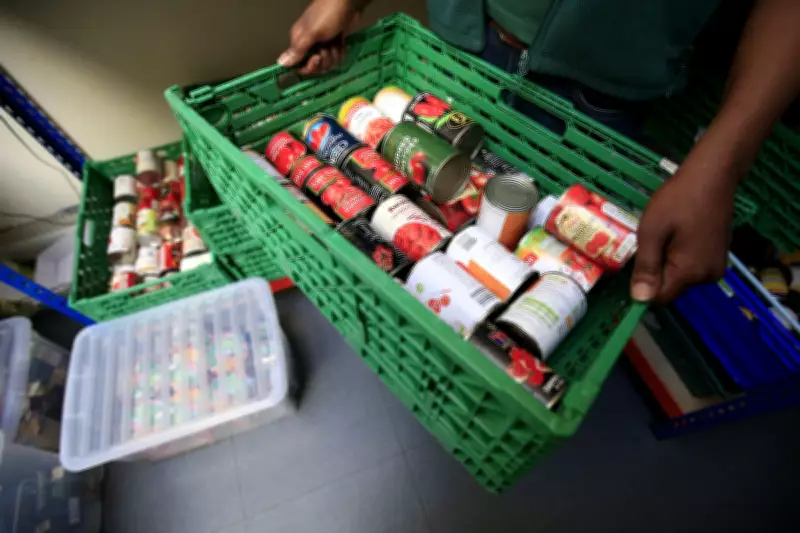
- Domestic pressures: The UK has seen a tenfold increase in people requiring emergency food parcels over a decade, with Brexit significantly impacting food supply chains.
- Current insecurity: Recent data shows 18% of households with children experienced food insecurity in the past month, and 9% lacked balanced meals due to this insecurity.
Cascade Towards Crisis and Violence
The report outlines a potential cascade of events following an initial trigger. The first signals of food shortages could prompt panic buying, which in turn creates visible empty shelves and further shortages. This environment could then foster:
- An increased black market for stolen food.
- Unsafe food practices.
- Ultimately, crime and violence to obtain food.
The analysis also warns that a crisis could stem from "hunger and resulting feelings of despair when coupled with a lack of trust in government."
Calls for Coordinated Action and Resilience Building
The study concludes with urgent calls for more coordinated action by both government and businesses to bolster the food system's resilience. Key recommendations include:

- Establishing a national forum to prepare for potential food system shocks.
- Creating new UK shipping routes to improve physical infrastructure and reduce dependency on vulnerable global corridors.
- Implementing emergency cash transfers to support the poorest populations during a crisis.
- Increasing the diversity of UK diets to reduce reliance on a narrow range of imported foods.
The overarching message is clear: without significant intervention to address both chronic vulnerabilities and prepare for acute shocks, the UK's food system remains a powder keg, with the potential for social unrest and violence looming as a real and present danger.