Albanese Government's Environmental Announcements Amid Liberal Party Turmoil
On a day when political attention was firmly fixed on the opposition's internal leadership struggles, the Albanese government quietly released a series of significant environmental and climate policy announcements. As Angus Taylor ascended to lead a divided Liberal Party, Labor chose this moment to unveil decisions on carbon leakage, threatened species, and a contentious coal mine expansion.
Carbon Leakage Review and Border Adjustment Mechanism
After holding the report for a full year, the government finally published the findings of a comprehensive review into carbon leakage, led by respected climate economist Professor Frank Jotzo from the Australian National University. The review examined the potential risks of Australian companies relocating industrial activities overseas due to the nation's climate policies, which could undermine global emissions reduction efforts.
Professor Jotzo's analysis concluded that while carbon leakage is not an immediate threat in Australia, this situation is likely to change as major industries face stricter pollution controls under the safeguard mechanism. The review proposed implementing a carbon border adjustment mechanism, or Cbam, which would impose charges on imports of certain products to ensure they face equivalent carbon costs to domestically produced goods.

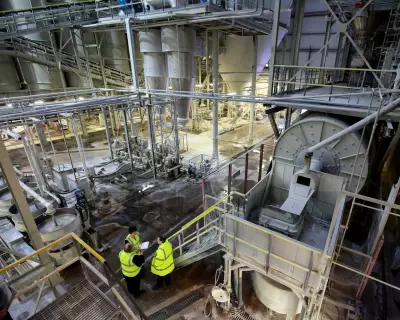
The initial recommendation focused on cement and clinker due to their high emissions intensity and vulnerability to import replacement. The review also suggested considering the mechanism for lime, hydrogen, ammonia, glass, steel, and iron. This approach aligns with existing European Union policies and planned implementations in the United Kingdom, with Taiwan, Canada, and South Korea also exploring similar measures.
Opposition leader Angus Taylor quickly criticized the proposal as a carbon tax that would increase living costs, though this argument assumes the abolition of climate pollution reduction policies. Professor Jotzo countered that a Cbam could actually foster new industries by establishing a green premium when local and imported products face identical carbon costs.
The government's response remained measured, with a spokesperson for Climate Change and Energy Minister Chris Bowen stating that Labor would always back Australian industry to be competitive at home, and on the world stage, and that Jotzo's findings would inform upcoming safeguard mechanism discussions.
Maugean Skate Conservation Decision
Environment Minister Murray Watt rejected conservationists' calls to uplist the Maugean skate from endangered to critically endangered status. This ancient ray-like species, found exclusively in Tasmania's Macquarie Harbour, has been listed as endangered since 2004. The decision comes amid ongoing controversy surrounding salmon farming in the harbour, which poses the primary threat to the skate's survival.
Earlier this year, Guardian Australia revealed that the government's threatened species scientific committee had advised that adult skate numbers were extremely low and recommended either dramatically scaling back or removing salmon farms. The committee had urged uplisting to critically endangered status.
The government has committed to preventing extinctions while simultaneously supporting the salmon industry. Minister Watt emphasized that his decision does not alter the need for critical actions to protect the species, noting a $37.5 million investment in conservation efforts. He referenced a report from Tasmania's Institute of Marine and Antarctic Studies suggesting potential population recovery to 2014 levels, though the report itself cautioned that numbers remain low and vulnerable to environmental events.
Conservation groups criticized the decision, accusing the government of abandoning precautionary principles and prioritizing corporate interests over environmental protection.
New Threatened Species Listings
The Australian Conservation Foundation documented numerous additions to the nation's threatened species register. Notable inclusions encompass North Queensland's lemuroid ringtail possum, which is migrating to higher elevations in the wet tropics mountains due to rising temperatures from greenhouse gas emissions.

Other newly listed species include the Mount Donna Buang wingless stonefly, a unique Australian insect that hatches in snow and occupies just one square kilometre near Melbourne, and the glossy grass skink, whose Tasmanian habitat has suffered from clearing and drainage for agricultural, residential, and logging purposes. The list also features four additional reptiles, one fish, one mollusc, and twenty-five plant species.
Middlemount Coal Mine Expansion Approval
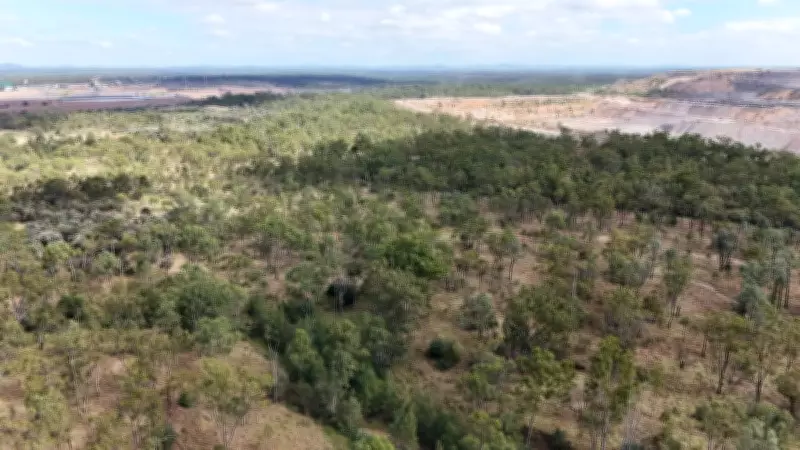
Minister Watt approved the expansion of the Middlemount coal mine in Queensland's Bowen Basin, a decision that conservationists warn could result in approximately 236 million tonnes of carbon dioxide emissions over coming decades as coal is exported and burned overseas for steel production or electricity generation. This volume exceeds half of Australia's annual emissions output.
The approval included unusual conditions aimed at protecting the threatened greater glider species. Since the 2022 election, the government has sanctioned thirty-three coal and gas developments or extensions, highlighting ongoing tensions between economic interests and climate commitments.