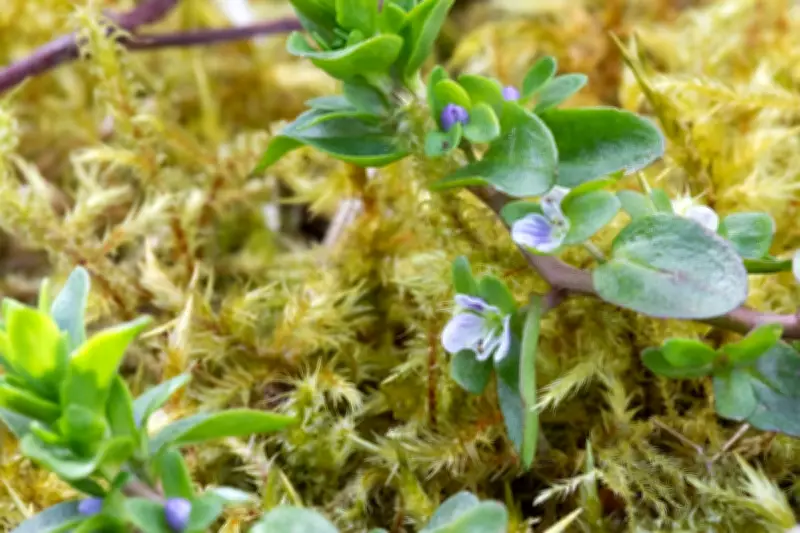
In the heart of Frome, Somerset, the ground beneath one's feet has undergone a remarkable transformation, becoming soft, springy, and yielding—akin to walking on a plush pillow. This change is not merely aesthetic but a direct consequence of the shifting climate, particularly the mild and drenched winter conditions that have swept across the region. As gardeners kneel to inspect their lawns, they are met with an intricate tapestry of life, where traditional grass has been largely supplanted by a lush blanket of moss.
The Mossy Takeover: A New Garden Reality
Upon closer examination, the garden lawn reveals a complex interweaving of spikes, ferny leaves, and a startling algal green hue. When one rises from this intimate view, the impressions left by hands and feet serve as a testament to the spongy, resilient nature of the moss. The Royal Horticultural Society often references poet Robert B Shaw, who described moss as "not so much groundcover as groundhugger," a fitting term for species like rough-stalked feather moss and haircap that now dominate the landscape.
This cushiony moss has not only claimed territory but also created space for delicate flora such as primroses and tiny thyme-leaved speedwell. Hidden within this micro-ecosystem, roaming tardigrades, affectionately known as moss piglets, add to the enchanting biodiversity. However, the once-prevalent grass has been all but suppressed under this verdant awning, with only occasional blades remaining visible.

Climate Change and the Turf Wars
The shift began in earnest last autumn, as gardens throughout the area started to reflect a new climatic normal. Relentless rain and unseasonably mild temperatures, which are increasingly poised to reshape winter patterns, have tilted the balance in favor of moss. Many gardeners who mowed extensive areas of grass last summer now find those same spaces overwhelmed by this resilient groundcover.
The resulting parti-coloured aesthetic of mixed grass and moss is not universally appreciated. Some homeowners resort to calling in self-styled green paramedics, whose vans bear reassuring names like Lawncare and Green Fingers. These professionals often arrive armed with knapsack sprayers, promising quick fixes to restore grassy lawns—though such solutions are typically temporary, requiring repeated interventions.
Adapting to a Changing Environment
As gardeners grapple with the realities of climate change, there is a growing need to adapt longstanding practices and shed outdated shibboleths. The wet winter has set the stage, and now the community awaits the summer dry spells to observe how these mossy lawns will fare under different conditions. This period of observation will be crucial in deciding future gardening strategies, whether that involves embracing the moss or seeking sustainable methods to manage it.
Ultimately, the transformation of garden lawns in Somerset serves as a microcosm of broader environmental shifts, urging a reevaluation of our relationship with nature. Under the changing skies, the beauty and resilience of moss offer both a challenge and an opportunity for gardeners to innovate and coexist with evolving ecosystems.