EPA Revokes Mercury Pollution Limits for Coal Plants, Igniting Health Fears
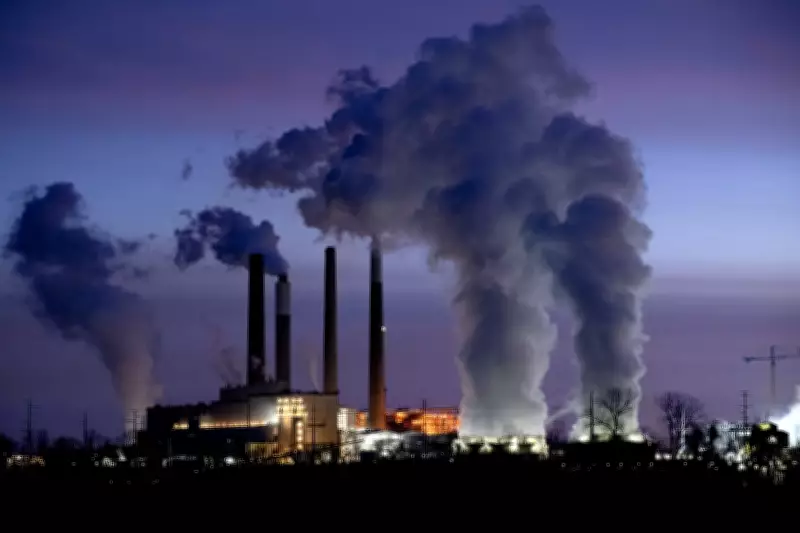
The U.S. Environmental Protection Agency has taken a decisive step to repeal a Biden-era regulation that restricted toxic air pollution from coal-burning power plants. This move could permit these facilities to emit higher levels of dangerous heavy metals, including brain-damaging mercury and cancer-causing arsenic. It represents another significant reversal of Biden administration policies by the current leadership.
Administration Claims Economic Benefits Amid Health Concerns
EPA Deputy Administrator David Fotouhi defended the decision, stating that the 2024 amendments to the Mercury and Air Toxic Standards imposed "burdensome and unnecessary requirements" that threatened grid reliability and baseload power. He asserted that human health protections established in 2012 remain intact. "By repealing these needless and costly changes made by the Biden-Harris administration, we are demonstrating that we do not need to choose between protecting human health and economic growth—we can choose BOTH," Fotouhi wrote in a social media post. The EPA estimates that rescinding these standards will save approximately $670 million.
Health and Environmental Groups Voice Strong Opposition
Leading health organizations and environmental advocates have condemned the EPA's action as a grave mistake with potentially deadly consequences. The American Lung Association called it "unconscionable from a public health standpoint and a further betrayal of EPA’s mission," noting that the agency had already granted exemptions to dozens of power plants earlier this year.

The American Public Health Association highlighted that the standards had been life-saving, reducing nearly 90 percent of mercury emissions from the power sector. "Millions are breathing cleaner air because of these protections under the Clean Air Act, and we urge EPA to rescind this dangerous decision," the association stated.
Potential Health Impacts of Increased Mercury Emissions
The Sierra Club warned that the Trump administration's action could triple the amount of mercury released by the nation's "dirtiest plants," elevating public risks of heart and lung disease, developmental delays, learning disabilities, cancer, and premature death. "This is the complete opposite of making Americans healthy," said Sierra Club Climate Policy Director Patrick Drupp. "This is despicable and reckless, and we will continue to defend our communities from these health hazards caused by coal plants."
John Walke, senior attorney for the National Resources Defense Council and a former EPA attorney, emphasized that dismantling clean air protections will not revive the declining coal industry. "It will only lead to more asthma attacks, more heart problems, and more premature deaths, especially in communities living in the shadow of coal plants," he said.
Mercury's Devastating Health Effects
Coal plants are the largest emitters of mercury, accounting for 42 percent of total U.S. air emissions according to the Union of Concerned Scientists. In 2014, American coal plants emitted 45,676 pounds of mercury, as reported by the EPA's National Emissions Inventory.
Mercury exposure, primarily through methylmercury in contaminated fish and shellfish, can cause severe health issues:
- Damage to kidneys, nervous system, and liver in adults
- Disrupted brain development in infants, affecting thinking, memory, attention, language, and spatial skills
- Potential motor control problems later in life due to early developmental disruptions
- Mercury poisoning symptoms including poor muscle coordination and numbness in extremities at blood levels above 100 nanograms per milliliter
Broader Context and Historical Background
The Trump administration has been actively promoting fossil fuel production and seeking to revitalize the coal industry, which faced challenges during the Biden administration. The EPA framed the repeal as part of reversing "Democrats’ war on beautiful clean coal."
This action follows the EPA's recent announcement to repeal its landmark 2009 finding that greenhouse gas emissions endanger public health. The Mercury and Air Toxic Standards were first finalized under President Barack Obama fourteen years ago, facing legal challenges since their inception.

In 2012, the EPA projected that its rule would prevent up to 11,000 deaths from polluting power plants. The 2024 updates had expanded emissions monitoring, set stricter pollution limits, and closed regulatory loopholes that allowed facilities to exceed emission limits during startup.
Economic and Public Health Consequences
Surbhi Sarang, Senior Attorney at Environmental Defense Fund, warned that repealing these protections will increase mercury and toxic air pollution. Ryan Maher, a staff attorney at the Center for Biological Diversity, stated: "This handout to a dying industry will result in more deaths, chronic health problems, and suffering among children, the elderly, and pregnant women. No one voted for dirtier air, higher medical bills, and sicker kids, but that’s what Trump is delivering."
Air pollution causes over 135,000 early deaths annually in the U.S., according to the State Department, with a World Economic Forum study estimating it costs Americans $2,500 per year in healthcare expenses. The long-term implications of relaxed mercury regulations could exacerbate these already staggering figures, placing vulnerable populations at increased risk while providing questionable economic benefits to a struggling industry.