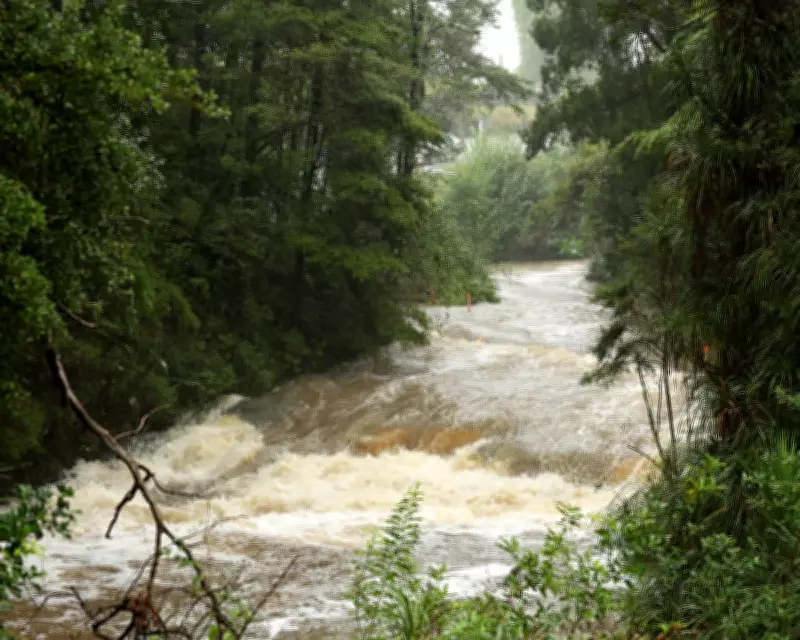
New Zealand Hit by Severe Storms and Widespread Flooding
A deep area of low pressure to the south-east of New Zealand's North Island swept into the region on Sunday, unleashing heavy rain, gale-force winds, and dangerous coastal swells that battered exposed shorelines. The storm has triggered widespread power outages, forced evacuations, and damaged critical infrastructure, with further impacts anticipated on Monday as the system lingers before tracking southwards.
Compounding Flood Risks in Saturated Areas
This severe weather event follows days of extensive flooding in the Ōtorohanga district, where a man was tragically found dead after his vehicle became submerged in flood waters. Some regions recorded more than 100mm of rain within a 24-hour period on Thursday, with Gisborne, Hawke's Bay, and the Bay of Plenty experiencing the brunt of the deluge. Additionally, the Tararua district and Wairarapa have been subjected to heavy rain and strong winds from the storm, with local 24-hour rainfall totals exceeding 100mm and wind speeds reaching approximately 80mph (130km/h) along coastal areas.
The unusually persistent system developed when a cold front moving east across the country late last week merged with a strengthening low-pressure system offshore, causing it to deepen significantly. It then became trapped between two blocking high-pressure systems, stalling in place and subjecting the same communities to prolonged and intense rainfall.

Intensified by Tropical Moisture
A humid air mass of tropical origin has fed additional moisture into the storm, further intensifying the downpours. The low-pressure system is now looping back on itself, a movement that continues to funnel rain bands over already saturated areas, compounding the risk of further flooding and exacerbating existing damage.
Storm Nils Impacts Western Europe
Meanwhile, Storm Nils battered western Europe last week with what Météo-France described as "uncommon strength," resulting in two fatalities in France and power cuts affecting about 900,000 homes. Flood alerts remained active across south-west France, while red alerts were issued in northern Spain, including Galicia, Cantabria, and the Basque Country. Winds of up to 100mph lashed France's Atlantic coast and the Alps, increasing avalanche dangers in Alpine ski resorts. In the Italian Alps, unstable snowpack has been blamed for several deaths, including incidents near Winter Olympics venues, which remained open under close monitoring.
In Portugal, a motorway bridge collapsed after the Mondego River burst its banks following weeks of relentless rain that left soils saturated and rivers swollen. Transport networks across Spain, France, and Portugal were heavily disrupted, with flight cancellations and rail delays amid flooding and high winds.
The storm was intensified by a pronounced southward dip in the jet stream, steering a powerful Atlantic low into western Europe. As mild, moisture-laden ocean air collided with colder continental air, the sharp temperature contrast fuelled the system. Rapid uplift generated intense rainfall at lower elevations and heavy snowfall over the Alps, where fresh snow and strong winds significantly heightened avalanche risks.