Tour de France Faces Existential Climate Threat as Heat Stress Soars
The Tour de France, the world's oldest and most prestigious cycling race, faces an unprecedented challenge that could force it to abandon its French homeland entirely. According to a groundbreaking study from the Barcelona Institute for Global Health, escalating temperatures mean it is "only a matter of time" before France becomes too hot to safely host the annual event.
Rising Heat Stress Threatens Athlete Safety
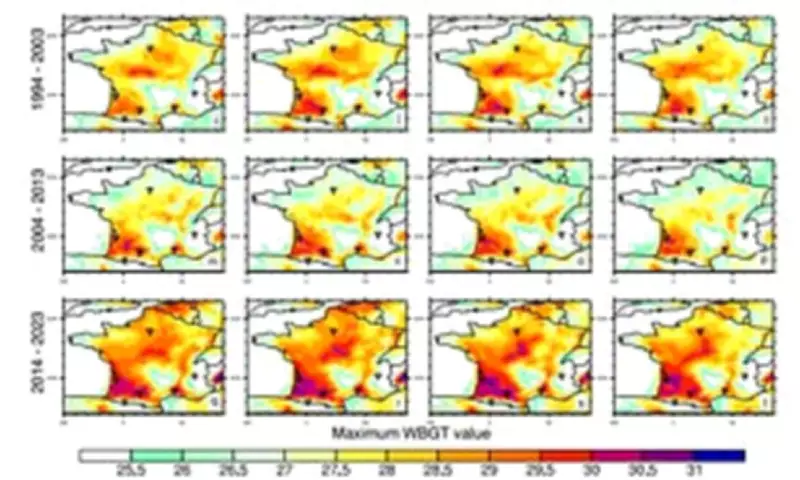
Researchers analysed climate data from Tour de France host locations between 1974 and 2023, revealing a disturbing trend of increasing heat stress risk. The study employed the Wet Bulb Globe Temperature (WBGT) index, which combines air temperature, relative humidity, solar radiation, and wind to assess heat-related health dangers.
"In our analysis, we observe that the city of Paris, for example, has crossed the high-risk threshold for heat on five occasions in July, four of them since 2014," explained lead researcher Ivana Cvijanovic. "Other cities have experienced many days of extreme heat in July, but thankfully not on the date of a Tour de France stage."

The 2,100-mile (3,500km) race, which dates back to 1903 and traditionally finishes in Paris each July, has seen heat stress episodes become most common in southwestern France around Toulouse, Pau, and Bordeaux, as well as southeastern locations like Nîmes and Perpignan.
New Heat Stress Hotspots Emerging
Alarmingly, Paris and Lyon are increasingly crossing the high-risk heat threshold, becoming what researchers describe as "new heat stress hotspots." Desislava Petrova, one of the study authors, warned: "Extra caution should be exercised when planning stages in these regions."
The research examined 12 frequently visited Tour locations, calculating WBGT values for all July dates corresponding to different race editions. While classic mountain stage locations such as the Col du Tourmalet and Alpe d'Huez have remained within low to moderate heat stress risk thresholds, the overall picture is concerning.
Timing Matters: Afternoon Presents Greatest Danger
The study also revealed significant variations in heat stress risk throughout the day. Morning hours remain the safest period for cyclists, while late afternoon presents the most dangerous conditions. This timing factor adds complexity to race planning and safety protocols.
James Begg, another researcher involved in the study, highlighted the unique challenges elite athletes face: "Science still has many unanswered questions about how the human body responds to heat, and even more so in the case of elite athletes, who face sustained physical exertion while also having physical conditioning and training levels well above those of the general population."
Real-World Consequences and Future Implications
The 2024 Tour de France provided stark evidence of the heat's impact when British cycling icon Sir Mark Cavendish struggled with sickness during the first stage, requiring assistance from teammates in worrying circumstances. Such incidents underscore the growing safety concerns.
Researchers conclude that schedules, routes, and safety protocols must be fundamentally reconsidered for future Tour de France events. The study suggests that with record-breaking heatwaves becoming more frequent, the race's luck in avoiding extreme heat stress days is running out.
"In a way, we can say that it is an extremely fortunate race," Cvijanovic noted, "but with record-breaking heatwaves becoming more frequent, it is only a matter of time before the Tour encounters extreme heat stress day that will test existing safety protocols."
The findings raise profound questions about the future of this iconic sporting event and highlight how climate change is reshaping even the most established traditions. As temperatures continue to rise, the possibility of relocating the Tour de France from its French origins becomes increasingly plausible, marking a potential watershed moment for international sports adaptation to our warming planet.