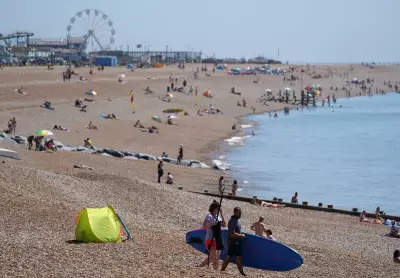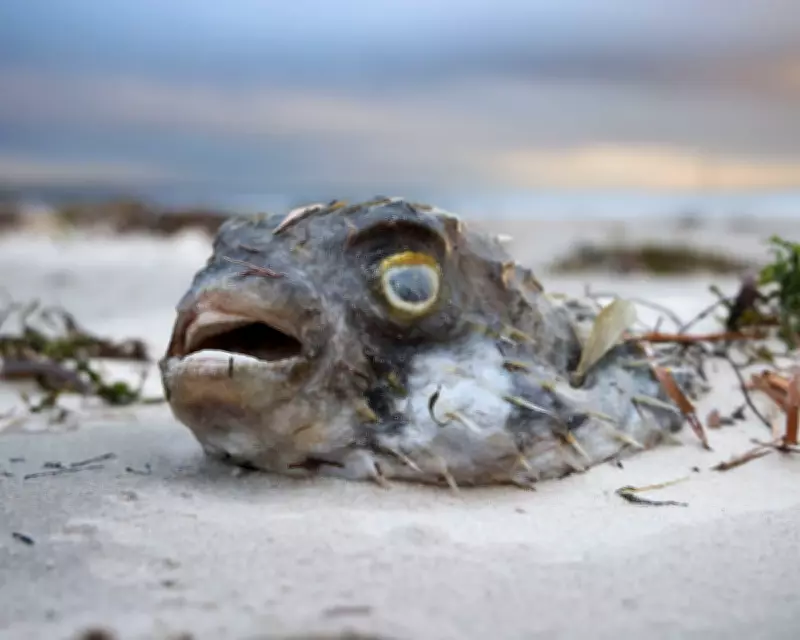
A massive toxic algal bloom that has devastated marine life and disrupted tourism along South Australia's coastline may be followed by a second wave, scientists have warned. The bloom, which stretches over hundreds of kilometres, has caused mass fish kills and forced the closure of beaches and fisheries.
Current Situation
The bloom, primarily composed of the harmful algae Karenia mikimotoi, has been observed from the Eyre Peninsula to the Yorke Peninsula. It has produced toxins that affect the nervous systems of fish and other marine organisms, leading to significant die-offs. Local authorities have issued health warnings, advising against swimming or consuming seafood from affected areas.
Potential for Second Wave
Dr. Emily Johnson, a marine biologist at the University of Adelaide, explained that the current bloom could be followed by a second wave if nutrient levels remain high and weather conditions stay calm. "We are monitoring the situation closely. The algae can persist in the water column and may resurge if conditions are favourable," she said.

The bloom has already had a severe economic impact, with the fishing and tourism industries reporting significant losses. Restaurants and seafood markets have been forced to source products from other regions, while holiday bookings have been cancelled.
Government Response
The South Australian government has allocated emergency funding to support affected businesses and is working with scientists to track the bloom's movement. A spokesperson stated, "We are doing everything we can to mitigate the impact and ensure public safety."
Researchers are also investigating the causes of the bloom, which may be linked to agricultural runoff and rising sea temperatures. Climate change is believed to be a contributing factor, as warmer waters create ideal conditions for algal growth.
Long-term Measures
In the long term, authorities are considering stricter regulations on fertiliser use and improved wastewater treatment to reduce nutrient pollution. Community education campaigns are also being planned to raise awareness about the risks of algal blooms.
As the situation develops, residents and tourists are urged to stay informed through official channels and adhere to health advisories. The next few weeks will be critical in determining whether a second wave materialises.