UK Gardeners Urged to Delay Planting Due to Wet Winter Conditions
A prominent gardening expert has issued a crucial warning to UK gardeners this February, advising them to avoid a common mistake that could lead to their flowers struggling to thrive. With many enthusiasts eager to prepare their gardens for the upcoming spring blooms, the current weather patterns demand careful consideration.
Heavy Rainfall Impacts Garden Planning
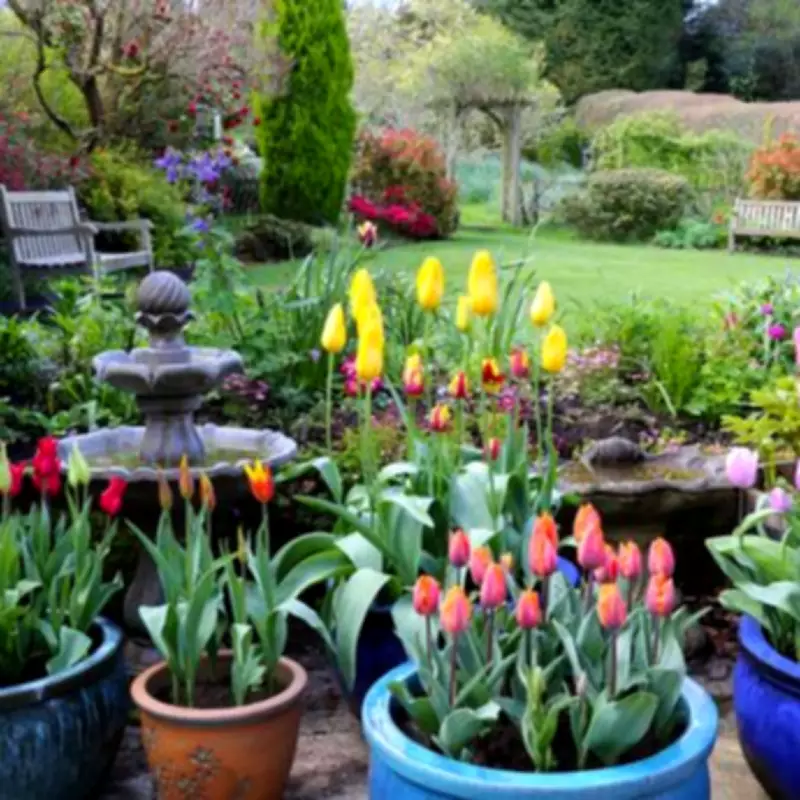
Much of the United Kingdom has experienced exceptionally heavy rainfall in recent weeks, with some regions even reporting 41 consecutive days of precipitation. This persistent wet weather has resulted in flooding in various areas, creating challenging conditions for outdoor planting activities. While February is traditionally a month when gardeners begin to plant flower bulbs to establish them early, the expert cautions that doing so now may be premature.
TikTok gardener, known as @gardening.with.ish, has specifically urged people to "hold their horses" when it comes to planting. Ish explained that although bulbs and plants are readily available in stores and supermarkets, the wet and cold winter means that planting them too early in February could be detrimental. "We have had a very wet and cold winter, and as a result, planting these a little bit too early in February may be a bit of a struggle," Ish stated.

Expert Recommendations for Optimal Planting
The gardening expert recommends delaying planting until late February or early March to allow conditions to improve. This patience will give the plants a better chance to establish themselves without the stress of excessive moisture and low temperatures. By waiting, gardeners can ensure their flowers have the ideal environment to grow and bloom successfully as spring progresses.
Supporting Wildlife in Your Garden
In addition to plant care, the article highlights the importance of supporting local bird populations during this time. With National Nest Box Week occurring, it is an opportune moment for gardeners to install nest boxes in their outdoor spaces. The RSPB suggests that this simple addition can provide birds with a place to rest and stay warm, complementing efforts like putting out bird food.
The RSPB explained: "Putting out bird food is great, but if birds don't have access to nesting sites, they won't have anywhere to raise the next generation." It is also crucial that nest sites are located near foraging areas where birds can find invertebrates without straying too far from their nests.
Nest boxes typically cost between £10 and £20, though cheaper options can be found online. Different bird species favour specific types of boxes; for example, purpose-built Swift boxes are available, as well as open nest boxes for Robins. The RSPB noted that Swift numbers have declined by 62% in the UK between 1995 and 2021, partly due to a lack of suitable nest sites, making such interventions valuable.
Gardeners are reminded to clear out nest boxes during autumn, preferably in September, as long as they are unoccupied. As spring approaches, it is best to leave any existing nest boxes undisturbed to avoid disrupting the birds.
By following these expert tips, UK gardeners can not only protect their plants from the harsh winter conditions but also contribute to local wildlife conservation, creating a thriving and balanced garden ecosystem for the seasons ahead.