Lawsuit Alleges Violent Video Game Play Led to Patient's Deadly Attack
A new federal lawsuit filed by the family of a man beaten to death at a Minnesota mental health facility alleges that staff negligence and indifference contributed to the tragic killing. The lawsuit, filed against the Minnesota Department of Human Services and several employees, claims that the facility allowed the suspect to play violent video games in violation of program rules just prior to the fatal incident.
Details of the Fatal Incident
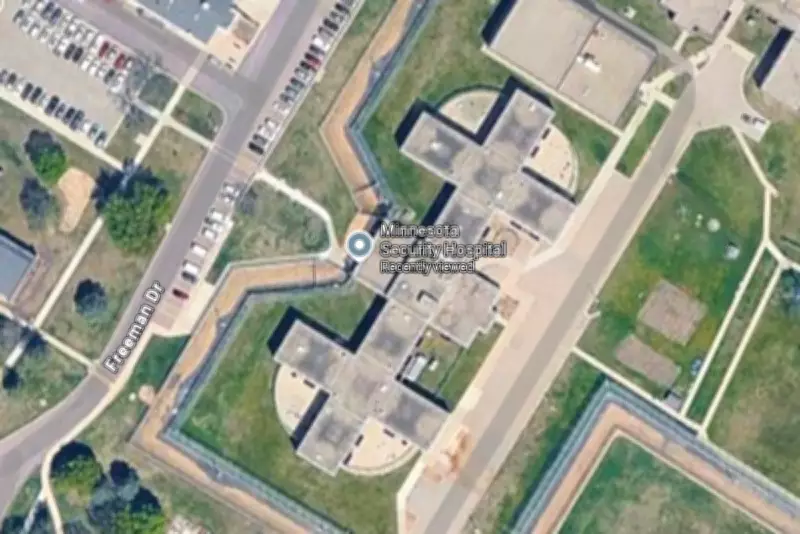
Abdirashid Mohamed Hussein, aged 38, was found dead in the early hours of January 1, 2024, at the Minnesota Security Hospital in St. Peter. He had been bludgeoned to death with an electric guitar by his roommate, David Michael Otey, who was 45 years old at the time. Otey was later acquitted of unintentional murder and three counts of assault due to his mental illness, and he remains a resident at the facility.
The lawsuit, brought on behalf of Hussein's brother, asserts that staff failed to intervene despite clear warning signs of Otey's deteriorating mental state. Otey had a known violent criminal history, including the 2018 murder of his sister, and a documented history of delusional and violent psychosis.

Alleged Negligence and Violation of Rules
In the months leading up to the killing, Otey had been spiraling downward, showing symptoms such as sleeplessness, growing irritability and anxiety, and missing work and group counseling sessions. Despite these red flags, the facility allegedly permitted Otey to stay up late at night and play violent video games in a common area, in full view of staff and in direct violation of program rules.
On the night of the killing, Otey had been playing a video game called Assassin's Creed Valhalla, which is rated 'M' for mature due to blood and gore. The game features a protagonist who wields an ax or sword to bludgeon and murder other characters in a lifelike manner. According to the lawsuit, Otey became disoriented and confused after playing the game and went into his room, where he admitted to swinging a guitar 'like an ax,' resulting in Hussein's death.
Psychological Findings and Legal Proceedings
A court-appointed psychologist later found that the attack mirrored elements of the game, noting that the guitar swinging was potentially near exact to some of the dynamics observed in gameplay. The psychologist concluded that Otey's confusion and disorientation were likely due in part to his exposure to extreme violence, combined with the other stressors he was undergoing at the time.
The Forensic Mental Health Program, part of Minnesota Direct Care and Treatment, operated under the Department of Human Services until July 2025, when it became a standalone agency. Marshall Smith, CEO of DCT Health System, issued a statement expressing sympathy for Hussein's loved ones, calling the loss a terrible tragedy.
The case is currently pending in federal court and will move into pretrial phases. Ryan Vettleson, attorney for Hussein's family, stated that the case involves a shocking lack of concern for patient safety, allowing a mentally ill and dangerous individual to play violent video games while already unraveling, with tragically predictable results.