Night Owls Exhibit Higher Bipolar Traits, Study Finds
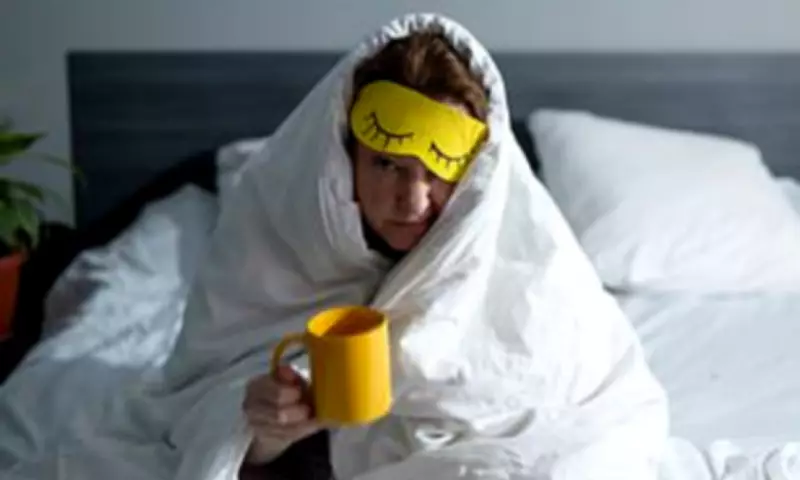
Individuals who stay up later at night may be more likely to display traits associated with bipolar disorder, according to a new study. Researchers discovered that people with an evening chronotype, commonly known as night owls, struggle more with managing their emotions and show increased bipolar-like behaviours.
Chronotype and Emotional Regulation
The study surveyed 2,031 adults in Italy, revealing that 22.8 per cent identified as night owls, 22.2 per cent as early birds, and 55 per cent had no preference. Night owls reported significantly higher levels of depression, anxiety, irritability, and unpredictable moods. They also demonstrated greater emotional dysregulation, which refers to the ability to handle emotional intensity, compared to early birds and those without a preferred sleep time.
Lead author G. Pontoni stated: 'Our findings strongly support a link between the evening chronotype and affective temperaments associated with bipolar vulnerability. Individuals with later sleep-wake rhythms are more likely to experience emotional dysregulation and subthreshold bipolar features, even in the general population.'

Additional Factors and Expert Insights
The research also indicated that night owls scored higher on questionnaires linked to bipolar-like symptoms, showing more signs of the disorder than other groups. Smoking was associated with higher bipolar-like traits, while good sleep quality appeared to act as a protective factor, correlating with lower levels of these tendencies.
Professor Andrea Fiorillo, President of the European Psychiatric Association, commented: 'These results underline the relevance of chronotype when assessing mood symptoms and emotion regulation difficulties. Considering sleep–wake preferences alongside standard clinical evaluation may help clinicians better characterise risk and tailor follow-up where appropriate.'
Lifestyle Differences and Cognitive Aspects
Night owls often rely on multiple alarms to wake up in the morning, whereas early risers may spring out of bed without assistance. Many early birds engage in morning activities like gym workouts, feeling more productive as the sun rises. In contrast, night owls tend to consume coffee at night or start tasks late in the evening when others are winding down.
A 2024 study from Imperial College London suggested that night owls display 'superior cognitive function'. Well-known night owls include figures such as Winston Churchill, Barack Obama, and Robbie Williams.
Understanding Bipolar Disorder
Bipolar disorder is a brain condition characterised by unusual and sudden changes in mood and energy levels. Symptoms range from manic episodes of extreme elation and energy to depressive episodes of somberness and low energy. According to the International Bipolar Foundation, rapid cycling involves four or more episodes within a year, affecting 10 to 20 per cent of those with the disorder.
The cause remains unknown, though genetics may play a role, with family history increasing risk. Approximately 5.7 million US adults aged 18 or older are affected.