Rejection Sensitivity Disorder: The Hidden Struggle for ADHD and Autism
For many, the word "no" is a simple part of daily communication, but for individuals living with ADHD or autism, it can trigger intense fear, paralysis, or even physical pain. This phenomenon, known as rejection sensitivity disorder (RSD), is not officially recognised as a medical condition or diagnostic criteria for neurodivergent disorders, yet it is widely reported among those with attention deficit hyperactivity disorder (ADHD) and autism spectrum disorder (ASD).
Understanding Rejection Sensitivity Disorder
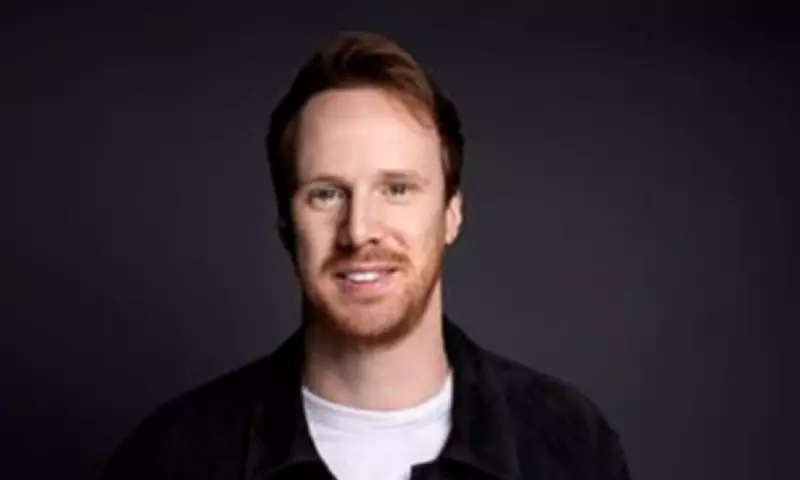
RSD manifests as an extreme fear of rejection, leading sufferers to avoid social interactions, decline opportunities, or remain in unhealthy relationships for fear of abandonment. It can result in ending friendships over perceived slights, shying away from new career paths due to fear of failure, and overall limiting life experiences. Alex Partridge, author of the new book Why Does Everybody Hate Me?, is intimately familiar with this struggle, despite his outward appearance of confidence.
Partridge, 37, founded social media giants UNILAD and LADbible as a university student and now hosts the popular mental health podcast ADHD Chatter, listened to by millions globally. However, he reveals that RSD nearly cost him his life, leading to hospitalisations from excessive drinking, all stemming from an inability to set boundaries and say "no." Like many, particularly women, he was diagnosed with ADHD as an adult at age 34.

The Roots of RSD in Neurodivergent Individuals
American psychiatrist William Dodson theorises that children with ADHD receive up to 20,000 more negative or corrective messages than their neurotypical peers by age 12, creating fertile ground for RSD to develop. Partridge explains, "Some of the negative comments ADHD children hear are 'Why are you so emotional? You're too dramatic. Stop fidgeting. You're too sensitive. Calm down. Be normal. Why are you so weird, why are you too much?'" This bombardment conditions the nervous system to anticipate criticism, leading to dysphoria—where minor issues are magnified into significant rejections.
This fear can stifle potential, causing individuals to avoid trying new things, such as starting a business or pursuing promotions, and to stay in unhappy relationships. Partridge notes, "RSD will suck the potential out of people, because over the years, you've learned that it feels safer not to try." It's not just about hiding; RSD can also trigger explosive reactions, where logical thinking shuts down, damaging friendships, jobs, and relationships.
Coping Strategies and Public Awareness
In his book, Partridge shares coping mechanisms for managing RSD, though he admits that during triggers, these strategies can be forgotten. His key advice is to recognise that intense feelings are responses to past criticisms, not the current situation. "Remind yourself 'this is me responding to 20,000 horrible comments that weren't my fault, and therefore, the big feelings I'm feeling today are also not my fault'," he says, emphasising self-compassion to reduce internal shame.
Public figures like Paris Hilton have also spoken about similar fears, highlighting RSD's broader impact. For those wondering if they might have RSD, consider these questions:
- Are your responses disproportionate to events?
- Do you make decisions to please others at your own expense?
- Do you overanalyse text messages for hidden meanings?
- Do you experience extreme emotional or physical pain from perceived rejection?
- Do you overwork to avoid criticism?
- Have you been told you hold impossibly high standards?
- Have you ended relationships preemptively due to fear of abandonment?
If you answered mostly yes, you might be experiencing RSD. Understanding and addressing this condition can lead to better mental health and a more fulfilling life for neurodivergent individuals.