The Complex Burden of Caring for Abusive Parents: A Cycle of Trauma and Duty
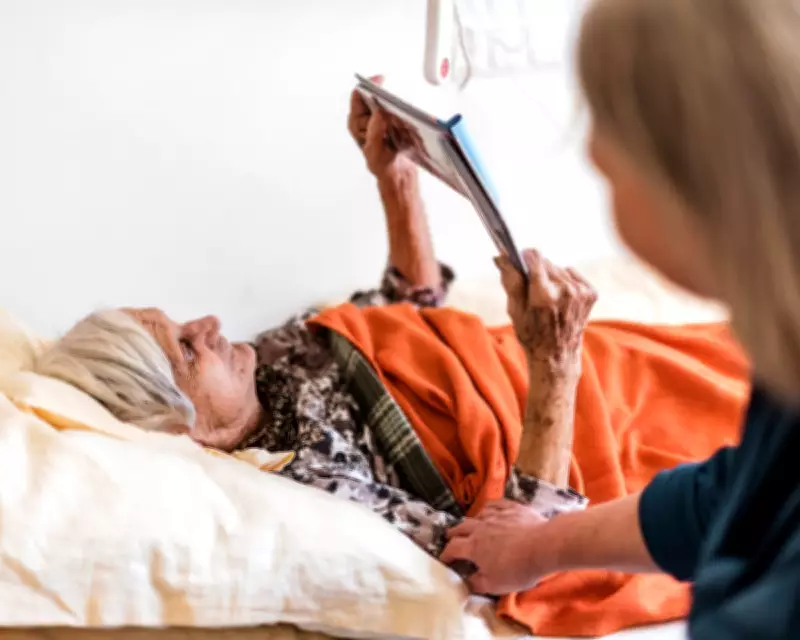
According to recent research, individuals with a history of parental abuse or neglect exhibit significantly more frequent depressive symptoms when providing care to their ageing parents. This finding underscores the profound emotional and psychological challenges faced by adult children in such caregiving roles, often compounded by unresolved trauma and strained family dynamics.
Personal Stories of Struggle and Sacrifice
Kathy, a small business consultant from Sydney, spent five years as the primary carer for her widowed mother, who was diagnosed with cancer in 2016. Despite clocking thousands of kilometres and managing her mother's finances and home, Kathy's relationship with her mother was far from loving. "It was always unstable ground, it was always criticism and undermining," she recalls, describing her mother's cruel tongue and extended silences. Kathy's kindness drove her actions, viewing care as a moral duty rather than a burden, but the experience left her exhausted. "It's not that I enjoyed doing it; it was something I thought was the right thing to do," she reflects.
Similarly, Helen, an obstetrician, only recently recognised elements of abuse in her upbringing, where her older brother bullied her relentlessly while her parents offered little support. Now living near her ageing parents, she helps with house maintenance and medical appointments, despite her father's increasing aggression and signs of dementia. "I can't leave them, I love them, they did the best they could ... but it's complicated, they really did some fucking damage," Helen admits, grappling with guilt and obligation.

Expert Insights on Caregiving Dynamics
Emma Kirby, a professor of sociology at UNSW Sydney, explains that caring for ageing parents is inherently difficult, but relationship complications exacerbate the strain. "We carry this assumption that caring for your parents is the most normal, safe dynamic, but this paints over instances of often decades-long abuse," she says. Kirby notes that cognitive impairments in elderly parents can reignite abusive behaviours, forcing carers to relive old traumas while managing current responsibilities.
Gery Karantzas, a psychology professor at Deakin University, highlights the role of filial obligation in driving caregiving, often burdening eldest daughters. "[A carer] can feel that they engage in more self-sacrifice, they can experience their own mental health difficulties around that," he observes. This sense of duty, combined with societal expectations, can funnel individuals into caregiving roles despite personal costs.
The Impact on Mental Health and Well-being
Hannah, a school administrator in regional Queensland, cared for her father after a severe stroke in 2021, quitting her job to move back home. She describes a childhood marked by her father's hypercritical and unpredictable behaviour, which worsened over time. "I definitely went down mentally and I'm on antidepressants now," she shares, reflecting on the emotional toll. Research from 2015 supports this, showing caregivers with histories of parental abuse or neglect report more depressive symptoms compared to those without such backgrounds.
Kathy, Helen, and Hannah have all sought psychological support to process their experiences. Hannah adds, "I've had to process a lot of resentment towards my brother ... I really felt like I was in it on my own a lot of the time." The financial, career, and relationship impacts are significant, with many carers sacrificing personal milestones for parental care.
Finding Resolution and Moving Forward
Despite the hardships, some carers find solace in values-based approaches. Kathy explains, "Caring for her was more about my own sense of self and my own value system." After her mother's death, she felt an immense sense of relief. "I was driving out of the town and I have never ever felt such an enormous sense of lightness ... I'm totally free," she says.

Kirby emphasises that carers often face complicated emotions, including guilt and shame, when acknowledging their reluctance to care. "They will feel that that says something about them as a person, regardless of how their parents may have treated them," she notes. This internal conflict can strain sibling relationships and lead to tensions over caregiving responsibilities.
In summary, caring for ageing parents with a history of abuse or neglect presents unique challenges, blending duty with trauma. As research and personal accounts reveal, the mental health impacts are profound, necessitating greater awareness and support for those in such caregiving roles.