Christine McCartney: A Pioneering Force in Medical Microbiology
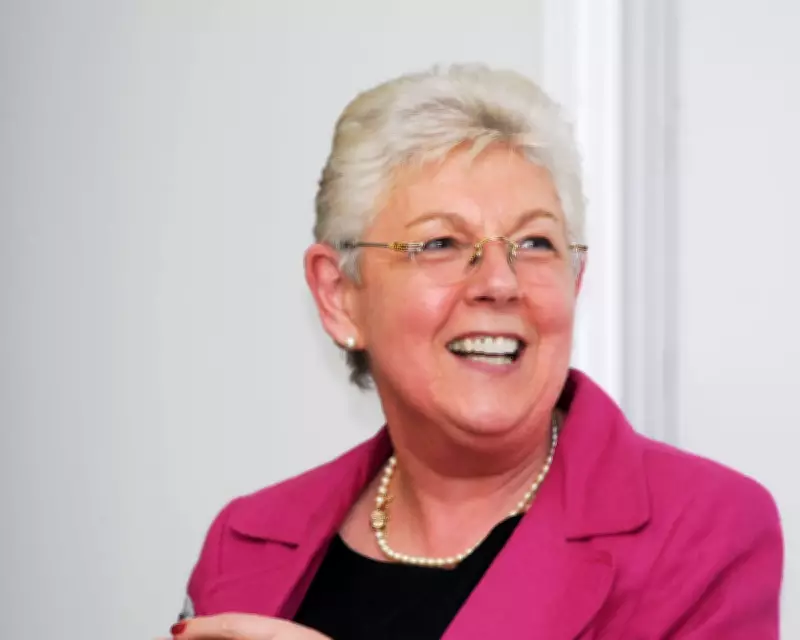
Christine McCartney, a distinguished medical microbiologist and tireless champion of public health, has died at the age of 79. Known for her warmth, thoughtfulness, and impeccable style, she leaves behind a legacy of scientific innovation and leadership in the field of microbiology.
Early Life and Academic Journey
Born and raised in Glasgow, Christine was the elder daughter of Margaret (nee Keiller) and Donald McNiven, a publican. Despite her parents' non-academic background, she was determined to pursue higher education. After attending Victoria Drive secondary school, she graduated from the University of Glasgow in 1967 with a degree in microbiology. She remained at the university as a research assistant and later a lecturer, where she met Bill McCartney, a fellow lecturer, whom she married in 1974.
Professional Achievements and Contributions
Christine's career was marked by significant contributions to medical science. For her PhD, she investigated the properties of staphylococcal delta-toxin and published numerous scientific papers. In 1978, she was elected a fellow of the Royal College of Pathologists and later co-authored the textbook Notes on Medical Microbiology in 2002.

In 1994, she took up a post as assistant director at the Central Public Health Laboratory in Colindale, north-west London, under the Public Health Laboratory Service. Following the incorporation of the PHLS into the Health Protection Agency in 2003, Christine became executive director of the Regional Microbiology Network. In this role, she played a central part in strengthening links between laboratory microbiology and epidemiology, advocating for the early adoption of whole-genome sequencing and collaborating with institutions like the universities of Oxford, Cambridge, Leeds, Birmingham, and the Wellcome Sanger Institute.
Leadership in Public Health Crises
Christine's leadership was particularly evident during the 2006 poisoning of Alexander Litvinenko with polonium-210. As part of the expert advisory pool supporting the government crisis response committee (Cobra), she interpreted technical findings and advised on public health risks. Her efforts were recognized in 2007 when she was made an OBE.
Retirement and Continued Influence
Although she formally retired from the HPA in 2012, Christine's expertise remained in high demand. She returned as a senior adviser to Duncan Selbie, then chief executive of Public Health England, and later served as PHE's professional lead for scientists. Diagnosed with cancer in 2020, she continued to work into 2021 until the Covid-19 pandemic hindered her ambassadorial roles.
Personal Life and Legacy
Christine was an inspirational leader who combined a common-sense approach with a determination to find solutions. She believed professionalism should be reflected in appearance as well as work, often offering advice beyond science. Living in Gerrards Cross, Buckinghamshire, she and Bill shared a fondness for luxury cars, lavish holidays, and fine dining. She is survived by her husband, Bill.
Her legacy as a warm, thoughtful, and fun-loving individual, coupled with her groundbreaking work in public health microbiology, will be remembered by colleagues and friends alike.