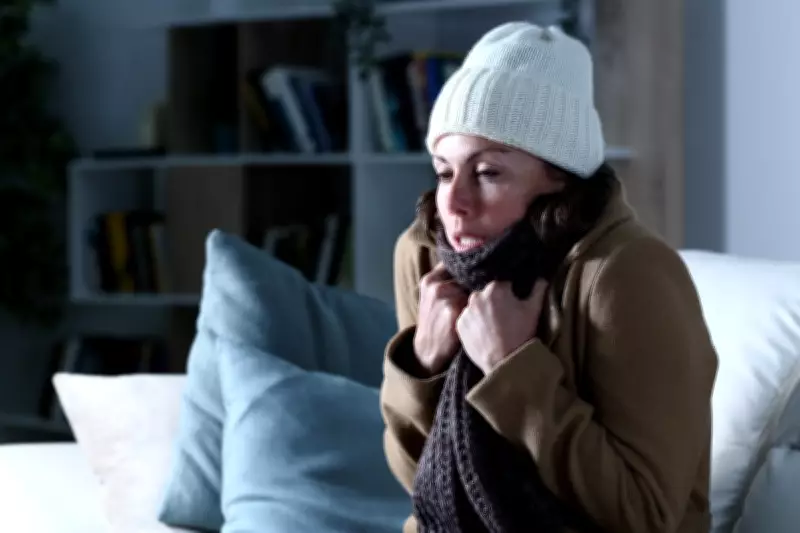
Cold, Damp Housing Linked to 40,000 NHS Admissions as Cost of Living Crisis Deepens
Cold, damp, or mouldy homes have been identified as a major factor behind tens of thousands of hospital admissions in the UK, according to new data released as the nation grapples with a fresh cost of living crisis. Poor housing conditions were recorded as contributing factors to serious respiratory and cardiovascular illnesses in almost 40,000 NHS hospital admissions in 2024, highlighting a growing public health emergency.
Energy Price Surge Exacerbates Housing Health Risks
The findings emerge amid soaring fuel prices driven by the ongoing Middle East crisis. Following US-Israeli attacks on Iran last month, oil and gas prices have surged as Iran disrupts key shipping routes through the Strait of Hormuz, with commercial vessels facing attacks in the region. This is expected to push UK energy costs higher in the next price cap announcement, compounding hardships for households already impacted by the Covid-19 pandemic and Russia's invasion of Ukraine.
Campaigners warn that this oil and gas crisis is particularly alarming given the established link between poor housing conditions and serious illness, especially for vulnerable populations. Respiratory and cardiovascular conditions are on the rise, with the UK Health Security Agency's first Cold Mortality Monitoring Report estimating 2,544 cold-related deaths during winter 2024/25.

Growing Health Impacts and Regional Disparities
Analysis by Asthma + Lung UK last month revealed a 25 per cent increase in emergency pneumonia admissions between 2022/23 and 2024/25, reaching 579,475 cases, with cold, damp, and mouldy homes identified as a leading cause. A survey by Health Equals last year found that 28 per cent of UK adults now report living in homes affected by damp, mould, or cold, indicating the underlying problem is worsening.
Health Equals emphasised that long-term exposure to damp, cold, and mould can:
- Cause or exacerbate existing conditions like asthma
- Lead to respiratory symptoms such as coughing and wheezing
- Trigger cardiovascular issues like heart palpitations
- Contribute to mental health conditions like stress, anxiety, and depression
In the most severe cases, poor housing can be fatal, as tragically demonstrated by the death of two-year-old Awaab Ishak in 2020 after prolonged mould exposure in his social housing association home.
The new data, obtained by home improvement specialist Purebuilt through a Freedom of Information request, underscores the escalating health dangers posed by substandard housing. It reveals that London, the UK's most populous city, recorded the highest number of NHS hospital admissions due to these conditions, with 8,335 cases in 2024, followed by Greater Manchester. Working-age adults accounted for over four-fifths of all admissions.
Calls for Government Action and Support
Simon Francis, coordinator of the End Fuel Poverty Coalition, stated: "The link between cold, damp homes and serious illness is already clear, and that makes the current oil and gas price crisis even more worrying. As fossil fuel markets become more volatile again, there is a real danger that more households will be pushed into cutting back on heating or living in unhealthy conditions they cannot afford to escape."
Francis urged the government to prioritise support for households in the coldest, dampest homes, implement wider emergency energy measures if the crisis deepens, provide targeted financial assistance, accelerate energy efficiency improvements, and develop a strategy to shield consumers from global oil and gas price hikes that could increase illness and NHS pressure.
The warnings come as the government's main home energy support scheme, ECO4, is confirmed to end in December 2026, with no successor obligation yet in place, while the £15 billion Warm Homes Plan replacement still requires finalisation of key eligibility details.

Michael Davie, home improvement specialist at Purebuilt, commented: "The NHS is picking up the cost of a problem that could be prevented through proper investment in insulation, heating upgrades, and fair access to retrofit support. With ECO4 ending and the Warm Homes Plan still taking shape, households urgently need clarity on replacement support. Without accessible, fully funded programmes, health inequalities will deepen, and next winter will be no different."
The Independent has approached the UK government for comment on these pressing issues.