Covid Inquiry Delivers Damning Verdict on Government's Pandemic Messaging
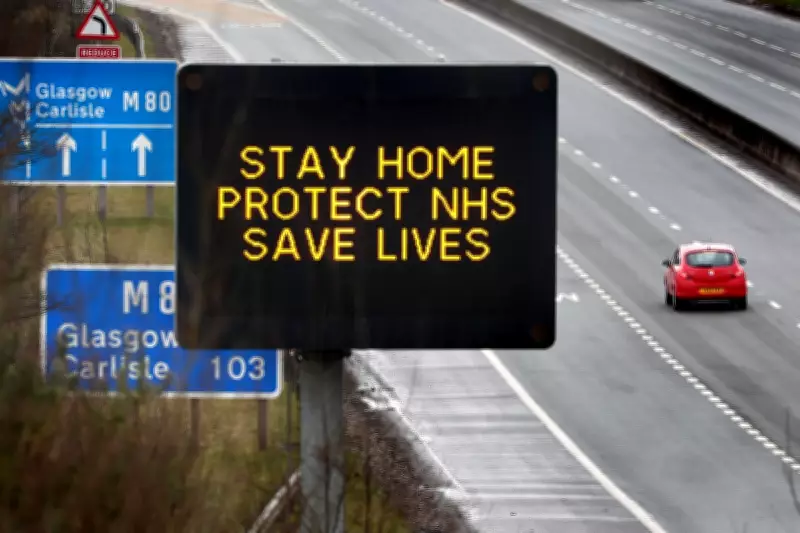
The UK Covid-19 Public Inquiry has concluded that the government's "Stay Home, Protect the NHS, Save Lives" messaging campaign may have inadvertently cost thousands of lives by deterring people from accessing vital healthcare during the pandemic. The inquiry's latest report presents a stark assessment of how public health communications created unintended deadly consequences.
Messaging Created Perception That Healthcare Was Closed
According to the 387-page report, the "Stay Home" message, developed by Cabinet Office officials without proper consultation with health leaders, "sent the message that healthcare was closed" to the British public. This communication strategy, relentlessly promoted by ministers, led to dangerous avoidance of medical care even in life-threatening emergencies.
The inquiry found that some people steered clear of Accident and Emergency departments during heart attacks and other critical medical events, while others avoided seeking help for serious conditions to avoid burdening the NHS or due to fears of catching the virus in healthcare settings.

Delays Rendered Conditions Untreatable
The report details how pandemic-related delays in diagnosis and treatment had devastating consequences. "It is clear that, during the pandemic, worsening delays in diagnosis and treatment led to increased ill-health and suffering and, in some cases, cost lives," the inquiry states.
Some patients waited so long for medical intervention that they became unsuitable for surgery, resulting in permanent loss of mobility. The report specifically highlights how pausing cancer screening programmes in Scotland, Wales and Northern Ireland led to a "steep drop in diagnosis" in 2020, with missed and late diagnoses coupled with longer treatment waits.
NHS Survived Pandemic 'But Only Just'
Inquiry chairwoman Baroness Heather Hallett delivered a sobering assessment of the NHS's pandemic performance, stating: "I can summarise that impact as: we coped, but only just. The healthcare systems came close to collapse."
She rejected claims by ministers including former health secretary Matt Hancock that the health service was not overwhelmed, calling this debate "semantics" and asserting: "There was clearly overwhelm. Healthcare systems were placed under intolerable strain."
The report notes that the UK entered the crisis "ill-prepared," with the NHS in a "parlous state" characterized by severe workforce shortages, low hospital bed numbers, and high bed occupancy rates.
Additional Damning Findings
The inquiry's comprehensive report includes several other critical findings:
- Thousands of patients died alone in hospitals, with grieving families deprived of final goodbyes
- Many Covid-19 patients "did not get the quality of treatment they needed"
- Initial infection prevention guidance was "flawed" by failing to properly consider aerosol transmission
- Communications with shielding individuals were "not always appropriately handled"
- Better planning is needed for end-of-life care, with reports of inappropriate blanket DNACPR orders
Workforce Warning for Future Pandemics
Baroness Hallett issued a stark warning about future pandemic preparedness, stating that the government may not have a healthcare workforce "able or willing" to work under similar conditions again. She highlighted the severe impact on healthcare staff, some of whom now suffer from PTSD after working under "intolerable pressure for months on end."
The report makes ten specific recommendations to prevent healthcare systems being overwhelmed in future pandemics, including increasing urgent care capacity, strengthening infection prevention guidance bodies, and improving advance care planning.
Inquiry Costs and Previous Findings
The Covid-19 Public Inquiry, formally launched in July 2022, had spent just under £204 million by the end of December, while the government reported spending £111 million responding to the inquiry. A previous report published in November found that chaos at the heart of government and failure to take Covid-19 seriously cost 23,000 lives during the pandemic's first wave.

Baroness Hallett concluded with an urgent plea: "I urge the governments of the UK to implement my recommendations and to do so as a matter of urgency. When the next pandemic strikes, there may not be a workforce in the healthcare systems able or willing to work under the conditions that arose during the Covid-19 pandemic."