The Evolution of CPAP Machines in Treating Snoring Disorders
Sleep medicine physician Dr Linda Schachter emphasises that if snoring disrupts a partner's sleep, it is a condition worth addressing medically. This perspective highlights a growing shift in how healthcare professionals view common sleep disturbances.
From Social Nuisance to Medical Diagnosis
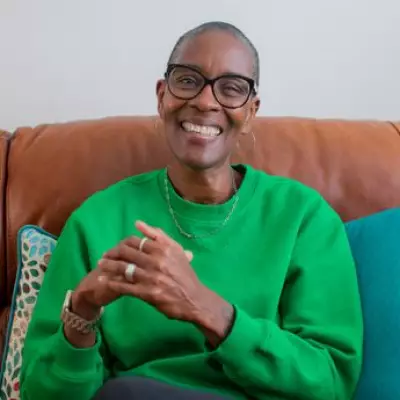
Nick, who requested only his first name be used, experienced severe snoring since his teenage years, often using humour to cope with its social implications. In 2019, at age 37, a doctor's visit revealed alarmingly high blood pressure despite his active lifestyle and healthy diet. This prompted him to connect other symptoms, such as uncontrollable daytime tiredness leading to micro-sleeps in meetings and on public transport.
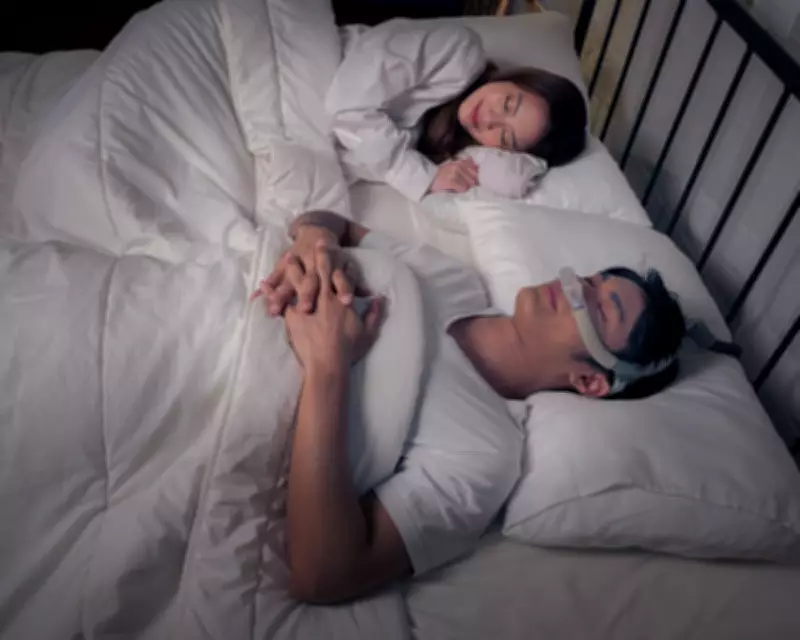
During a sleep test, Nick encountered a CPAP machine—standing for continuous positive airway pressure—which uses mild pressure to keep breathing airways open during sleep. Initially, the attendant explained the device was only for observational purposes, but within an hour, it was activated due to the severity of his symptoms detected from a distance.

Nick was diagnosed with severe obstructive sleep apnoea, a condition where throat muscles relax excessively during sleep, causing breathing to stop or become shallow. He describes his first four hours of uninterrupted sleep using the CPAP as "completely revelatory," noting unprecedented energy and clarity upon waking.
The Continuum from Snoring to Sleep Apnoea
Dr Linda Schachter explains that snoring represents partial upper airway obstruction, which can worsen into sleep apnoea. Historically, humans have sought remedies for snoring, from ancient Egyptian papyri recommending thyme to American soldiers during the War of Independence having cannonballs sewn into their uniforms to prevent back-sleeping.
Professor Peter Cistulli of the University of Sydney notes that medical interest in sleep disorders is relatively new. Early in his career, sleep apnoea was considered rare, with tracheostomy as the only treatment. Today, less-invasive options and improved sleep measurement technologies have driven demand for sleep services.
The Rise of CPAP Machines and Consumer Awareness
Originally invented by Prof Colin Sullivan and commercialised by ResMed, CPAP machines were initially for severe cases only. However, Dr Schachter reports a rise in prescribing for milder sleep apnoea as recognition of the condition and its symptoms increases.
Celebrity endorsements from figures like Amy Poehler and Jack Black have popularised CPAPs, with some Reddit users crediting them with saving marriages. Dr Donald Lee of the Woolcock Institute of Medical Research cautions against third-party retailers marketing CPAPs as consumer technology, warning of risks like orthosomnia—an obsession with perfect sleep driven by wearables.
Health Risks and Treatment Options
While CPAP therapy is generally safe when properly set up, incorrect pressure settings can cause issues like air swallowing or sleep disturbance. Dr Lee compares CPAPs to a "vacuum cleaner turned the other way," noting they can be uncomfortable but effective if they improve wellbeing.
Professor Cistulli observes that sleep apnoea is no longer limited to overweight middle-aged men; it now affects younger individuals and women, who may be under-treated despite significant symptoms. Dr Schachter adds that even without full sleep apnoea, conditions like upper airways resistance syndrome can cause sleep disturbances.
Snoring itself carries health risks, with studies linking it to stroke, though Dr Lee calls for more data. Relationship impacts are also critical, as partner sleep disruption warrants treatment. Alternatives to CPAPs include mouth splints, nasal dilators, and weight-loss drugs, often as first-line treatments for mild to moderate cases.
Personal Impact and Future Outlook
Nick compares using a CPAP to getting glasses after gradual vision loss, stating it's "not that big of a deal" and emphasising that "self-care is sexy." As sleep medicine continues to evolve, experts urge those troubled by snoring or sleep issues to consult doctors for personalised care.