Dentists Reveal How Your Mouth Signals Serious Health Conditions
For many Americans, oral health remains a neglected priority, often treated as an afterthought in their overall wellness routines. A comprehensive 2025 study conducted by Tufts University has revealed a startling statistic: approximately one in three Americans have skipped their regular dental cleaning within the past year. This figure is twice the number of individuals who have neglected to undergo an annual physical examination, highlighting a significant gap in preventive healthcare practices.
However, dental experts are sounding the alarm, emphasizing that the mouth serves as a critical early warning system for systemic diseases. Research indicates that an estimated 90 percent of chronic conditions, including diabetes, heart disease, and various vitamin deficiencies, manifest initial symptoms within the oral cavity. Dentists consulting with the Daily Mail have even suggested that these oral signs can appear months or years before other symptoms become evident elsewhere in the body.
The Mouth as a Breeding Ground for Disease
The oral environment is a prime breeding ground for harmful bacteria, particularly when regular dental cleanings are neglected. This makes it possible for health issues to originate in the mouth and subsequently spread to other parts of the body. Chronic disease red flags often present as bleeding or puffy gums, sensitive or yellowed teeth, persistently foul-smelling breath, or a discolored tongue. In more severe cases, persistent sores or unexplained pain in the mouth could indicate life-threatening conditions such as mouth and throat cancer.

Below, leading dentists have detailed everything your teeth, gums, breath, and tongue could potentially signal about your overall systemic health, providing a diagnostic guide that underscores the mouth-body connection.
Teeth: Diagnostic Records of Health
Dr. Kami Hoss, a prominent dentist and the CEO and founder of SuperMouth, explained to the Daily Mail: "Your teeth are a diagnostic record. Every surface tells a story about your sleep, your diet, and your systemic health, often before any other clinician has noticed a problem." Worn or flattened teeth, he notes, are classic indicators of bruxism, which involves involuntary clenching or grinding of the teeth.
"Bruxism almost never exists in isolation," Dr. Hoss stated. Stress is a common underlying cause, as the body's heightened 'fight-or-flight' response can lead to tightened jaw muscles, even during sleep. Additionally, obstructive sleep apnea has been strongly linked to teeth grinding. This condition causes the throat to relax excessively during sleep, leading to airway collapse and disrupted breathing. Experts believe that teeth grinding may occur as the body subconsciously attempts to reopen the blocked airway.
"In patients with both conditions, treating the sleep apnea can eliminate the grinding entirely," Dr. Hoss added. The use of a continuous positive airway pressure (CPAP) machine during sleep can help maintain an open airway and effectively treat sleep apnea.
Conversely, teeth that have lost their protective enamel could point toward digestive conditions such as acid reflux, as stomach acid is highly corrosive to enamel. Yellowed or sensitive teeth often indicate enamel loss, which is irreversible and cannot regenerate. "Eating disorders like bulimia produce a similar but distinct pattern, and they are often discovered in the dental chair first as well," Dr. Hoss remarked.
Gums: Indicators of Systemic Inflammation
Dr. Michael J. Wei, a cosmetic dentist based in New York City, told the Daily Mail that swollen, bleeding, or discolored gums typically signal a lack of proper flossing and the presence of gum disease. However, he also cautioned: "They can also be associated with systemic conditions like diabetes or cardiovascular disease because inflammation in the body often presents in the gums first."

Consistently high blood sugar levels in diabetes weaken white blood cells, impairing their ability to combat bacteria in the mouth. If left untreated, this can accelerate the progression of gum disease. Diabetics also have elevated sugar levels in their saliva, which feeds harmful bacteria and can cause gums to become red or swollen. Furthermore, diabetes slows tissue repair, meaning that irritated gums take longer to heal.
"Treating your gums can improve your diabetes management. These are not separate conditions. They share the same inflammatory platform," Dr. Hoss emphasized.
Dr. Wei also advised vigilance regarding pale gums. "Pale gums can indicate anemia because reduced red blood cell levels lead to decreased blood flow and a loss of the healthy pink color, so people should watch for consistently light-colored gum tissue," he explained. Dr. Hoss noted that oral signs of anemia frequently appear before a formal diagnosis is made. "I have referred patients for bloodwork based entirely on what I saw in a routine exam," he added.
In more serious cases, bright red and inflamed gums can be a sign of leukemia, as they may indicate clotting issues or low platelet levels, which are essential for forming clots and repairing damaged blood vessels. "The gums reflect the blood, literally," Dr. Hoss stated.
Breath: Metabolic and Organ Function Clues
While occasional bad breath is normal, certain persistent odors can be indicative of chronic health conditions. "Distinct breath odors can reflect how the body is functioning metabolically, with certain smells emerging when the body isn’t properly processing sugars, proteins, or toxins," Dr. Wei said.
Fruity breath is a telltale sign of high ketone levels in the blood. Ketones are compounds produced by the liver from fat when glucose (blood sugar) is scarce. This occurs when the body cannot produce enough insulin, leading to a life-threatening complication of diabetes known as diabetic ketoacidosis (DKA). DKA causes extremely low blood sugar and potassium levels, which can trigger cardiac arrest, brain swelling, and death. In DKA, a person's breath typically smells unusually sweet, fruity, or similar to nail polish remover. Other symptoms include abdominal pain, confusion, dry mouth, difficulty breathing, excessive thirst, frequent urination, and persistent fatigue and weakness.
Conversely, a musty or fishy odor could signal liver issues. Dubbed fetor hepaticus, which translates to 'fetid liver' or 'liver stench,' this type of breath is a sign of liver impairment. "The Romans called musty, sulfurous liver-related breath the 'breath of the dead,' because fetor hepaticus indicates the liver is failing to filter toxins from the blood," Dr. Hoss told the Daily Mail. According to the Mayo Clinic, it may smell similar to rotten eggs and garlic, freshly mowed hay, or scorched fruit.
Tongue: Overlooked Diagnostic Tool
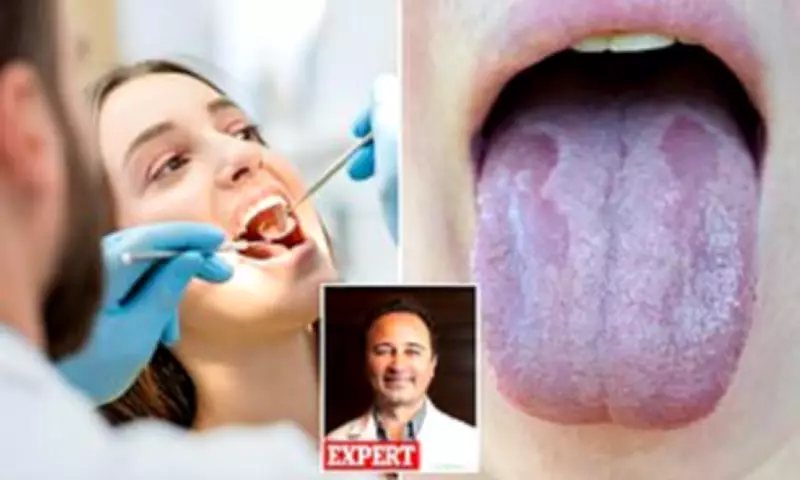
The tongue is an often overlooked structure that can signal infections, autoimmune conditions, and nutritional deficiencies. "A healthy tongue is uniformly pink, moist, and lightly textured. Anything that departs from that is worth understanding," Dr. Hoss said. Dr. Wei warns that "a coated or discolored tongue often means there is a bacterial or fungal overgrowth."
Bacteria have been shown to accumulate and feed on debris trapped within the tongue's tiny bumps, known as papillae. Not brushing the teeth daily allows these bacteria to persist until they become visible as a white or colored coating. Papillae can also become inflamed or swollen, causing the tongue to appear larger.
A smooth or bright red tongue, meanwhile, could indicate the loss of papillae, which occurs in vitamin B12 deficiency. "A bright red, smooth tongue almost always signals B12 or folate deficiency, as the papillae deteriorate without adequate B vitamins," Dr. Hoss explained.
Ulcers, Dr. Wei notes, are generally harmless, but if they appear frequently, they could be a sign of infection-induced inflammation or a reaction to acidic or spicy foods. "Frequent sores or ulcers may go beyond simple irritation and need evaluation to rule out infection or more serious conditions," he said.
Dr. Hoss also issued a stern warning regarding painless ulcers: "Painless ulcers must be biopsied," as these can signal oral cancer, which strikes 60,000 Americans and kills 13,000 each year. "Painlessness is not reassurance. In oral cancer, it is often the opposite," he concluded, urging the public to prioritize regular dental check-ups as a crucial component of preventive healthcare.