The Final Choice of a Dutch Teen Rape Victim
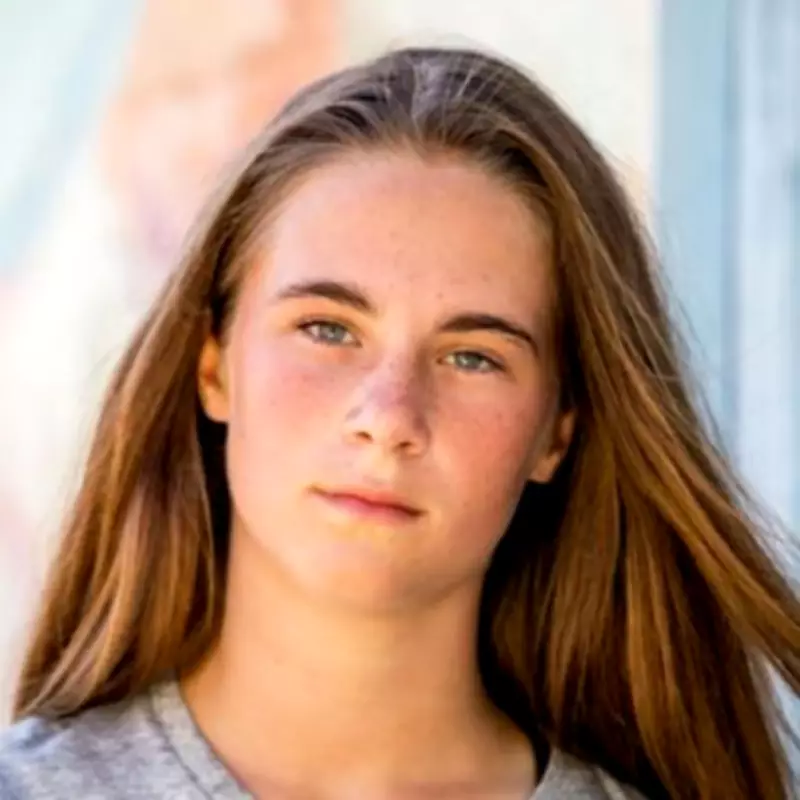
Milou Verhoof, a 17-year-old from the Netherlands, died by voluntary euthanasia on October 2, 2023, in her childhood bedroom. She had endured severe psychological trauma after being raped at the age of 13, leading her to request assisted dying on psychiatric grounds. Her case has ignited intense political and ethical debates, with campaign groups using it to challenge euthanasia provisions for young people.
A Personalised Farewell
On the day of her death, Milou prepared meticulously for her final moments. She had her nails done, selected an evening dress and high heels to wear in her coffin, and received a fatal injection from Dr Menno Oosterhoff, a physician experienced in such procedures. The choice to die in her bedroom added a deeply personal touch to her farewell, reflecting her desire for comfort and familiarity.
Her mother, Mireille Verhoof, expressed support for the decision, stating in an email to The Atlantic that Dr Oosterhoff's careful approach reassured the family. She emphasised that Milou's suffering was unbearable, with no prospect of improvement, making euthanasia the only viable option. This perspective underscores the complex emotional landscape faced by families in such situations.

Documentary and Political Fallout
Milou's journey was documented in the film 'Milou's Battle Continues,' which explores her story and the subsequent political controversy. In the Netherlands, euthanasia was legalised in 2002 for patients with "voluntary and well-considered" requests to end "unbearable" suffering when no improvement or reasonable alternatives exist. However, her case has been leveraged by advocacy groups aiming to restrict euthanasia for minors, highlighting the ongoing societal tensions.
Rising Trends in Psychiatric Euthanasia
While most assisted deaths in the Netherlands involve terminal physical illnesses—accounting for about 86% of the 9,958 cases in 2024—there has been a notable increase in euthanasia based solely on psychological suffering. Cases rose from 88 in 2020 to 219 in 2024, with 675 psychiatric-based euthanasia procedures performed in the past five years, exceeding the total from the previous 18 years combined. This trend raises questions about mental health support and ethical boundaries in end-of-life care.
Broader Context and Recent Cases
Milou's story has regained attention following the euthanasia of 25-year-old Noelia Castillo in Spain, another rape victim who faced a legal battle with her father over her decision. These cases illustrate the global complexities of assisted dying, particularly for individuals with trauma-related psychological conditions. They prompt discussions on patient autonomy, family dynamics, and regulatory frameworks across different jurisdictions.
As debates continue, the need for compassionate dialogue and robust mental health resources remains critical. Milou's choice to die in her childhood bedroom serves as a poignant reminder of the personal dimensions behind such profound decisions.