DWP Announces Fast-Track Process for Access to Work Scheme Applications
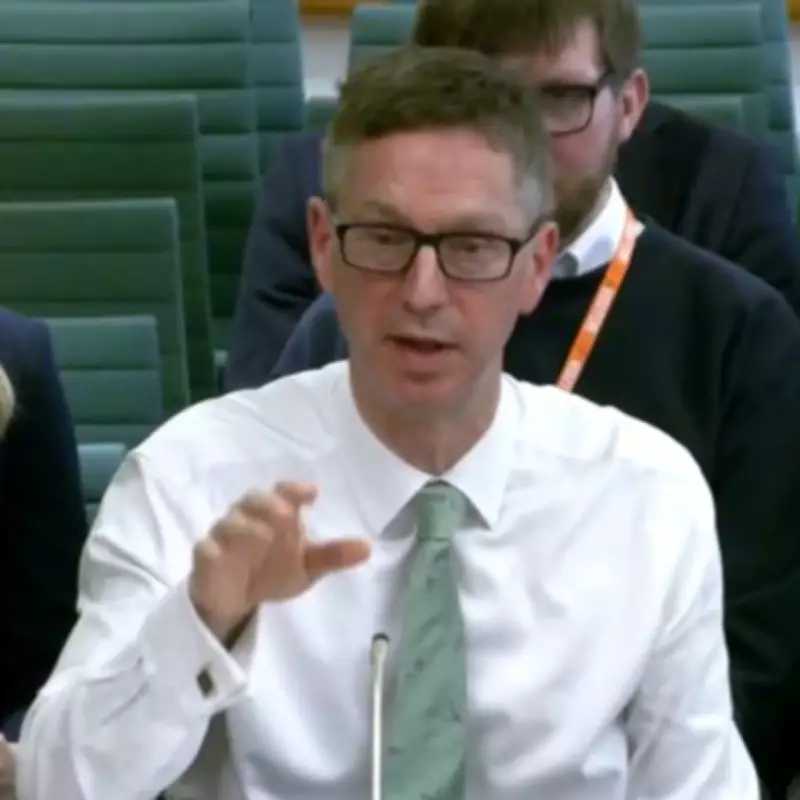
Senior officials from the Department for Work and Pensions have provided a significant update on the Access to Work scheme, a grant programme that can deliver over £4,000 in annual support, with potential for much higher awards. During an appearance before the Public Accounts Committee, DWP permanent secretary Peter Schofield detailed how the department can prioritise certain claims, especially for individuals with imminent job start dates.
Substantial Financial Support Available for Eligible Workers
The Access to Work scheme is designed to provide additional workplace assistance for people with health conditions or disabilities, enabling them to perform their job roles effectively. Through this government initiative, eligible applicants can receive grants of up to £69,260 per year. This funding can cover essential supports such as specialist equipment, adaptations to the work environment, or the cost of a support worker.
On average, grant awards stand at approximately £4,000 annually. For those requiring a support worker, the average grant increases to around £10,500 per year, which equates to nearly £200 per week. The scheme has seen a dramatic increase in both demand and expenditure since the 2018/2019 tax year. In the 2024/2025 period alone, the DWP allocated £321 million to the programme.

Prioritisation and Current Processing Challenges
Despite current processing times extending up to 37 weeks for standard applications, the committee heard that the DWP has mechanisms to fast-track urgent cases. Peter Schofield explicitly stated, "If you have a job that you are ready to start within four weeks, we prioritise it. If there is some other reason why it needs to be prioritised, we prioritise it." Officials confirmed they are actively working to reduce overall processing durations.
Schofield highlighted a notable shift in the nature of applications received. "What we have seen is not only a doubling of claims but a really dramatic change in the nature of the claims coming in and of the health conditions that we are talking about—more mental health conditions and more conditions around neurodiversity," he explained. This evolution necessitates a more individualised assessment process, as there is no standardised approach for determining reasonable adjustments.
Eligibility and Application Information
To qualify for Access to Work funding, individuals must have a physical or mental health condition or disability that necessitates support to perform their job or commute to work. A formal medical diagnosis is not a prerequisite for application. Eligible conditions include, but are not limited to:
- Physical disabilities, such as hearing impairment or mobility issues requiring a wheelchair
- Learning disabilities, including Down's syndrome
- Developmental conditions like autism spectrum disorder
- ADHD or dyslexia
- Medical illnesses such as diabetes or epilepsy
- Temporary conditions, for example a broken leg
- Mental health conditions, including anxiety or depression
Schofield emphasised the complexity involved in assessing these diverse needs, particularly with fluctuating conditions and the changing nature of modern workplaces. "You have to think about each of those conditions individually. They could be fluctuating conditions; they could be conditions that impact in particular circumstances in a different way," he noted. "To get this right—to get the right decisions—is a really complex piece of work, and we have got to get it right." Applications can be submitted through the official Government website.