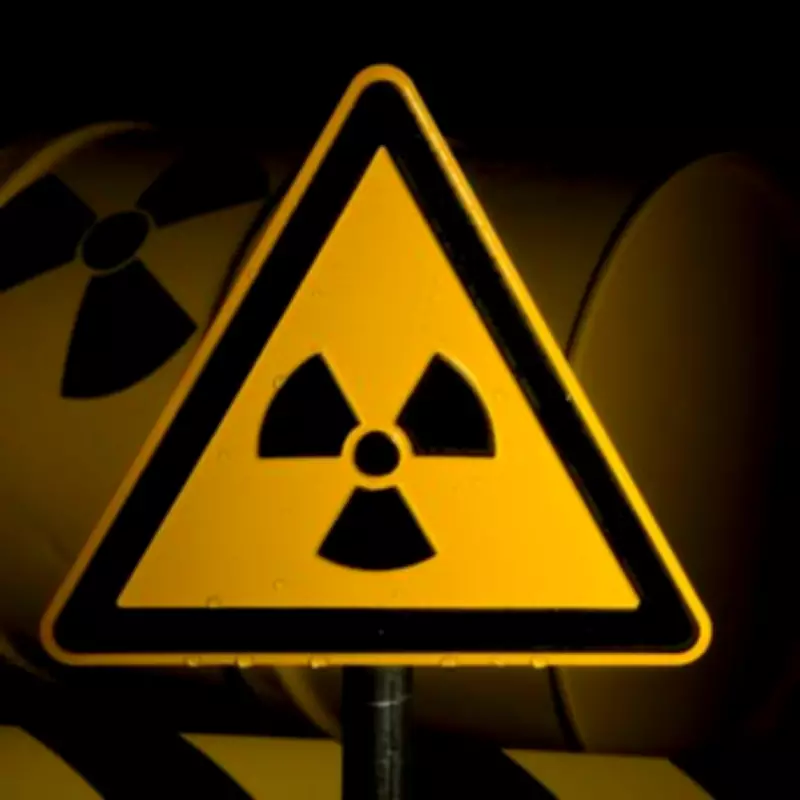
Five Essential Steps to Survive a Nuclear Strike: Official UK Guidance
As global tensions escalate and nuclear threats become a topic of public discussion, many individuals are left wondering what practical actions they should take in the event of a nuclear explosion. The UK government has recently issued official advice to help citizens prepare for such an unlikely but critical scenario. This guidance outlines five simple yet vital steps that everyone should follow to ensure safety during a radiation emergency.
Understanding Radiation Emergencies
Radiation emergencies can vary significantly in scale and impact, ranging from a full-scale nuclear explosion to accidents at nuclear power plants or incidents involving radioactive material shipments. Regardless of the specific event, the disruption to public life in the UK would be profound, though the exact effects depend on the nature and location of the emergency. Importantly, the core protective measures remain consistent across all scenarios, providing a clear framework for survival.
Step One: Get Inside and Stay Inside
The first and most crucial step in the immediate aftermath of a nuclear explosion is to seek shelter indoors and remain there. Putting solid walls between yourself and the outside environment offers essential protection from radiation exposure. Authorities emphasize that staying inside allows you to wait safely for official instructions from emergency responders, which are critical for navigating the situation effectively.

Step Two: Decontaminate Yourself and Pets
Cleaning yourself thoroughly is imperative to remove any radioactive particles from your skin, hair, or clothing. If washing with soap and water is not possible, using wipes or clean wet cloths to wipe exposed areas is a suitable alternative. Notably, hand sanitiser is ineffective against radioactive material, so following Centers for Disease Control and Prevention (CDC) decontamination protocols is advised.
Pets that were outside during the explosion also require attention. Brush their coats to dislodge particles and wash them with soap and water if available, as recommended by the US government's Ready website, to prevent further contamination.
Step Three: Secure Safe Food and Water
Maintaining hydration and nutrition is vital during emergencies. Consume only food and water that was already inside a building at the time of the event. Sealed items from outdoors may be safe if wiped down with a damp cloth, but any towels or cloths used for this purpose should be placed in a sealed bag and kept away from people and pets. Authorities strictly warn against eating food from gardens or other outdoor sources, as these are deemed unsafe due to potential radiation contamination.
Step Four: Monitor Health and Seek Medical Help
Vigilance in monitoring for signs of sickness or injury is essential. If anyone exhibits symptoms of radiation exposure or other health issues, follow official advice on where to seek medical attention. Taking care of yourself and others ensures a better chance of recovery and reduces risks associated with contamination.
Step Five: Prioritise Mental Well-being and Communication
Experiencing a radiation emergency can be highly stressful and traumatic. To safeguard mental health, engage in open conversations with others, share feelings, and avoid isolation. Preparing in advance is also key: establish a communication plan with family and friends, including meeting points and methods for updating loved ones on your safety. Familiarise yourself with evacuation plans at workplaces, schools, or care facilities, and discuss alternative safe locations in case evacuation becomes necessary.
By adhering to these five steps, individuals can significantly enhance their safety and resilience in the face of a nuclear radiation emergency, turning fear into actionable preparedness.