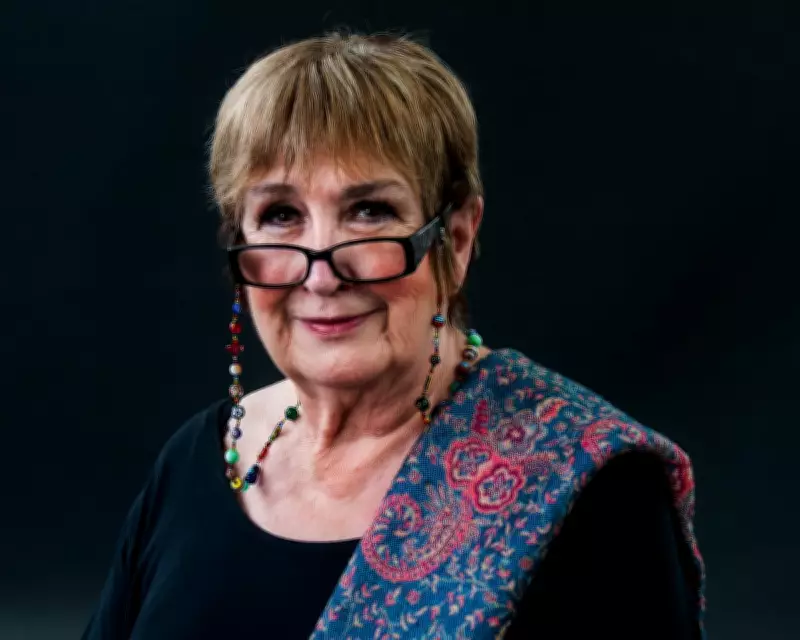
The broadcasting world is in mourning following the death of Jenni Murray, the veteran presenter who hosted BBC Radio 4's Woman's Hour for more than three decades. She passed away at the age of 75, leaving behind a formidable legacy in journalism and radio.
A Pioneering Career in Broadcasting
Jenni Murray joined Woman's Hour in 1987 and presented the programme until 2020, becoming its longest-serving host. Her contribution to broadcasting was recognised with a damehood in 2011. Over her 33-year tenure, she interviewed a wide array of influential women, including former Prime Minister Margaret Thatcher, US presidential candidate Hillary Clinton, author Margaret Atwood, and actress Bette Davis.
Personal Challenges and Professional Triumphs
In 2006, Murray publicly announced on air that she had been diagnosed with breast cancer. She returned to the programme after undergoing surgery and treatment, demonstrating remarkable resilience. Throughout her career, she won two prestigious Sony Awards and was inducted into the Radio Academy Hall of Fame, cementing her status as a broadcasting icon.

Tributes from BBC Colleagues
Tim Davie, the outgoing BBC director general, described Murray as "simply put, a broadcasting icon." He praised her for creating a safe space for listeners through her warmth, intelligence, and courage. "Her legacy endures in the countless conversations she started, the many issues she championed, and the lives she touched," Davie stated.
Mohit Bakaya, controller of BBC Radio 4, echoed these sentiments, calling her a "formidable voice in British broadcasting who was warm, fearless, and beloved by listeners."
Early Career and Rise to Prominence
Murray, who attended grammar school in her hometown of Barnsley, South Yorkshire, joined the BBC at age 23 on her second attempt. Initially aiming for a studio manager role in London, she instead began in a local radio newsroom in Bristol in 1973. She later presented the BBC's South Today programme from 1978 to 1983 and worked on BBC Two's Newsnight and Radio 4's Today before taking over Woman's Hour from Sue MacGregor.
Memorable Interviews and Advocacy
Murray was known for her fearless interviewing style. She challenged Margaret Thatcher on childcare policies, with Thatcher remarking that opposition to her leadership and policies "coalesced together" due to her gender. In a notable exchange, Thatcher told Murray she had no idea what it was like to be a female prime minister because she had never experienced the alternative.
She also asked Hillary Clinton about forgiving her husband Bill for infidelity, showcasing her willingness to tackle sensitive topics. Murray signed off her final programme with Helen Reddy's feminist anthem, "I Am Woman," symbolising her lifelong commitment to women's issues.
Controversies and Later Years
In 2018, Murray withdrew from an Oxford University talk after backlash over her views on transgender people. She also became a campaigner for stricter pornography laws, particularly concerning online accessibility for children. In recent years, she criticised the BBC, claiming in a Daily Mail column that her views on transgender issues led to her departure from Woman's Hour, as she was not allowed to discuss them on air.
Murray advocated for greater gender diversity at the BBC, expressing hope that the next director general would be a woman, noting that all 17 previous holders of the position had been men.
Enduring Impact
Sally Feldman, a former editor and producer of Woman's Hour, highlighted Murray's fearlessness in interviews, stating she "didn't have any fear at all about asking people things, and they always found themselves replying." Her career, marked by groundbreaking conversations and advocacy, has left an indelible mark on British media and beyond.