Meningitis Outbreak in Kent Escalates with 20 Cases and Two Deaths
A severe meningitis outbreak in Canterbury, Kent, has now reached 20 confirmed cases, with two tragic deaths reported. Health experts describe the situation as "explosive" and unprecedented in its rapid spread across the south-east of England.
Outbreak Details and Origin
The UK Health Security Agency (UKHSA) issued a public health alert on 15 March, confirming the outbreak centered in and around Canterbury, a city of approximately 60,000 residents near London. Health officials have identified the strain as meningitis B (MenB), with all initial cases linked to attendance at Club Chemistry, a nightclub in Canterbury, on 5, 6, or 7 March. The club has since closed voluntarily in response to the crisis.
Victims and Impact
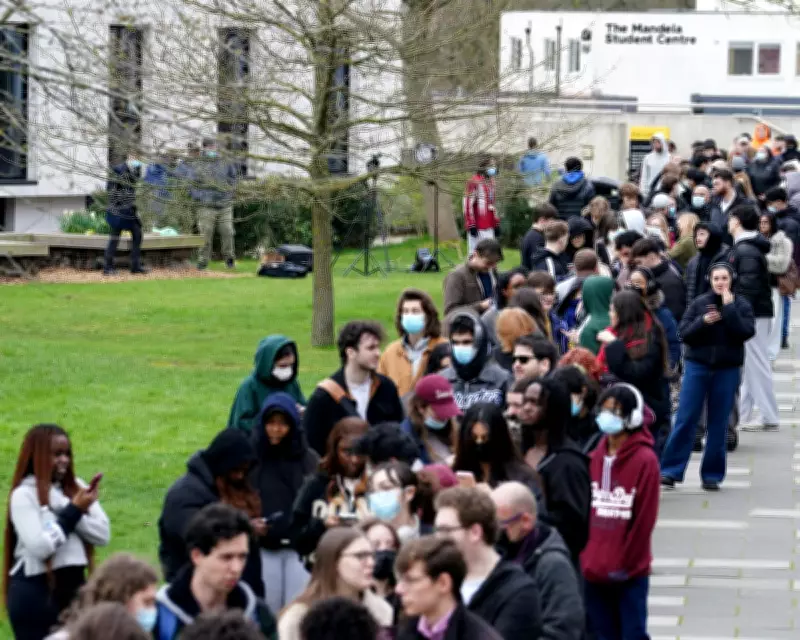
Among the fatalities is 18-year-old Juliette Kenny, an A-level student from Queen Elizabeth’s Grammar School in Faversham, praised by her headteacher as "incredibly kind, thoughtful and intelligent." The other victim, yet to be named, was a student at the University of Kent. The outbreak has caused significant concern, leading to long queues for antibiotics on the university campus as authorities scramble to contain the disease.

Public Health Response
The UKHSA has launched a full-scale response, urging anyone who visited Club Chemistry on the specified dates to come forward for antibiotics. On 17 March, a targeted vaccination programme against MenB was announced for students living in halls of residence at the University of Kent, with potential for expansion later. UKHSA chief executive Susan Hopkins highlighted the outbreak's severity, calling it "unprecedented" in its pace.
Meningitis in the UK: Context and Vaccination
According to UKHSA data, there were 378 cases of invasive meningococcal disease in 2024-25, with 80% (313 cases) attributed to MenB. The MenB vaccine has been part of the routine childhood immunisation schedule since 2015, offered to babies at eight weeks, 12 weeks, and one year. However, teenagers born before 2015 remain unvaccinated against MenB, as the UK Joint Committee on Vaccines and Immunisation (JCVI) has previously deemed it not cost-effective for this age group due to limitations in preventing transmission and strain coverage.
In response to the outbreak, UK Health Secretary Wes Streeting has requested the JCVI to re-examine eligibility for meningitis vaccines, emphasizing the need for swift action without prejudicing their decision. This move underscores the growing urgency to address gaps in vaccination policies amid rising cases.