Maternal Sepsis Mortality in Africa Dwarfs European Rates by 150-Fold
Women in sub-Saharan Africa face a staggering risk of death from maternal sepsis, with new research indicating they are almost 150 times more likely to succumb compared to mothers in Britain, Europe, and North America. This alarming disparity, highlighted in a WaterAid report, underscores a global health crisis where inadequate water, sanitation, and hygiene in healthcare facilities contribute to an estimated 36 daily fatalities.
Global Impact of Inadequate Sanitation on Maternal Health
The analysis, titled "Born Without Water: the crisis in our delivery rooms," examines maternity services across 16 countries in Africa and Asia, including Nigeria, Malawi, Tanzania, and Bangladesh. It reveals that maternal sepsis, a life-threatening infection complication during pregnancy and childbirth, is vastly more lethal in regions where basic hygiene infrastructure is lacking. In sub-Saharan Africa, approximately 4.7 million women develop maternal sepsis annually, equating to roughly one in every nine births.
Globally, maternal sepsis results in death in about one out of 1,100 cases, but in Africa, the fatality rate skyrockets to one death per 350 cases. Health experts attribute this gap to the stark conditions in many maternity wards, where three out of four births occur without adequate water, sanitation, or hygiene, dramatically increasing infection risks for both mothers and newborns.

Infrastructure Deficiencies and Aid Cuts Exacerbate Crisis
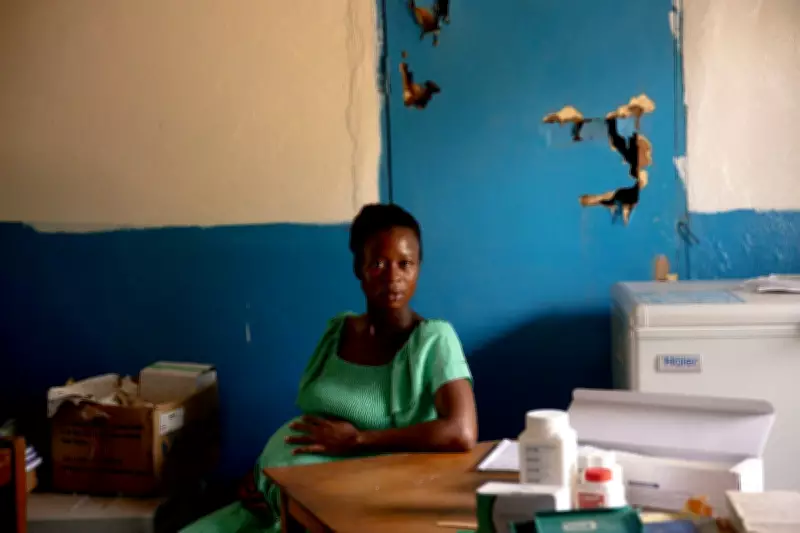
The WaterAid report details severe infrastructure shortcomings: 78% of studied maternity wards in Africa lacked functioning toilets, two-thirds had no clean water and soap for handwashing, and 65% failed to meet basic environmental cleaning standards. These dangers are compounded by significant overseas aid reductions from the US and UK, which have impacted healthcare across the continent. UK government spending on water, sanitation, and hygiene programmes overseas has plummeted from £206.5 million in 2018 to £80 million in 2024, with further cuts anticipated.
Amaka Godfrey, WaterAid’s executive director of international programmes, emphasized, "No woman should face the risk of dying in childbirth simply because clinics lack basic sanitation." She noted that while maternal sepsis remains a feared complication in the UK, millions of women elsewhere give birth in facilities devoid of clean water, toilets, or soap.
WaterAid's 'Time to Deliver' Campaign and Celebrity Support
In response, WaterAid has launched the 'Time to Deliver' campaign from Westminster, calling for increased international investment in water, sanitation, and hygiene in healthcare facilities. The campaign has garnered support from notable figures including actors Sir Mark Rylance, Myleene Klass, Sir Stephen Fry, and Beverley Knight, who are backing a global petition urging world leaders to prioritize clean water in maternity care ahead of the upcoming United Nations Water Conference.
Sir Mark Rylance reflected on his role as Dr. Semmelweis, a 19th-century doctor who championed handwashing to reduce maternal deaths, stating, "Today there is no such excuse. It is unacceptable that women are still exposed to these conditions." Beverley Knight added, "Clean water in every health centre is not a luxury — it is a right."
Preventable Deaths and Cost-Effective Solutions
The report estimates that investing in and delivering water, sanitation, and hygiene across healthcare facilities could prevent 10 million cases of maternal sepsis and 8,580 deaths worldwide each year, at a cost of less than $1 per person (approximately 75p). Campaigners warn that without restored investment and improved infrastructure, progress will continue to be undermined, but achieving these goals could save thousands of lives annually in the world's poorest countries.
Ms. Godfrey concluded, "Every woman has the right to give birth safely and with dignity. Clean water in delivery rooms is not a luxury - it is the foundation of safe maternal care."