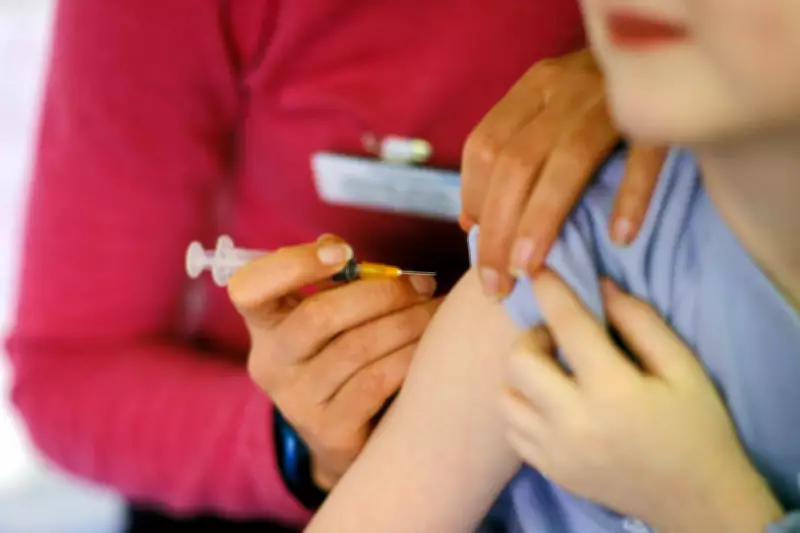
Measles Vaccine Essential for Southeast Asia Travel as Outbreaks Continue
If you are planning an Easter holiday to popular destinations like Bali, Vietnam, or Thailand, health experts strongly advise checking your measles vaccination status. These Southeast Asian countries are currently experiencing ongoing measles outbreaks, raising significant concerns among Australian health authorities.
Ongoing Measles Outbreaks in Key Travel Destinations
Indonesia, including the tourist hotspot Bali, remains one of the most frequented destinations for Australian travellers and continues to report periodic measles outbreaks. As of February 2026, Indonesia ranks third globally for measles outbreaks, behind only India and Angola, according to the US Centre for Disease Control.
Vietnam has also documented increased measles activity in recent years, with young children particularly affected. In Thailand, measles is endemic, meaning the virus persistently circulates within the community. World Health Organization data indicates a notable surge in transmission since 2023.

Measles transmission persists in other popular travel locations as well, including the United Kingdom and the United States, highlighting the global nature of this health threat.
Travel-Related Cases Driving Australian Infections
Australia was declared measles-free in 2014, but international travel has facilitated the virus's return. Most measles cases in New South Wales over the past year have been linked to overseas travel. Between January 1, 2025, and March 7, 2026, 34 out of 60 infections were acquired abroad, with 32 of those cases specifically traced to Southeast Asia.
Of the 26 locally acquired infections, 18 were directly connected to known imported cases. Eight cases had no clear source at the time of reporting, suggesting potential community transmission. Measles has been reported across multiple Australian states and territories in 2026, including Western Australia, Queensland, Victoria, South Australia, and the Australian Capital Territory.
Why Measles Poses a Serious Health Risk
Measles is far more than a routine childhood illness; it is one of the most infectious diseases known to science. The virus travels in tiny airborne particles that can remain suspended in indoor air for up to two hours, increasing transmission risks in crowded settings such as airports, shopping centres, restaurants, and hospitals.
An infected individual can spread measles to others even before symptoms appear, from four days prior to the rash emerging through to four days afterward. This means many people may be exposed before a diagnosis is suspected. Initial symptoms often resemble the flu, followed by a rash, with severe complications including pneumonia, ear infections, and encephalitis. In high-income countries, approximately one to three in 1,000 infections can be fatal.
Vaccination Rates and Herd Immunity Concerns
To prevent ongoing community transmission, about 95% of the population needs to be immune, a threshold known as herd immunity. This protects vulnerable groups who cannot be vaccinated, such as very young babies, individuals undergoing chemotherapy, and those with immune disorders.
According to 2024 national data, approximately 94.7% of Australian children receive their first measles vaccine dose at 12 months of age. However, coverage drops to around 89.5% for the second on-time dose at 18 months. This decline in vaccination rates is a key factor driving current Australian outbreaks.
Essential Steps for Travellers Before Departure
The most critical action is to ensure you and your children are fully vaccinated, arranging catch-up vaccines if necessary. This reduces the risk of contracting measles abroad or bringing it back to Australia, where it could expose vulnerable populations like unvaccinated infants and pregnant individuals.
Measles vaccines are provided free under Australia's National Immunisation Program for children at 12 and 18 months. Infants as young as six months can receive an extra early dose if travelling, which is safe, effective, and well-tolerated. These infants will still require their routine doses at the standard ages.

Adults born in 1966 or later without two documented doses should consider vaccination. The measles vaccine has an excellent safety and effectiveness record, with two doses offering long-lasting protection for about 99% of vaccinated individuals. Aim to get vaccinated at least two weeks before departure to allow immunity to develop.
Maintaining Vigilance in a Global Context
Measles control is a global challenge that demands local alertness. As international travel increases, keeping vaccinations up to date remains one of the most reliable methods to safeguard individuals, communities, and those most at risk. Health professionals emphasise that proactive measures are essential to prevent further outbreaks and protect public health.