Meningitis B Outbreak in Kent Claims Two Lives, Prompts Urgent Health Warnings
Two individuals have tragically died following an outbreak of invasive meningitis in Kent, with health authorities confirming 13 cases over the weekend. The UK Health Security Agency (UKHSA) is actively investigating the situation, urging hundreds of people to seek preventative antibiotic treatment to curb the spread of this serious infection.
Confirmed Cases and Strain Identification
Some of the cases have been identified as meningitis B, a particularly aggressive and deadly strain. The UKHSA has stated that it will confirm the specific strains involved in other cases once full laboratory results are available. This outbreak has highlighted vulnerabilities, as most young people born before 2015 lack protection against meningitis B unless they received the vaccine privately, given that it was only introduced into the NHS routine immunisation schedule for babies in 2015.
Precautionary Measures and Public Advisory
As a precautionary measure, hundreds of individuals who visited Club Chemistry in Canterbury on March 5, 6, or 7 have been advised to come forward for antibiotic treatment. Health officials are emphasising the need for vigilance, particularly among university students, who are considered more susceptible to this deadly infection. The UKHSA and NHS are coordinating efforts to provide antibiotics to students at the University of Kent, where queues have formed for treatment.

Understanding Meningitis: Symptoms and Risks
Meningitis is an infection of the meninges, the protective membranes surrounding the brain and spinal cord. Globally, it affects approximately 2.3 million people annually, with bacterial meningitis proving fatal in up to one in ten cases, according to NHS data. While anyone can contract meningitis, it is more prevalent among babies, children, teenagers, and young adults.
Early symptoms include high fever, headache, vomiting, diarrhoea, muscle pain, and stomach cramps. As the condition progresses, individuals may experience drowsiness, irritability, confusion, severe muscle pain, pale or blotchy skin, rashes, stiff neck, sensitivity to bright lights, and seizures. Charity Meningitis Now advises not waiting for a rash to appear and seeking immediate medical help if these signs are present.
Causes and Strains of Meningitis
Meningitis can be caused by viruses, bacteria, or fungi, with viruses and bacteria being the most common culprits in the UK. Other rare causes include certain medications, brain tumours, skull fractures, or surgeries. Bacterial meningitis, though rarer, is more severe than viral forms.
In the UK, five main bacterial strains cause the disease: MenA, MenB, MenC, MenW, and MenY. Meningitis B is the most common and deadliest, responsible for around 90% of meningococcal infections in the country. It can lead to severe complications such as meningitis, blood poisoning, and sepsis.
Transmission and Seriousness of the Infection
The infection spreads through respiratory droplets from coughing, sneezing, or close contact like kissing. It is typically contracted from carriers who harbour the bacteria in their nose or throat, though direct transmission from an infected person is less common.
If not treated promptly, meningitis can result in sepsis, brain or nerve damage, hearing loss, or death. Even with treatment, survivors of bacterial meningitis may face long-term issues such as hearing or vision impairment, memory problems, seizures, or limb loss.
Treatment and Vaccination Options
Viral meningitis often resolves on its own, while bacterial meningitis requires urgent hospital treatment, typically for at least a week. Treatments include intravenous antibiotics, fluids, and oxygen therapy.
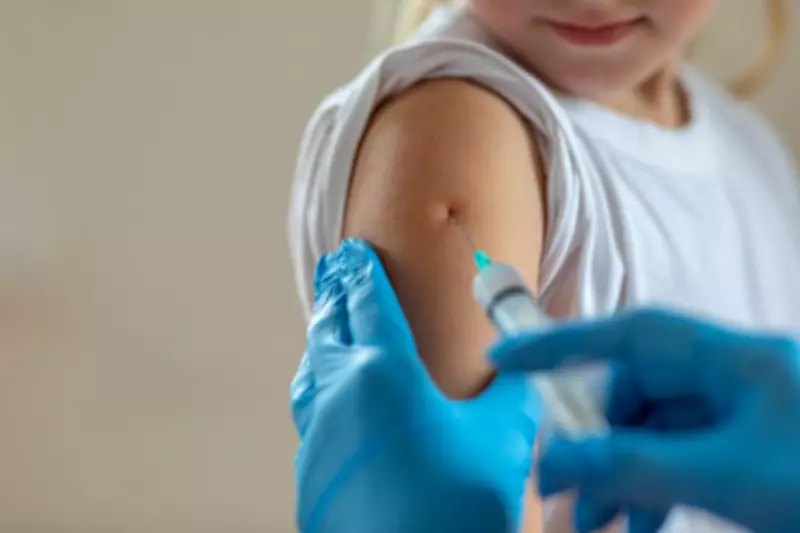
Vaccines are available to prevent several types of meningitis. The UK immunisation schedule includes the menB vaccine for babies at two, three, and twelve months, along with other vaccines like the six-in-one, pneumococcal, and MMRV. Teenagers and new university students are offered the MenACWY vaccine, which replaced the MenC vaccine in 2015. Young people up to age 25 who missed this vaccine at school remain eligible, a crucial measure for university entrants at higher risk.

Political Response and Future Considerations
In light of the outbreak, Helen Whately, Conservative MP for Faversham and Mid Kent, suggested on Times Radio that the government and UKHSA should evaluate the need for a "catch-up" vaccination campaign for young people. This proposal aims to address potential gaps in immunity and prevent future outbreaks.
Immediate Actions if Meningitis is Suspected
The NHS strongly advises calling 999 for an ambulance or going directly to the nearest A&E if meningitis is suspected. Trusting instincts is vital, as the condition can deteriorate rapidly, leading to sepsis or other life-threatening complications. Public awareness and prompt medical intervention are key to managing this health crisis effectively.