Meningitis Outbreak Escalates: Cases Reach 29 in Kent
The family of a teenager who tragically died from meningitis in the ongoing Kent outbreak have spoken of their "immeasurable loss" as health officials confirm the number of cases has risen to 29. Juliette Kenny, an 18-year-old student, passed away on March 14, just one day after first exhibiting symptoms, which included vomiting and discolouration in her cheeks.
Family's Heartbreaking Campaign for Change
In a statement to the Press Association, Juliette's father, Michael Kenny, revealed that his daughter had been "fit, healthy and strong" prior to her sudden illness. She had successfully completed the practical assessment for her PE A-level on March 12. Described as having a "beautifully positive energy," Juliette is one of two students who have died following this outbreak.
Mr Kenny emphasised that "no family should experience this pain and tragedy" and asserted that "this can be avoided." He is now campaigning for teenagers and young people to be routinely given access to the meningitis B vaccination, hoping his daughter's legacy will lead to "lasting change."

Vaccination Efforts and Public Response
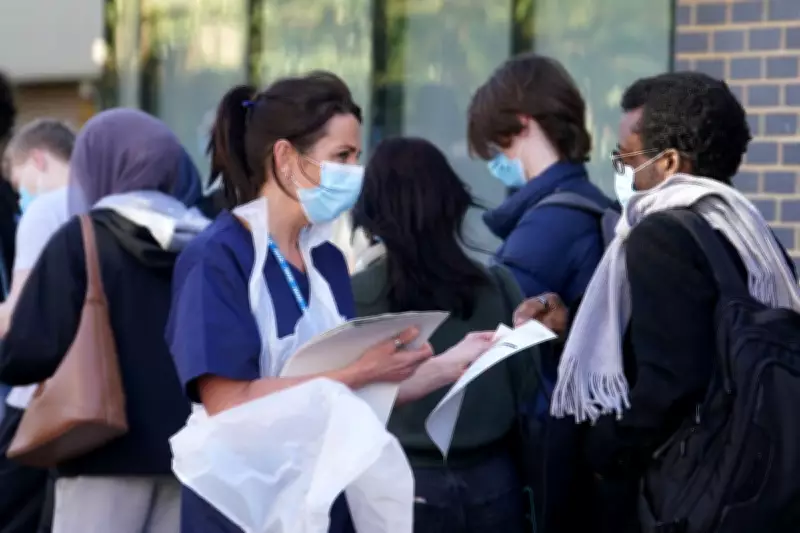
Hundreds of students and staff at the University of Kent campus queued for vaccines on Friday, with estimates suggesting around 700 people were in line by 8.45am. The clinic, operating from 9am to 5pm, had to turn away more than 100 students on Thursday due to staffing issues, as demand exceeded capacity within the allocated hours.
Professor Robin May, chief scientific officer of the UK Health Security Agency (UKHSA), addressed the situation, noting that while a "staffing issue" led to delays, there is no shortage of vaccine. He stressed that prophylactic antibiotics have been administered to those exposed, providing immediate protection, and the vaccination serves as follow-up protection, with no immediate health risk from waiting a day or two.
Investigation into the Outbreak's Causes
The UKHSA reported that 18 cases have been confirmed, with an additional 11 "probable cases," all linked to Kent. Thirteen of the confirmed cases involve meningitis B (menB), and all required hospital admission. Professor May highlighted that this outbreak is unusual, as the UK typically sees about one case of meningitis per day on average.
Experts are investigating two possibilities: whether the setting, such as a club environment, facilitated the spread, or if the bacteria itself has become more transmissible or likely to cause disease. The genome of this bacteria is about 100 times larger than Covid, making analysis complex. Initial genetic analysis suggests the Bexsero vaccine used on the NHS should offer protection against the identified strain, but more detailed studies are ongoing.
Current Statistics and Future Precautions
As of 5pm on Thursday, 2,360 vaccinations have been administered, and 9,840 doses of antibiotics have been given to those affected by the outbreak. Professor May acknowledged the need to learn from this event to prevent future occurrences, stating that insights gained could help develop better prevention methods against such pathogens.
The UKHSA has invited researchers to examine the genetic code in detail, as similar strains have been circulating in the UK for around five years. The community remains vigilant, with ongoing efforts to manage the outbreak and support public health measures.