National Incident Declared as Meningitis Outbreak Sweeps Kent
Health chiefs have declared a once-in-a-generation meningitis outbreak in Kent, escalating it to a national incident due to an unprecedented explosion of infections over a single weekend. The UK Health Security Agency (UKHSA) announced the move during a media briefing, warning that the crisis may not be resolved through vaccination alone.
Rapid Response and Tragic Losses
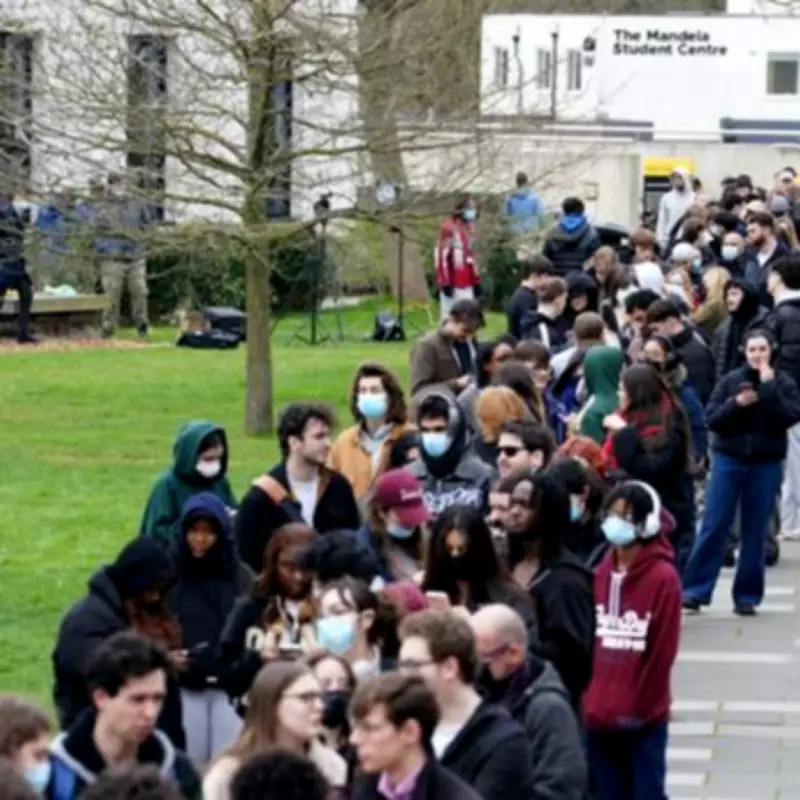
The NHS is mobilising to administer antibiotics to students at risk, following two fatalities where individuals realised their symptoms too late. Currently, 15 cases of serious illness have been reported, including one patient who presented at a London hospital after travelling from Kent. Health Secretary Wes Streeting informed the House of Commons that Kent hospitals reported a number of severely unwell young adults with symptoms consistent with meningococcal disease on Saturday.
All traced contacts have been offered precautionary antibiotics, with 700 doses already administered. The outbreak is linked to the meningitis B bacteria, which can lie dormant in the throats of carriers and is present in up to one in five of the population.

Source of the Outbreak
Investigators believe the outbreak originated from a super-spreader event at Club Chemistry in Canterbury over the weekend of March 5th to 7th. Transmission is thought to have occurred through close contact such as kissing, sharing drinks, and vapes. While there is no evidence of spread outside Kent yet, concerns remain high.
One UKHSA expert noted they had never seen such an explosion of cases in 35 years, highlighting the severity of the situation. Streeting emphasised that transmission requires close and prolonged contact, distinguishing it from respiratory conditions.
Timeline and Broader Impact
The UKHSA was first notified of a case on March 13, initiating contact tracing. By Saturday, the agency had contacted the University of Kent, and French officials alerted them to a case in France involving someone who attended the university. Local schools have identified two meningitis cases in Year 13, prompting UKHSA to send letters to parents in the area. One of the fatalities was Juliette, a Year 13 pupil from Faversham.
In response, Streeting plans to ask the Joint Committee on Vaccination and Immunisation (JCVI) to review whether older children should receive the meningitis B vaccine on the NHS. However, immunity from vaccination takes weeks to build, so it may not protect students in the immediate term. Health officials aim to prevent a second wave of infections in the coming weeks.
Public Reaction and Vaccination Surge
The announcement has triggered a surge in bookings for meningitis vaccines at private pharmacies, as people seek to protect themselves. This underscores the public concern and the urgent need for effective containment measures.
As the situation develops, authorities continue to monitor closely, stressing the importance of understanding how the disease spreads to reassure the public and curb further transmission.