Hospital Tragedy: Mother Dies After 25-Hour Prescription Delay at Royal Stoke
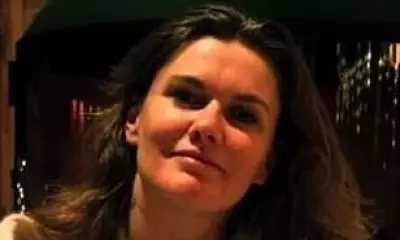
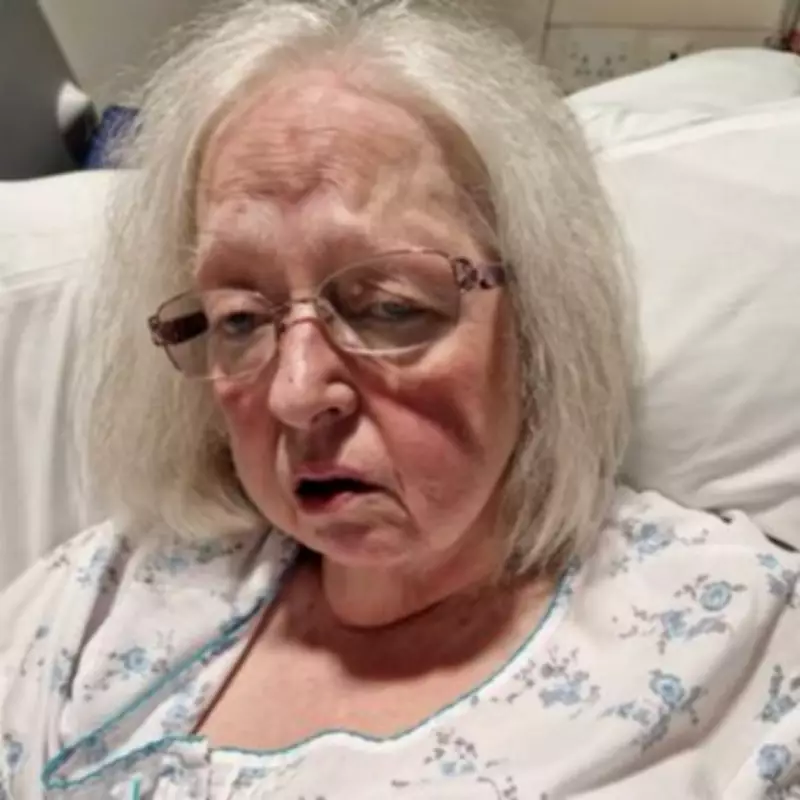
A grieving son has condemned Royal Stoke University Hospital after his terminally ill mother was forced to endure a devastating 25-hour wait for pain medication before her death. Linda Lockett, a 70-year-old grandmother from Stoke-on-Trent, passed away on February 21 following what her family describes as an unacceptable failure in basic medical care.
Palliative Care Patient Left Without Proper Medication
Linda Lockett had been diagnosed with interstitial lung disease in June of last year, a condition that makes breathing increasingly difficult. She was placed on a palliative care pathway and prescribed oral morphine for regular pain management at home. However, when her condition suddenly deteriorated on February 7, she required emergency admission to Royal Stoke University Hospital.
Her son Sean, 42, revealed that despite medical staff discovering a "massive" intestinal blockage nearly double the size of her large intestine, his mother waited more than a full day for appropriate pain relief. "She was in severe pain," Sean told local media. "She said it was the worst pain she'd ever experienced."

Hospital Admission and Delayed Treatment
The family's ordeal began when district nurses and a doctor from the NHS 111 service identified a blockage in Linda's intestines, prompting an ambulance call. After waiting two hours outside the emergency department, Linda was admitted around 11pm and underwent blood tests and scans.
By 5am, she had been transferred to the surgical assessment unit, where a surgeon examined her at 9am. The medical professional explained that the scan revealed the extensive blockage and noted that Linda was fortunate her bowel hadn't perforated. While surgery would normally be performed, the surgeon expressed concerns about whether Linda would survive the procedure given her underlying health conditions.
Doctors informed the family that Linda was unlikely to live beyond a few days, shifting the focus to ensuring her comfort during her remaining time. The surgeon promised to return shortly to arrange appropriate medications.
Pain Relief Failure and Family Outrage
When Sean returned to the hospital at 8pm that evening, he discovered his mother had received only paracetamol for pain relief despite her home prescription of oral morphine. "The nurse told me the doctors hadn't prescribed anything," Sean recalled. "I couldn't believe it. She has this massive blockage and lots of pain."
After approximately 25 hours in hospital, Linda was finally prescribed proper pain medication. Sean described feeling "appalled" by what he called a prescription blunder that violated basic human rights. "When a doctor tells you he's going to sort out medicine for your dying mother - who was already on a palliative care pathway - you don't expect there to be any issues," he said.
Systemic Issues and Formal Complaint
Sean has lodged a formal complaint with the hospital, citing multiple systemic problems. He criticized what he perceived as inadequate care from doctors and surgeons, though he acknowledged that general nursing care was excellent. His mother lost trust in the hospital during her final days, he revealed.
The grieving son identified several areas needing improvement, including:
- Increased staffing levels to prevent medical teams from being stretched too thin
- Better follow-through on medical promises and prescriptions
- Reduced acceptance of non-local patients when the hospital is already struggling
- More hospitals with similar capabilities distributed around the country
"I think this is just indicative of the sorry state the NHS is actually in," Sean concluded, highlighting what he sees as broader systemic failures within the national healthcare system.
Hospital Response and Investigation
Royal Stoke University Hospital has acknowledged Sean's concerns through Chief Nurse Ann-Marie Riley, who stated: "We would like to apologise for Mrs Lockett's experience during her stay at Royal Stoke. We take all concerns raised very seriously and have a robust process in place to investigate when raised."

The hospital confirmed they are now working with the family regarding their complaint and encouraged them to contact the patient advice and liaison team for further support. The case has raised serious questions about prescription protocols for palliative care patients and timely pain management in hospital settings.