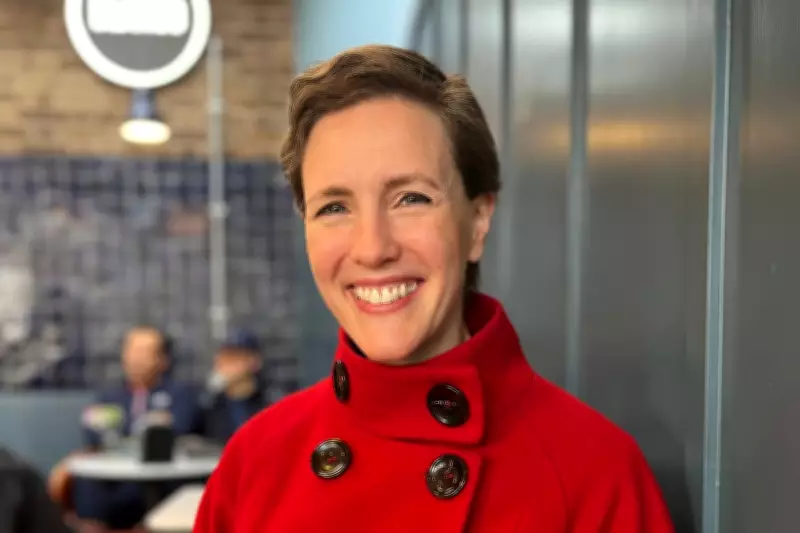
How Motherhood Provided Strength During Breast Cancer Journey
On Mother's Day, Clare Berry reflects on how her husband and two young daughters became her pillars of support through eight challenging months of breast cancer treatment. The 43-year-old lawyer reveals surprising positives that emerged from her diagnosis and offers encouragement to others facing similar journeys.
The Initial Shock and Family Approach
When first diagnosed in May, Berry found the news surreal. As a fit, healthy individual who cycles regularly and drinks minimally, she initially believed there must have been a mistake. With a demanding career and two daughters at different schools, she felt she simply didn't have time for cancer treatment.
"The psychological worst period was between diagnosis and starting treatment," Berry explains. "I felt like I was going to war without knowing what to expect. Yet with small children, I couldn't afford to be sick even for a single day."

Sharing the diagnosis with her seven and nine-year-old daughters proved easier than anticipated. Knowing survival rates for her specific breast cancer type were high, Berry approached it as "an annoying waste of time we just had to get through together." She transformed the experience into an educational opportunity, buying lab coats and stethoscopes so they could become "trainee oncologists" learning about cancer together.
Navigating Treatment Realities
Berry describes chemotherapy as resembling a persistent stomach bug that ebbs and flows over four and a half months. "They plan the cycles perfectly," she notes, "cruelly scheduling the next infusion just as you begin feeling slightly better." Beyond nausea and diarrhea, she experienced tooth browning, immediate menopause, and hair loss.
Initially attempting the cold cap method to preserve her shoulder-length hair, Berry found the ice-filled cap unbearably painful during three-hour sessions. After developing bald patches and facing weekly treatments, she abandoned this approach. Her mother suggested involving the girls in shaving her hair, which became a bonding experience despite initial emotional difficulty.
"Running my hands over my shaved head felt wonderful," Berry recalls. "It was light, cool, and felt like a weight lifted. Washing and drying took about a minute total." She opted for silk scarves and bamboo hats over her rarely-worn wig, noting most patients in her chemo ward preferred baldness or hats to wigs.
Treatment Effectiveness and Recovery Insights
Berry's chemotherapy proved remarkably effective. After just two rounds, her tumor shrank from 7.4cm to 2cm. Following six rounds, scans showed no visible cancer. Originally facing mastectomy for her diffuse tumor, the positive response allowed negotiation to lumpectomy instead. Pathology confirmed all removed tissue and lymph nodes were clear.
"A stage 3 cancer in the 95th percentile by size was annihilated in five months," she marvels, crediting both advanced chemotherapy and targeted Herceptin treatment. Her surgeon noted Berry's immediate treatment start contributed significantly to this success.
Subsequent radiotherapy involved brief daily sessions for one week, causing fatigue and sunburn-like effects. Berry declined permanent alignment tattoos in favor of removable sharpie markings.
Unexpected Positives and Lasting Lessons
Most profoundly, Berry discovered that love and attention from family and friends proved more healing than any special diet could have been. She learned to appreciate small daily joys—a well-made coffee, tasting food properly, normal bodily functions—as life's greatest pleasures.
Regular walks in Kew Gardens and other parks provided consistent healing, whether alone or with friends. Berry actively requested local companions for frequent short walks, finding equal value in solitary and social outings.
The experience simplified her life dramatically. "It became easy to say no without guilt," she explains. "Our summer felt peaceful rather than hectic. I was content at home without constantly thinking about improvements."

Her daughters' presence proved particularly therapeutic. "I always felt better when they returned from school," Berry shares. "Having to 'man up' and eat with them evenings actually relieved my nausea."
Berry rejects the narrative of "fighting" or "beating" cancer. "I simply attended appointments and focused on what was good for my mind and body during that period," she clarifies.
The experience deepened her human connections profoundly. "Serious illness became a portal from regular friendship to actual love," she reflects. "Really needing and depending on others felt like a completely different, and very good, way of living."
Berry concludes: "I want to maintain this interdependence and keep the simplicity discovered during treatment. And for now, I'm keeping my hair short—it's wonderfully practical and reminds me of lessons learned."