Devastated Mother Claims Simple NHS Test Could Have Saved Her Son's Life
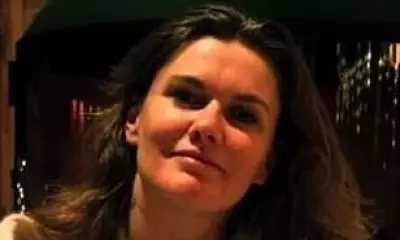
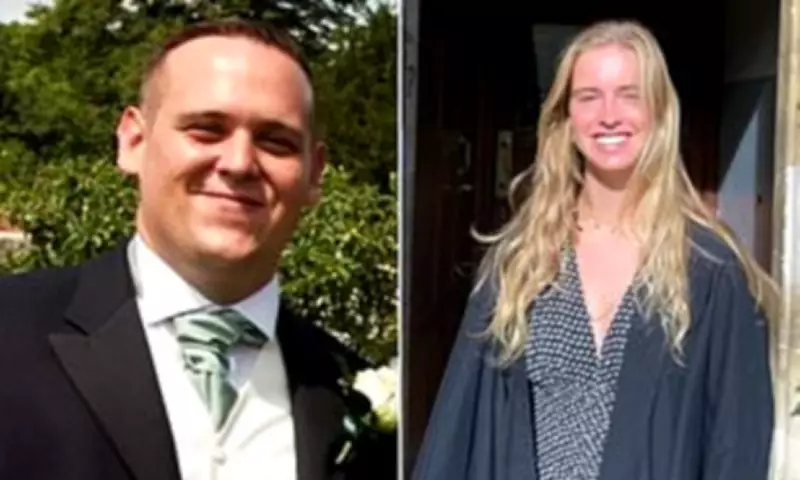
A heartbroken mother whose seemingly fit and healthy son died suddenly in his sleep at just 31 years old has declared that a straightforward medical test could have prevented the tragedy. Nathan Bryan was discovered deceased in his bedroom by his parents, Gill and Steve Ayling, in February 2019, after a lifelong heart condition remained undetected.
Family's Anguish and Campaign for Change
The couple, residing in Swaby, North Lincolnshire, firmly believe the NHS failed their son by not offering him a cardiac screening, especially given his sister's childhood diagnosis of a heart problem. In response to their loss, they established the charity The Beat Goes On 31, which advocates for government-funded heart tests for all young people starting at age 14.
Mrs. Ayling recounted the harrowing day: 'Nathan had absolutely no symptoms at all, he was a fit and healthy young man. [The day he died] was absolutely horrendous as you can imagine.' She described a mother's intuition leading her to check on him, only to find him lifeless. 'He was in good physical shape or at least we thought he was and he should be here today,' she added, her voice echoing with grief.

Alarming Statistics and Similar Tragedies
It is estimated that approximately a dozen Britons aged 35 and under die suddenly each week from previously undiagnosed heart conditions in the UK. This alarming figure is underscored by other recent cases:
- In 2023, Clarissa Nicholls, a 20-year-old Cambridge University student and keen athlete, tragically died while hiking in southern France due to an undiagnosed heart condition. She had arrhythmogenic cardiomyopathy, where heart muscle is replaced by fat and scar tissue.
- Teenage footballer Adam Ankers, 17, collapsed on the pitch while playing for Wycombe Wanderers' Foundation U19 team in January 2024. He was rushed to Harefield Hospital in Uxbridge but pronounced dead days later after suffering unsurvivable brain damage.
These cases highlight a critical gap in preventive healthcare, as experts note many such conditions could be identified through simple screenings like an electrocardiogram (ECG).
Government Petition and Official Response
Mr. and Mrs. Ayling now fundraise to provide free cardiac screenings for youths over 14, aiming to spare other families similar anguish. They also launched a government petition calling for ministerial funding of such procedures, which involve an ECG and family history review, garnering over 34,000 signatures.
However, the couple accuse ministers of taking 'no notice', branding the inaction a 'national scandal'. Mr. Ayling stated: 'We are just getting notified of these tragic circumstances on a near daily basis. It just seems like the government does not take any notice.' Mrs. Ayling compared the weekly deaths to a recurring bus crash, emphasizing governmental neglect over 25 years.
The government responded last month, citing inconclusive evidence on screenings' reliability and warning of false diagnoses leading to unnecessary treatments or anxiety. A Department of Health and Social Care spokesperson expressed sympathy but noted the UK National Screening Committee is reviewing evidence for a Sudden Cardiac Death screening programme, with a public consultation pending.
Charity Impact and Broader Implications
Despite governmental hesitance, The Beat Goes On 31 has funded cardiac screenings for more than 600 individuals aged 14 to 35, with 45 referred for further tests. According to the national charity Cardiac Risk in the Young, around 12 young people die weekly in the UK from undiagnosed heart conditions, underscoring the urgency of this issue.
This campaign not only seeks to prevent future tragedies but also challenges the NHS's preventive care protocols, urging a reevaluation of how heart health is monitored in asymptomatic young populations.