Nebraska Hospital Crisis Exposes $50B Rural Health Fund Shortcomings
A critical access hospital in rural Nebraska has become the focal point of a national debate over Medicaid reductions and the limitations of a $50 billion federal rural health initiative. For families like the Saint Johns in Creighton, Nebraska, their local hospital represents more than just medical care—it is a lifeline.
A Family's Lifeline Under Threat
Rick and Jane Saint John chose to reside in Creighton primarily because of its hospital. Their child, who has nonverbal autism and epilepsy, requires up to three hospital visits weekly. Jane Saint John is employed at the facility, and three years ago, doctors there saved her life when she contracted bacterial pneumonia. Medical professionals warned that waiting another day for treatment could have led to organ failure.
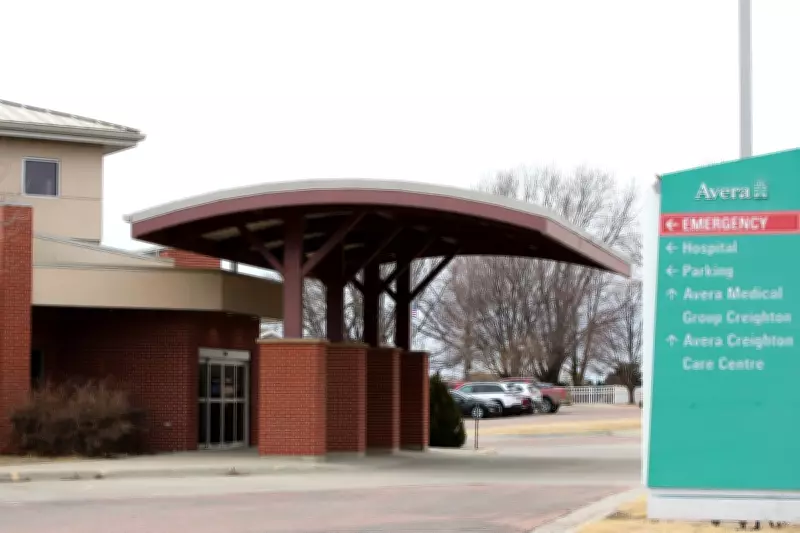
"If we had needed to drive an hour to the Yankton hospital in South Dakota," Rick Saint John said, his voice trembling, "it might have cost Jane her life." The couple was therefore stunned to learn that Avera Creighton Hospital faces severe financial difficulties, with the $50 billion Rural Health Transformation Program offering little immediate relief.

National Rural Health Emergency
Hundreds of rural hospitals across the United States are confronting potential closures after years of financial instability. The situation worsened last summer when the Trump administration implemented significant Medicaid cuts. These reimbursements have historically helped hospitals maintain operations, particularly in low-income areas.
In response to widespread criticism, Republican lawmakers established $50 billion in new rural health grants. However, experts argue this funding is designed for innovative healthcare delivery solutions rather than supporting hospitals struggling under current financial pressures.
"This fund will not pay to keep the lights on. And it will not turn the lights back on once they have been switched off," stated Dr. Ben Young, an infectious disease specialist and policy expert with the Wellness Equity Alliance. These healthcare concerns in rural America mirror broader national anxieties about medical access and rising care costs, issues that could significantly influence upcoming midterm elections.
Transformation Fund Versus Reality
The $50 billion Rural Health Transformation Program, included in President Donald Trump's tax-and-spending legislation last year, was promoted by Republicans as a substantial boost for rural hospitals. Health Secretary Robert F. Kennedy Jr. described it as the "biggest infusion in history" for these facilities, promising it would "restore and revitalize these communities."
Nevertheless, hospitals and industry analysts caution that while the fund—allocating $10 billion annually across all states for five years—provides some assistance, it falls far short of saving endangered institutions. According to health research nonprofit KFF, rural hospitals anticipate losing $137 billion over the next decade, an amount the new fund cannot offset.
Millions are expected to lose Medicaid benefits when new work requirements take effect in 2027. The Trump administration maintains these changes target fraud rather than legitimate enrollees.
Administrative Perspectives and State Plans
Administrators emphasize the fund aims to transform rural healthcare through technology, workforce development, and innovation rather than propping up failing hospitals. Centers for Medicare and Medicaid Services Administrator Dr. Mehmet Oz stated in a December video that it "gives states the tools to design lasting solutions, not temporary Band-Aids." The White House reiterated this position, describing the fund as supporting "big ideas" for long-term rural healthcare access.
"Decades of mismanagement by career politicians in Washington have left rural communities with limited care options," commented White House spokesman Kush Desai.

State applications reveal diverse proposals, including improving emergency services, modernizing facilities, enhancing school nutrition, expanding telehealth, and implementing AI-driven patient monitoring. Nebraska, receiving $218 million in the first installment, plans to allocate approximately $90 million to healthier school meals, healthcare worker recruitment, and remote patient monitoring sensors.
For critical access hospitals at risk of closure, Nebraska offers $10 million to "right size" them by eliminating inpatient care where bed occupancy is typically low.
Local and Political Reactions
Avera Creighton Hospital CEO Theresa Guenther asserts her hospital is not facing imminent closure but acknowledges Medicaid cuts will be challenging. "Medicaid reductions will impact us, and we, like many others, must determine how to proceed," she said. The hospital hopes to secure part of the $50 billion fund to manage chronic diseases like diabetes and cover workforce expenses.
Republican state Senator Barry DeKay, whose district includes Creighton, emphasized the hospital's importance despite low occupancy rates. His mother received life-extending care there following hip replacement surgery. "I will work diligently to secure as much funding as possible for rural hospitals across the state," he pledged.
Rick Saint John admitted limited knowledge of Nebraska's fund allocation but believes it should preserve hospitals like Creighton's. "This hospital is crucial to our community beyond just medical care," he noted, highlighting potential job losses if services are reduced or the facility closes.
Hospital Advocacy and State-Level Actions
The fund has faced criticism from hospital associations, an issue gaining prominence for 2026 voters. The Colorado Hospital Association accused state lawmakers of ignoring rural hospital input during the application process. The Nebraska Hospital Association, which endorsed Republican U.S. Senator Deb Fischer's 2024 reelection based on her rural health advocacy, has condemned both the Medicaid cuts and the $50 billion fund. Fischer voted for the Medicaid reductions last summer.
The association stated that efforts to limit Medicaid spending convey a message "that access to healthcare is not a priority." Some Republican state legislators nationwide have expressed concerns about the fund and explored ways to assist struggling rural hospitals.
Under mounting pressure, several states are taking independent action. Wyoming passed legislation allowing rural hospitals to file for Chapter 9 bankruptcy, typically reserved for financially distressed municipalities. In North Dakota, during a special session to allocate federal rural health funds, the Republican-led Legislature approved a bill providing a low-interest loan of up to $5 million to rescue a rural hospital through the state-owned bank.
Hospital board member Matt Hager expressed hope this plan would keep the facility open in a vast rural area where it employs 5% of the surrounding county's residents.
Expert Prognosis: Bleak Outlook
Dr. Ben Young of the Wellness Equity Alliance foresees challenging times ahead for rural hospitals. "I am not optimistic in the short term," he admitted. "These hospitals are facing immediate financial shortfalls, operating on the edge currently, and they require operational support now."
As rural communities nationwide grapple with these realities, the disconnect between promised transformation and urgent financial needs highlights a deepening crisis in America's healthcare landscape.