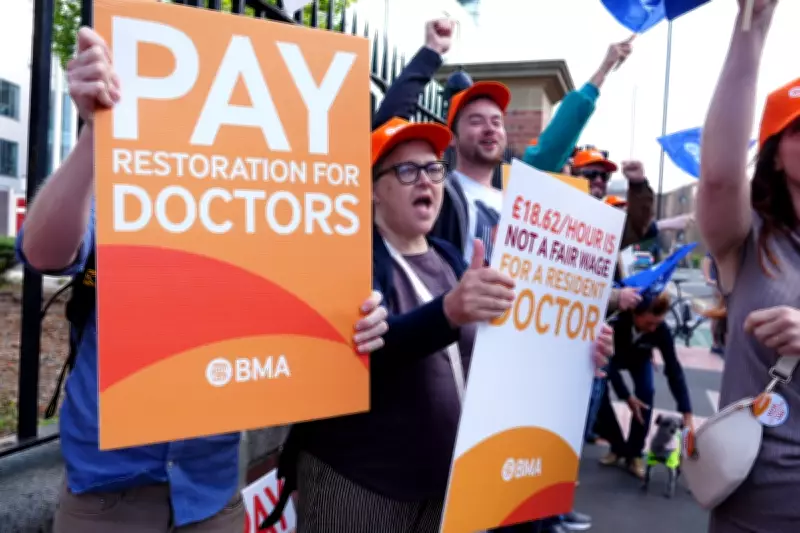
NHS Faces £300m Crisis as Resident Doctors Launch 15th Strike Over Pay Dispute
Resident doctors in England have initiated a near week-long strike action, deepening the ongoing NHS row over jobs and pay. This industrial action, announced by the British Medical Association (BMA), commenced at 7am on 7 April, following the Easter bank holiday weekend, and is scheduled to conclude at 6.59am on 13 April.
This marks the 15th strike by resident doctors – formerly referred to as junior doctors – since March 2023, building on a similar walkout in December. The core demand from doctors is the restoration of pay to 2008 levels, which equates to a 26 per cent increase to counteract inflation-driven erosion over the years.
Breakdown in Government Talks Sparks Immediate Action
The strike follows the collapse of talks between the government and the doctors' union in March. Last month, the government presented the BMA with a package of measures, including coverage for out-of-pocket expenses such as exam fees, accelerated pay progression, and additional speciality training posts. However, the government has firmly rejected the BMA's stance on pay, leading to the current impasse.

Health Secretary Wes Streeting expressed grave concerns on Tuesday, stating: "Instead of accepting this offer, the BMA rejected it outright and announced immediate strike action. Not only does this torpedo the pay rises and training posts available to resident doctors, but it also puts at risk the recovery of the NHS." He estimated that the strike could cost the NHS approximately £300 million.
BMA Accuses Government of Moving Goalposts
BMA Resident Doctors Committee chair Jack Fletcher argued last week that ministers "effectively moved the goalposts on the deal at the last minute." He emphasized, "Removing potential doctors' posts at a time when corridor care and GP queues are already putting the NHS under pressure, is clearly bad for patients." Fletcher reiterated the union's willingness to postpone industrial action if a credible offer is provided, maintaining this position throughout any strike period.
Detailed Background on the Pay Dispute
Resident doctors are qualified physicians in their initial years of training, with a fifth completing their first two foundation years and the rest in core or speciality registrar training. Agreed salaries range from £38,831 to £44,439 for foundation training, rising to £73,992 for specialist training, inclusive of a 5.4 per cent increase awarded last year but excluding London weighting.
While resident doctor pay has increased nearly 30 per cent from 2023-2024 to 2025-2026, including a 22.3 per cent rise since Labour took office, the BMA contends that a 26 per cent boost over the coming years is necessary to restore pay to 2008 levels after inflation. With the current 5.4 per cent uplift, the BMA projects that pay restoration will not occur until 2036, a 12-year wait.
The BMA advocates for pay increases to between £47,308 and £54,274 for foundation doctors and up to £90,989 for those in specialist training at the highest end, negotiated over a flexible period. Additionally, resident doctors are calling for reduced competition for speciality training posts, as many struggle to secure roles despite prior NHS experience.
Government's Offer and Its Implications
The government extended a last-minute offer in December and another in March. In a letter to BMA members on 27 March, Streeting outlined key elements, including a reformed pay structure for more frequent pay rises and an average basic pay increase of 4.9 per cent. This would have made resident doctors 35.2 per cent better off than four years ago, with starting pay for new graduates nearly £12,000 higher than in 2022-2023.
Under this proposal, the lowest-paid FY1 and FY2 doctors would have received pay rises of at least 6.2 per cent and 7.1 per cent respectively this year, pushing average earnings above £52,000. For the most experienced resident doctors, basic pay would have risen to £77,348, with average earnings exceeding £100,000.

The government also pledged to create 4,000 to 4,500 additional specialty training posts over the next three years, including 1,000 posts accelerated this year to address bottlenecks. In 2025, over 30,000 applicants vied for 10,000 of these positions, some from overseas, highlighting the intense competition.
As the strike unfolds, the NHS faces mounting pressure, with patient care at risk and financial strains escalating. The dispute underscores broader challenges in healthcare funding and workforce management, with both sides entrenched in their positions amid calls for a swift resolution to prevent further disruption.