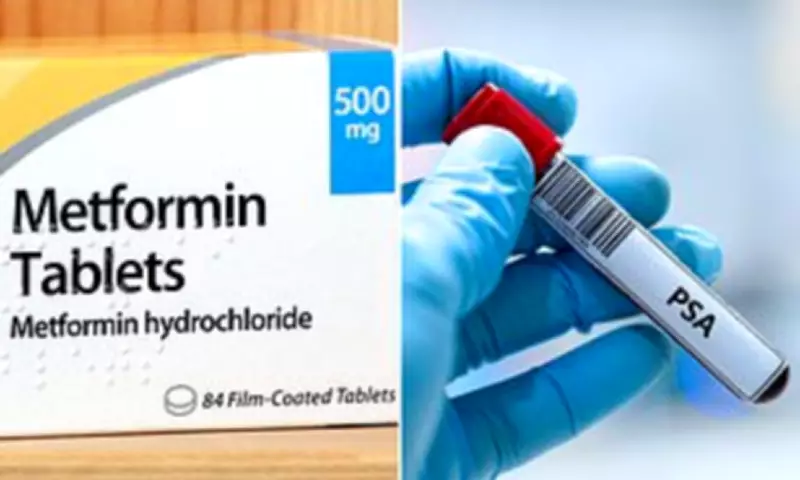
NHS Diabetes Drug Metformin Could Slash Prostate Cancer Risk by 35%
A groundbreaking study has revealed that metformin, a widely used NHS diabetes drug costing as little as 2p per tablet, could reduce the risk of prostate cancer by more than a third. This finding offers new hope in the fight against a disease that claims over 12,000 lives annually in the UK.
Metformin's Dual Role in Health
Metformin is already prescribed to millions of people worldwide to manage blood sugar levels in type 2 diabetes. However, recent research suggests its benefits may extend far beyond glucose control. One of the largest studies ever conducted on its anti-cancer properties has now identified a significant protective effect against prostate cancer.
The researchers involved in the study have proposed that in the future, men at high risk of developing prostate cancer could be given metformin as a preventive measure. Dr Visalini Nair-Shalliker, a cancer researcher at the University of Sydney, emphasised the importance of this potential application, stating, 'That's the important question and one we are currently exploring.'

Study Details and Findings
In the UK, more than 60,000 men are diagnosed with prostate cancer each year, with cases increasing by over 40% in the past 15 years. The latest research, led by experts at the University of Sydney, tracked nearly 95,000 men from 2012 to 2019. The team identified prostate cancer diagnoses and cross-referenced them with metformin prescriptions.
The results, published in BJC Reports, showed that just over 5,000 of the men developed prostate tumours. Crucially, those taking metformin were 35% less likely to receive a cancer diagnosis. This protective effect was observed even after accounting for factors like obesity, a major cancer risk, with slim men on the drug also experiencing reduced risks.
Mechanism and Broader Implications
Metformin has long been investigated as a potential cancer treatment due to its ability to block the reproduction of cancer cells. The drug works by lowering insulin levels, a hormone that can promote the multiplication of malignant cells. Previous studies have indicated it may also help treat breast cancer and prevent certain types of leukaemia.
Unlike past research that focused on administering metformin to men already severely ill with prostate cancer—with limited success—this study suggests the drug is far more effective when given earlier, possibly before cancer is even detected. Sophie Brooks of Cancer Research UK commented, 'More research is needed to understand how metformin might influence prostate cancer risk but these early signs are good news.'
Future Prospects and Charitable Support
The potential of metformin as a preventive tool could revolutionise prostate cancer care. Simon Grieveson of Prostate Cancer UK noted that the charity is 'supporting research into whether it can extend the lives for some patients – which would be a game-changer for many men.' This aligns with ongoing campaigns, such as those by The Daily Mail and Prostate Cancer UK, advocating for regular blood tests to improve early detection and treatment.
As research continues, the low cost and widespread availability of metformin make it a promising candidate for reducing the burden of prostate cancer, offering a simple yet powerful strategy to protect men's health in the years to come.