In the wake of recent global tensions, including attacks on Iran, questions about nuclear preparedness have surged, prompting the UK government to release detailed guidance on survival strategies for a radiation emergency. While such an event is considered highly unlikely, officials emphasise the importance of being informed and prepared for worst-case scenarios.
Understanding the Risks to Food and Water
According to the gov.uk website, radioactive material from a nuclear incident can contaminate the ground and water sources, posing significant risks to crops, livestock, and drinking water supplies. This contamination primarily affects fruit and leafy vegetables, which may absorb radioactive particles through their roots. Livestock that consume these contaminated plants can, in turn, pass on the risks through meat and dairy products.
In response, food standards agencies are likely to impose precautionary restrictions within defined areas, halting the sale of affected crops, livestock, and animal-based products. This underscores the need for alternative food sources in an emergency.

Essential Foods to Stockpile
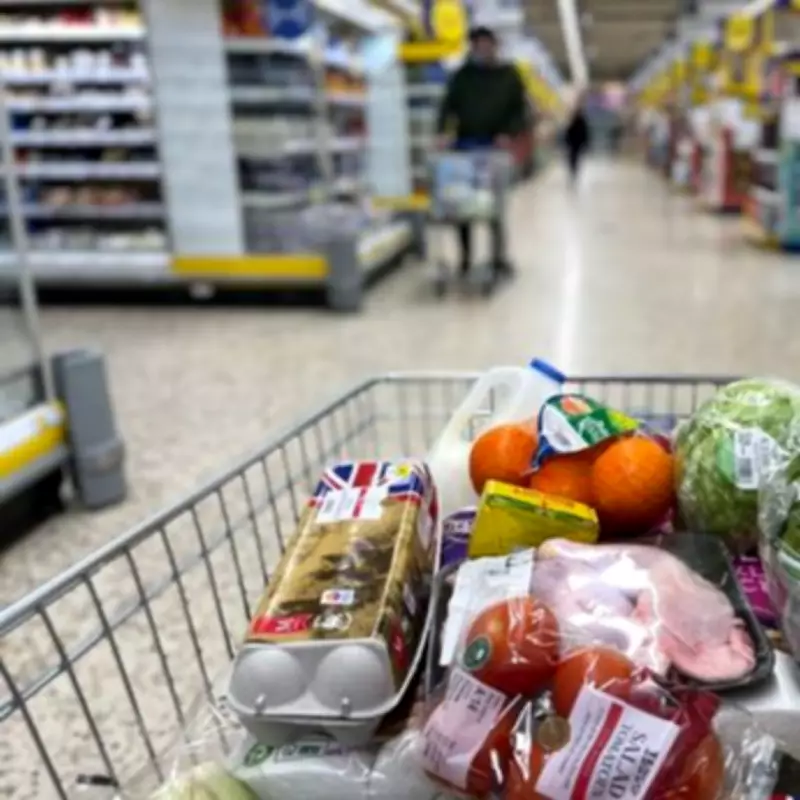
To plan ahead, experts recommend focusing on non-perishable items that provide nutrition and balance. Canned goods and dried foods are ideal choices, as they have long shelf lives and require minimal preparation. Real Simple magazine has compiled a comprehensive list of pantry staples for such situations.
Key items include:
- Peanut butter and nuts for protein and energy
- Crackers and cereal for carbohydrates
- Dried fruits for vitamins and fibre
- Canned tuna, salmon, chicken, or turkey for lean protein
- Canned beans for fibre and sustenance
The government notes that large releases from overseas nuclear facilities could, under certain weather conditions, lead to radioactive material reaching parts of the UK, necessitating these precautions.
Water Supply Concerns and Solutions
In a radioactive emergency, water treatment plants may cease extracting water from rivers, lakes, or wells in affected areas to prevent contamination. This could significantly impact water supplies once treated reserves are depleted. Although water companies have arrangements for alternative safe water, such as bottled water, individuals are advised to stock up on their own supplies.
Bottled water is routinely used during disruptions to local supplies, making it a practical stash for various emergencies, nuclear or otherwise. Keeping extra bottles at home ensures access to safe drinking water when needed most.
Additional Preparedness Tips
Beyond food and water, Real Simple suggests considering cooking supplies that do not rely on gas, power, or electricity. A backup generator, portable camping stove, or oven can be invaluable in such scenarios. The website also recommends keeping a can of Sterno on hand, which provides heat without electricity and can warm small amounts of food in cookware.
For safety during a nuclear event, the UK government advises staying indoors with all windows and doors shut. The safest spot in a home is in the middle of the building, as far from external walls as possible, to minimise exposure to radioactive material that may collect outside. If officials instruct you to remain indoors for several days, having these supplies readily available will prove crucial for survival and comfort.