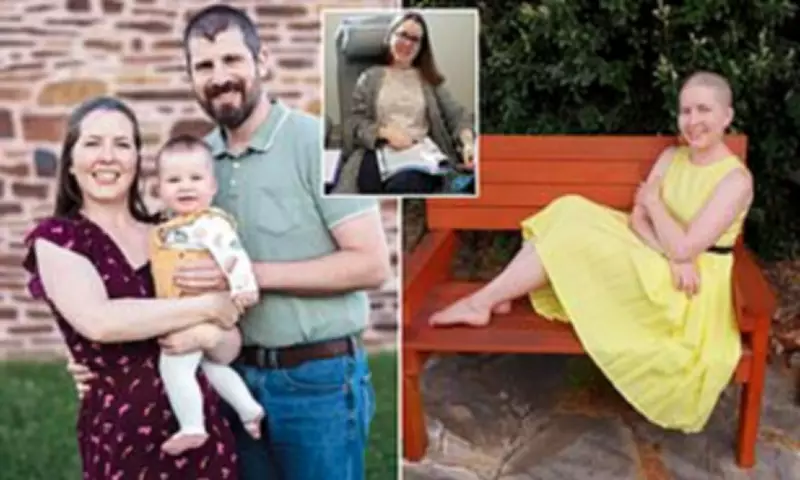
Gemma Milling, a 27-year-old political aide, found herself engulfed in the relentless pace of Westminster politics, where long hours and high-stakes elections blurred the days into a continuous stream of deadlines. Amid this chaos, she noticed a lump in her right breast during a routine shower after a run, but dismissed it as something to address later, believing she was too young for cancer.
A Critical Delay with Lasting Consequences
From November 2017 to May 2018, Gemma postponed medical consultation, rationalising the delay with her busy schedule during a state election. She occasionally checked the lump but observed no significant changes, allowing a persistent gut feeling to linger unheeded. "I held off on seeing a doctor for four or five months. We had a state election at the time, I was a bit too busy," she admitted, reflecting on the assumption that cancer only affects older individuals.
The Turning Point in Diagnosis
When Gemma finally mentioned the lump to her GP while filling a prescription, she was fortunate to encounter a doctor with experience in breast clinics, who did not dismiss her due to age. A swift referral for an ultrasound led to a biopsy and a diagnosis of stage 2 oestrogen receptor-positive, HER2-positive breast cancer, an aggressive but treatable form. The cancer had not spread beyond her breast, but the delay could have had severe implications.

Life Interrupted and Treatment Journey
Gemma's plans to start a family were abruptly put on hold as she underwent egg harvesting before treatment, a option she values deeply. Her treatment regimen included:
- Five months of chemotherapy, starting with aggressive intravenous sessions every two weeks.
- Weekly chemotherapy sessions followed by months of Herceptin drug therapy.
- A double mastectomy with immediate reconstruction in early 2019.
While she managed physical side effects like hair loss without severe nausea, exhaustion dominated her days, impacting her mental state. Supported by her employer, she worked from home to maintain a sense of normality.
Emotional Resilience and Recovery
To cope, Gemma adopted a daily ritual of writing down one thing she was grateful for, such as work, her husband, or a simple walk. This practice helped anchor her during uncertainty. After treatment, she miraculously had two children, though fears of recurrence lingered, especially as she passed the five-year milestone and transitioned to self-monitoring.
A Vital Message for Young Women
Looking back, Gemma emphasises the importance of trusting instincts and not delaying medical checks. "Young women are typically diagnosed with more aggressive forms of cancer. So if you notice something, don't put it off," she urges. Her story highlights the critical need for awareness and early action, supported by organisations like Breast Cancer Trials, which conduct lifesaving research to improve treatments and outcomes.