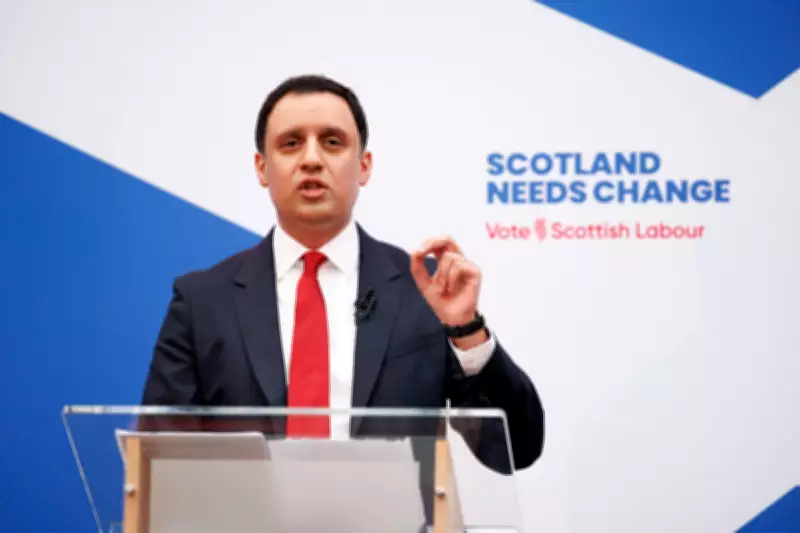
Scottish Labour leader Anas Sarwar has made a significant pledge to dramatically reduce NHS waiting times and put an end to the notorious 8am "scramble" for GP appointments. This forms a central pillar of his party's strategy to "fix the mess" within Scotland's health service as the Holyrood election campaign intensifies.
Sarwar's Vision for a Reformed NHS
Addressing voters as the campaign enters its first weekend, Sarwar argued that after two decades of SNP governance, many Scots feel the nation is "stuck," with this stagnation most evident in the NHS. He emphasised that a Labour government would prioritise getting the fundamentals right through a comprehensive plan.
Key Components of the Labour Health Plan
The proposed reforms include a concerted effort to slash soaring waiting lists, reintroduce the concept of the family doctor, and leverage new technologies to accelerate both diagnosis and treatment processes. Sarwar stressed that these measures are essential to creating an NHS that is reliably accessible when needed.

Beyond immediate healthcare improvements, the plan incorporates broader societal goals. It promises the creation of 9,000 new skilled apprenticeships, a push to build more homes, and initiatives to cut governmental waste, all aimed at making life more affordable for working people.
Critique of the SNP's Record
Labour has highlighted what it describes as the SNP's failure on health, noting that despite a 2021 NHS recovery plan promise, waiting lists have ballooned by over 237,000. The party points out there are now approximately 780,000 ongoing waits within NHS Scotland.
A particularly stark statistic reveals a five-fold increase in waits exceeding two years, rising from 1,200 in 2021 to 6,400 currently. Sarwar, drawing on his background as a former NHS dentist, stated the health service crisis is "personal" to him and warned Scotland cannot endure another five years of similar management.
SNP Response and Defence
In response, Health Secretary Neil Gray defended the SNP's record under First Minister John Swinney's leadership, asserting the NHS has "turned a corner." He cited reductions in waiting times, increases in GP numbers, more operations being performed, and the rollout of walk-in GP centres across communities.
Gray criticised Labour's approach, accusing the party of attacking the NHS and even suggesting some Labour figures would abandon the new walk-in clinics. He framed the upcoming election as a choice between Swinney's "strong leadership" and Labour's critique.
The Stakes for Voters
Sarwar concluded his appeal by urging voters to support Scottish Labour on both ballot papers in the May 7 election to secure the change he believes Scotland urgently requires. The debate sets the stage for a contentious campaign focused squarely on the future of Scotland's most cherished public service.