Pregnant women and cancer patients across England are facing potentially life-threatening delays due to a severe and growing shortage of sonographers, according to alarming new warnings from healthcare experts.
Critical Workforce Shortfall Exposed
The Society of Radiographers (SoR) has revealed that the vacancy rate for sonographers stands at 24.2% across England, with the situation dramatically worse in certain regions. In the south east of England, nearly two in five posts remain unfilled, representing a staggering 38.2% vacancy rate. London faces a 34.6% shortfall, while the North West contends with three in ten positions vacant. The North East and Yorkshire report a comparatively lower but still concerning 11% vacancy rate.
Compounding this crisis, the SoR census indicates that approximately one in every thirteen sonographers, or 7.6% of the workforce, plans to retire within the next year, further depleting an already strained system.

Impact on Pregnancy Care
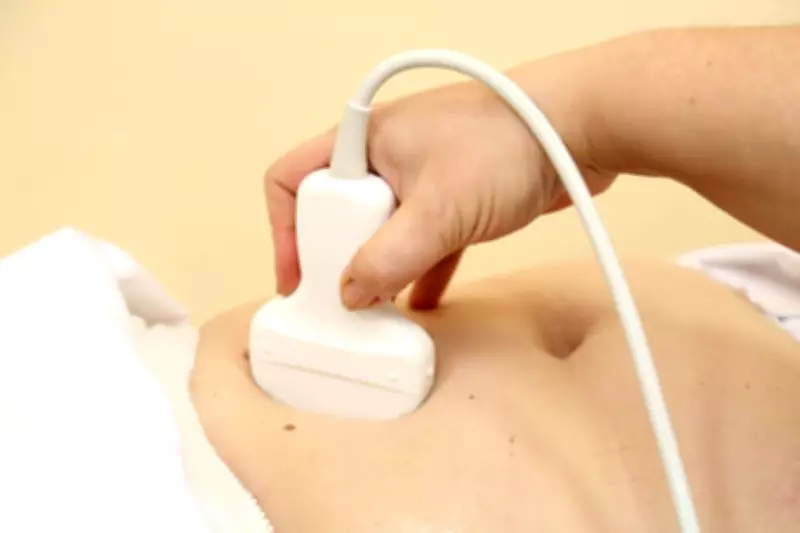
Sonographers conduct essential ultrasound scans that are fundamental to modern pregnancy care. Pregnant women are routinely offered scans at 12 weeks and again at 20 weeks to monitor foetal development and screen for potential complications.
"Hospitals try their very best to get the three-month and five-month antenatal screening scans done on time," explained Katie Thompson, SoR president and a practising sonographer. "But when there aren't enough staff, prioritising those scans has a knock-on effect on more urgent later foetal growth scans, which in some cases need to be done within 24 or 36 hours. Departments end up struggling to fit in patients who need these emergency scans."
Thompson described a domino effect where hospitals often pull sonographers from other departments to maintain basic antenatal services, inadvertently compromising those other vital healthcare areas.
Delays in Cancer Diagnosis and Treatment
The shortage extends beyond maternity services, critically impacting cancer care pathways. Ultrasound scans frequently serve as the initial investigation for patients presenting with unexplained symptoms, and they play a crucial role in monitoring patients after cancer treatment through regular follow-up scans.
"The Government's recent cancer plan spoke about increasing testing and reducing waiting lists," Thompson noted. "But sonography is one of the beginning points for people being diagnosed with cancer. With the current workforce shortfall, it's going to be very, very hard to decrease waiting times. And if cancers aren't picked up when they should be, that can have an effect on the patient's outcome."
Systemic Challenges and Government Response
The problem is deeply rooted in systemic workforce planning failures. "Training new sonographers takes quite a while, so increasing numbers can't be done very quickly," Thompson emphasised. "The fact that numbers are dropping shows that the number of sonographers being trained isn't keeping up with demand and hasn't kept up for a long time."
She called for urgent government action, stating: "We're still waiting for the Government to publish its NHS workforce plan. They've put out their cancer plan but the workforce plan should be integral to that. You can't say that you're going to invest in all these new scanners and open all these community diagnostic centres unless you've thought about the professionals who are going to conduct the scans and provide patient care."
In response, a Department of Health and Social Care spokesperson acknowledged the pressures: "We recognise the pressures facing diagnostic services, including the sonography workforce, and we are taking action to ensure the NHS has the skilled staff it needs to meet rising demand and deliver timely care to patients. We have already taken action to expand services for patients, rolling out new community diagnostic centres and expanding opening hours, keeping patients away from busy hospitals and cared for in their local communities."
Despite these measures, experts warn that without a comprehensive strategy to rapidly train, recruit, and retain sonographers, patients will continue to face dangerous delays in both maternity care and cancer diagnosis, with potentially devastating consequences for health outcomes across the nation.