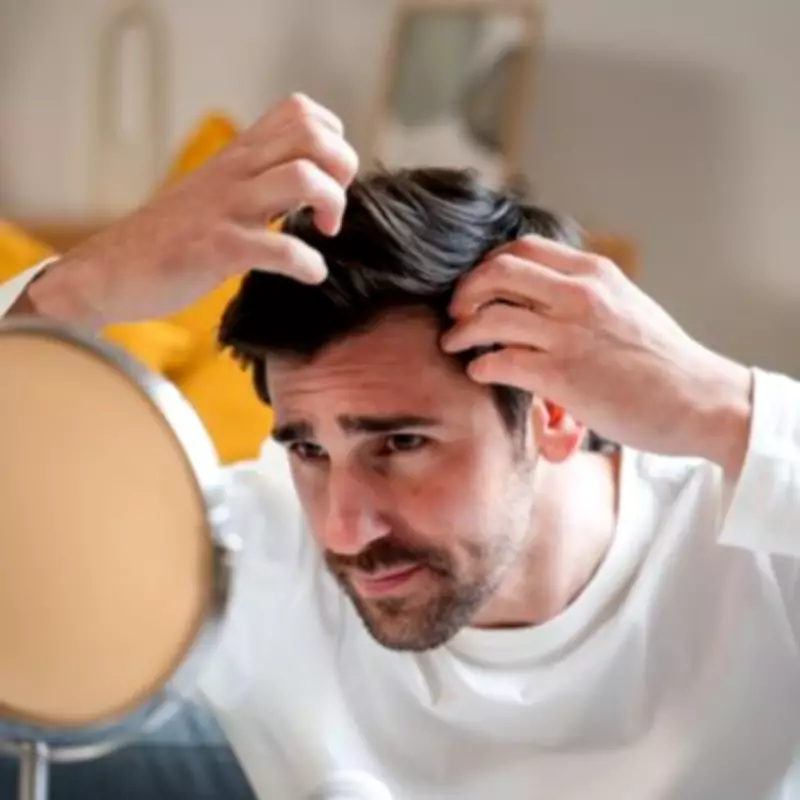
Noticing an unusual amount of hair in your brush or on your pillow can be a distressing experience. While many might attribute thinning hair to the natural ageing process, a prominent health expert suggests it could sometimes indicate a more specific nutritional shortfall within the body.
Expert Links Hair Thinning to Vitamin Deficiency
Dr Eric Berg, a health educator with a substantial online following exceeding 2.3 million on TikTok and 14 million subscribers on YouTube, has drawn significant attention to this issue through a widely viewed video. In his commentary, Dr Berg explicitly stated, “Thinning of the hair could be a biotin deficiency.” This statement has sparked considerable discussion among viewers concerned about hair health.
Understanding Biotin's Role
Biotin, also referred to as vitamin B7, is an essential member of the B-vitamin complex. Its primary function involves assisting the body in converting consumed food into usable energy. According to authoritative sources like the National Institutes of Health, biotin also fulfills a critical role in maintaining the health and integrity of hair, skin, and nails.

The vitamin actively supports the production of keratin, a fundamental structural protein that constitutes hair strands. Medical institutions, including the Cleveland Clinic, note that insufficient biotin levels can be a contributing factor to hair thinning or even hair loss in certain individuals.
Sources and Daily Requirements
Fortunately, biotin is naturally present in a variety of common food items. The NHS lists several excellent dietary sources, including:
- Eggs
- Nuts and seeds
- Salmon
- Sweet potatoes
For most individuals, consuming a balanced and varied diet provides adequate biotin. The National Institutes of Health indicates that the typical daily requirement for adults is approximately 30 micrograms of this vitamin.
Recognising Deficiency and Other Causes
It is important to note that a genuine, clinically significant biotin deficiency is considered relatively uncommon. However, the Cleveland Clinic advises that specific groups may be at higher risk. These include people with certain digestive disorders, those on long-term antibiotic regimens, or individuals with particular genetic conditions that affect nutrient absorption.
Symptoms associated with low biotin levels are not limited to hair concerns. As reported by MedlinePlus, a deficiency may also manifest through:
- Brittle, splitting nails
- Skin rashes or dermatitis
- Persistent feelings of fatigue and low energy
Hair loss itself is a complex condition with numerous potential triggers. The NHS identifies several common causes, such as high stress levels, significant hormonal changes, genetic predisposition, and various underlying medical conditions. One prevalent form is androgenetic alopecia, often termed male or female pattern baldness, which research cited by the American Academy of Dermatology confirms affects millions globally.
When to Seek Professional Advice
Health professionals universally recommend that anyone experiencing sudden, unexplained, or severe hair thinning should consult a medical practitioner. A General Practitioner can conduct simple tests to check for potential vitamin deficiencies or other hidden health issues. Based on the diagnosis, they can then recommend an appropriate course of treatment, which may include dietary adjustments or supplements.
In summary, while thinning hair is a common concern, it can occasionally serve as a visible warning sign of a biotin deficiency. Understanding the role of this vital nutrient, recognising the broader symptoms, and knowing when to seek expert guidance are crucial steps in addressing hair health concerns effectively.