Deadly Meningitis B Outbreak Spreads Across UK With Two Student Deaths
A serious outbreak of meningitis B, a rare and lethal bacterial form of meningitis, is currently spreading throughout the United Kingdom. Health officials confirm that twenty-seven individuals have been infected, with two students in southern England tragically losing their lives to the disease. This development has prompted urgent public health responses and raised international concerns about potential transmission to other regions, including the United States.
Understanding the Deadly Threat of Meningococcal Disease
Meningitis B, commonly referred to as MenB, is caused by meningococcal disease resulting from Neisseria meningitidis bacteria found in the throat and nose. According to the U.S. Centers for Disease Control and Prevention, this disease proves fatal for ten to fifteen out of every one hundred infected individuals, even when appropriate medical treatment is administered. The infection attacks the protective membranes surrounding the brain and spinal cord, creating life-threatening complications that can escalate with alarming speed.
Dr. Allison Messina, chief of the Division of Infectious Disease at Johns Hopkins All Children's Hospital, emphasized the severity of this condition in a recent statement. "Looking at the data, meningitis B is not very common, but when you get it, it is very serious," she explained. "You have a young person who is alive one day and dead the next and that gets people's attention."

Could the UK Outbreak Spread to American Shores?
While meningitis B has emerged as the leading cause of meningococcal disease across both Europe and America, CDC officials maintain that the immediate danger of widespread cases in the United States remains relatively low. A CDC spokesperson clarified to Newsweek that although transmission remains possible if exposed individuals travel to the U.S., meningococcal bacteria do not spread easily under normal circumstances.
"Transmission requires exchange of respiratory or throat secretions during close or lengthy contact, especially if living in the same household," the spokesperson noted. The bacteria typically spread through saliva exchange during intimate contact, shared drinking containers, or prolonged household exposure rather than casual interactions.
Recognizing Symptoms and Understanding Risk Factors
Early detection proves crucial with meningitis B, as the disease can rapidly progress from flu-like symptoms to life-threatening complications within hours. Key warning signs include:
- High fever and severe headache
- Stiff neck and muscle pain
- Nausea and vomiting
- Heightened sensitivity to light
- Confusion and altered mental state
Certain population groups face elevated risks for contracting meningococcal disease:
- Infants under one year old
- Adolescents and young adults aged 16-23
- Adults over sixty-five years old
- College students living in dormitories
- Military personnel in barracks settings
- Microbiology laboratory workers
Dr. Messina highlighted the environmental factors that contribute to outbreak risks: "Outbreaks most often occur where you have people living in close quarters. College students living in dorms and military members in barracks are at higher risk. Sharing cigarettes or drinks, kissing or other intimate contact also increase risk."
Vaccination Strategies and Antibiotic Interventions
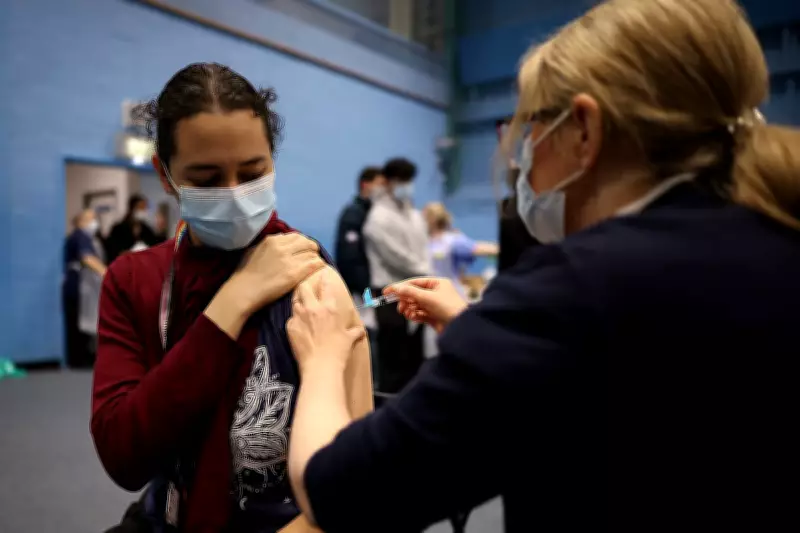
The CDC continues to recommend MenB vaccination for individuals aged ten years and older who face elevated outbreak risks, though the agency acknowledges that vaccine protection diminishes fairly quickly after administration. Healthcare providers are encouraged to discuss disease risks thoroughly with patients and parents, carefully weighing vaccination benefits against potential limitations.
"For the most complete protection I would recommend giving teens both meningitis vaccines even though the meningitis B is optional on the CDC schedule," advised Dr. Messina. "This vaccine is so important because this disease is so fatal, and there is almost no time to intervene once your child becomes ill."

Close contacts of infected individuals should receive preventive antibiotics under medical supervision, though even with prompt antibiotic treatment, approximately twenty percent of survivors experience long-term disabilities including brain damage, hearing loss, limb amputations, or nervous system complications.
Evolving Vaccine Policies and Rising Case Numbers
Earlier this year, the Trump administration revised recommendations for meningitis A, C, Y, and W vaccines, now restricting them to specific high-risk groups according to health policy organization KFF. Notably, MenB vaccination guidelines remained unchanged despite these policy adjustments.
Concerning trends have emerged in American meningococcal disease statistics, with case numbers rising sharply since 2021. The CDC documented over five hundred confirmed and probable cases in 2024 alone, representing the highest annual total reported since 2013. While MenB remains relatively rare in the United States, several college campus outbreaks have occurred over the past decade, underscoring the persistent threat this disease poses to concentrated populations.
As health authorities monitor the UK outbreak closely, the tragic student deaths serve as a sobering reminder of meningitis B's lethal potential and the critical importance of vaccination awareness, early symptom recognition, and appropriate preventive measures in vulnerable communities worldwide.