Deadly Meningitis B Outbreak Spreads Across United Kingdom
A concerning outbreak of meningitis B has taken hold in the United Kingdom, with health officials confirming 27 infections and two student fatalities in southern England. This rare bacterial form of meningitis represents the leading cause of meningococcal disease across both Europe and America, posing significant public health challenges.
Understanding the Lethal Threat of Meningococcal Disease
Meningitis B, commonly referred to as MenB, stems from meningococcal disease caused by the Neisseria meningitidis bacteria found in throat and nasal secretions. According to the U.S. Centers for Disease Control and Prevention, this disease carries a staggering fatality rate of 10 to 15 percent even with proper medical treatment. The infection attacks the protective membranes surrounding the brain and spinal cord, creating life-threatening complications.
"You have a young person who is alive one day and dead the next and that gets people's attention," emphasized Dr. Allison Messina, chief of the Division of Infectious Disease at Johns Hopkins All Children's Hospital. "Looking at the data, meningitis B is not very common, but when you get it, it is very serious."

Assessing the Risk of Transatlantic Transmission
While the UK outbreak has raised alarms, American health authorities maintain that the immediate danger of widespread transmission within the United States remains relatively low. A CDC spokesperson explained that meningococcal bacteria require specific conditions to spread effectively.
"Transmission requires exchange of respiratory or throat secretions during close or lengthy contact, especially if living in the same household," the spokesperson noted. "If someone who is exposed to these bacteria travels to the United States, there's the possibility of the outbreak strain spreading. However, meningococcal bacteria don't spread easily."
Despite this reassurance, the CDC acknowledges that MenB outbreaks have occurred at several American colleges over the past decade, highlighting particular vulnerability in congregate living settings.
Recognizing Symptoms and Understanding Vulnerabilities
The disease often manifests with symptoms that can initially resemble influenza, including fever, headache, stiff neck, nausea, vomiting, sensitivity to light, and confusion. What makes meningitis B particularly dangerous is its rapid progression from mild symptoms to life-threatening illness within hours.
Certain populations face elevated risks, including:
- Children under one year old
- Teenagers and young adults
- Adults over age 65
- College students living in dormitories
- Military personnel in barracks
- Microbiology laboratory workers
"Outbreaks most often occur where you have people living in close quarters," Dr. Messina explained. "Sharing cigarettes or drinks, kissing or other intimate contact also increase risk."
The Critical Role of Vaccination and Antibiotic Prophylaxis
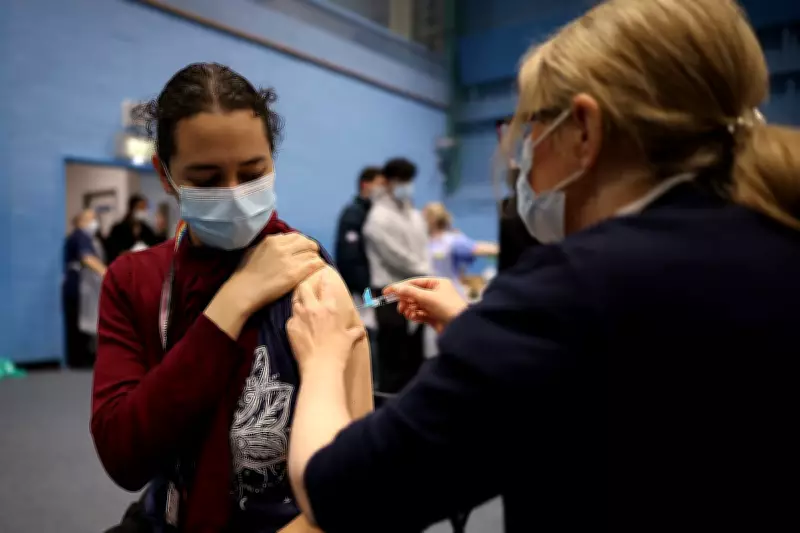
Vaccination represents the primary defense against meningococcal disease, though protection diminishes relatively quickly after administration. The CDC recommends MenB vaccination for individuals aged 10 years and older who face outbreak exposure risks.
"For the most complete protection I would recommend giving teens both meningitis vaccines even though the meningitis B is optional on the CDC schedule," Dr. Messina advised. "This vaccine is so important because this disease is so fatal, and there is almost no time to intervene once your child becomes ill."
Close contacts of infected individuals should receive antibiotics under medical supervision to prevent illness transmission. However, even with prompt antibiotic treatment, approximately 20 percent of survivors experience long-term disabilities including brain damage, hearing loss, limb amputations, or nervous system complications.
Evolving Vaccine Recommendations and Rising Case Numbers
Earlier this year, the Trump administration revised recommendations for meningitis A, C, Y, and W vaccines, now limiting them to specific high-risk groups. Notably, MenB vaccine guidelines remained unchanged according to health policy organization KFF.

Concerning trends have emerged in American case statistics, with meningococcal disease rates climbing sharply since 2021. The year 2024 witnessed over 500 confirmed and probable cases reported to the CDC—the highest annual total since 2013, indicating a troubling resurgence of this dangerous pathogen.
As health authorities monitor the UK outbreak, they emphasize the importance of awareness, preventive measures, and prompt medical attention when symptoms appear. The combination of vaccination vigilance and rapid response protocols will prove crucial in containing potential spread and protecting vulnerable populations on both sides of the Atlantic.