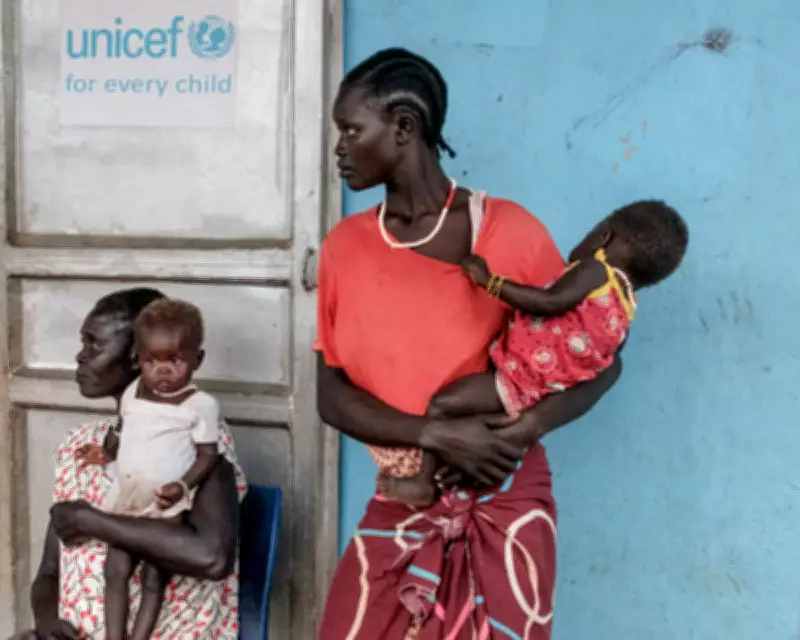
A stark new United Nations report has revealed that millions of children are dying annually from entirely preventable causes, with severe aid cuts now threatening to reverse decades of hard-won progress in child survival rates worldwide. The comprehensive analysis indicates that a staggering 4.9 million children under the age of five lost their lives in 2024, with the vast majority of these tragic deaths deemed avoidable through existing medical interventions and sustained healthcare investment.
Slowing Progress and Dire Warnings
Alarmingly, the report documents that progress toward the global goal of ending preventable child deaths by 2030 has slowed by a dramatic 60% since 2015. This deceleration has prompted urgent calls from UN experts for immediate and sustained investment in foundational health systems to get back on track. "No child should die from diseases that we know how to prevent. But we see worrying signs that progress in child survival is slowing – and at a time where we’re seeing further global budget cuts," stated Unicef executive director Catherine Russell, highlighting the perilous intersection of stalled advancement and diminishing resources.
Geographic and Medical Breakdown of the Crisis
The burden of this crisis falls most heavily on the regions of Sub-Saharan Africa and South Asia, which persistently record the worst child mortality rates globally. A significant factor is the high number of newborn deaths, which constituted nearly half of all under-five fatalities. The leading direct causes of death identified were premature birth, pneumonia, and trauma sustained during birth. Infectious diseases also played a major role, with malaria alone responsible for 17% of deaths among children who survived past their first month of life.

Furthermore, the report underscores the devastating impact of malnutrition. It found that 100,000 children died directly from severe acute malnutrition, with the highest numbers concentrated in Pakistan, Somalia, and Sudan. Critically, severe malnutrition was also identified as a significant underlying cause for countless other children who ultimately succumbed to other conditions, weakening their ability to fight illness.
The Crushing Impact of Global Aid Reductions
Humanitarian workers warn that all these causes of death are preventable with better investment in health systems, vaccinations, and nutritional support. Instead, widespread aid cuts are now actively threatening to shutter lifesaving facilities. According to monitoring by the Global Health Cluster, aid reductions in the past year affected 6,600 health facilities globally, with a full third of those forced to close their doors completely.
"We are not moving far enough or fast enough and leaving 5 million children under the age of five vulnerable," said Abdurahman Sharif, senior humanitarian affairs director at Save the Children. "Aid cuts are leading to increasing preventable deaths, threatening the continuity of lifesaving services at a time when needs are increasing. It’s reversing decades of progress."
A Compounding Crisis of Conflict and Climate
Danzhen You, chief of demographics and health at Unicef, explained that progress in reducing child deaths was already slowing due to insufficient funding for healthcare systems and newborn care. This existing challenge is now being severely compounded by the dual threats of escalating global conflicts and the intensifying climate crisis. "The cuts we are now seeing are coming on top of that trend, adding further pressure to already stretched systems. In some places, this is affecting routine immunisation, malaria prevention, nutrition services and care around birth," You detailed.
The report's conclusion is unequivocal: reduced funding directly leads to disrupted services and greater risk to children's lives. "The direction is clear: when funding is reduced, services are disrupted, and children’s lives are put at greater risk. Without sustained investment, progress is likely to slow further, and in some settings we could see gains begin to reverse," You warned, painting a grim picture of potential backsliding on one of the world's most critical humanitarian fronts.