Veterinarian Shares Personal List of Cat Breeds He Would Avoid as Pets
A veterinarian known as Ben the Vet has openly discussed four popular cat breeds in the United Kingdom, detailing why he would personally never own them and what considerations prospective pet owners should weigh before bringing one home.
In a recent TikTok video, Ben the Vet emphasised that these views are his own and that opinions may differ among other professionals and cat enthusiasts. He stressed the importance of thorough research before acquiring any pet to ensure adequate care and commitment.
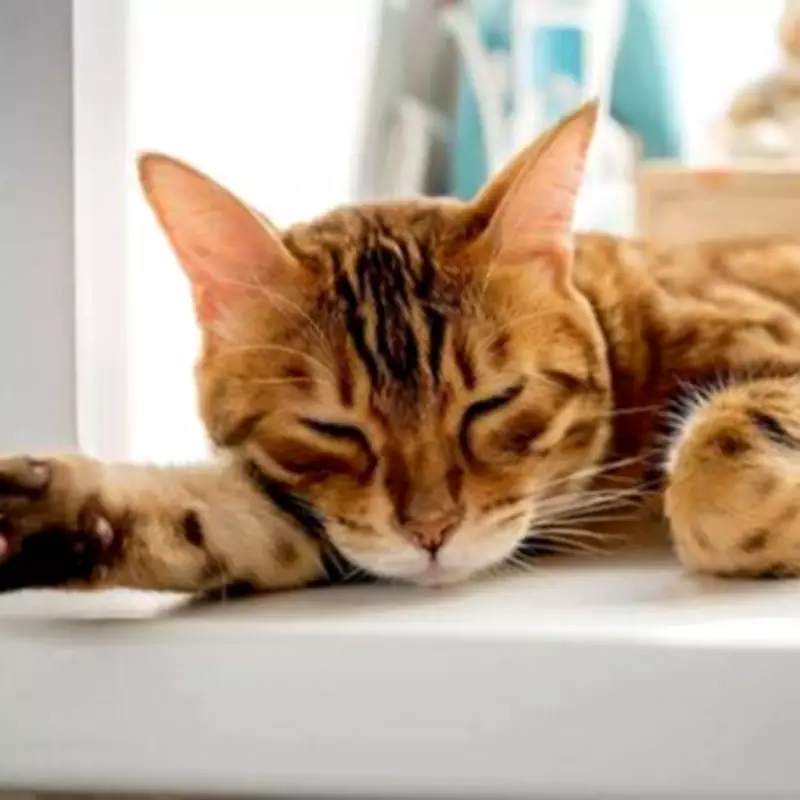
Bengal Cats: A Cross with Wild Ancestry
The vet began by addressing Bengal cats, noting their stunning appearance and beautiful coats as reasons for their popularity. However, he explained his reluctance stems from their hybrid nature, being a cross between wild and domestic cat breeds.

"At veterinary practices, Bengals have developed a reputation for displaying aggressive tendencies," Ben stated. "This behaviour typically arises from fear, but it can render them quite hazardous to handle. They possess high intelligence and require substantial mental stimulation, yet many households fail to provide an appropriate environment for their needs."
Sphynx Cats: A Matter of Personal Preference
Next on his list were Sphynx cats, known for their hairless appearance. Ben admitted his decision here is largely based on personal taste rather than health concerns.
He simply prefers cuddling with fluffy felines, making the Sphynx an unsuitable choice for him personally, though he acknowledged others might find them delightful companions.
Scottish Fold Cats: Genetic Cartilage Disorder
The third breed Ben would never purchase is the Scottish Fold, famous for its distinctive curled ears. He revealed that this charming feature actually results from a cartilage disorder.
"This defective cartilage extends throughout all their joints, leading to a high likelihood of developing painful arthritis at a young age," he explained. "I cannot support the breeding of Scottish Fold cats because I do not wish to contribute to their potential suffering."
Persian Cats: Severe Health Complications
Topping his list, Persian cats would never reside in his household due to their brachycephalic (flat-faced) structure causing numerous health issues.
Ben elaborated: "I have encountered Persian cats with noses that appear inverted into their faces and eyes that bulge beyond their nasal bridge. Many people remain unaware that these cats can experience breathing difficulties as severe as some flat-faced dog breeds."
"The underlying reasons are similar: their nostrils are excessively small, the bones within their nasal passages are overcrowded, and their tear ducts frequently malfunction."
Ultimately, Ben the Vet's insights serve as a crucial reminder for all prospective pet owners to conduct comprehensive research, ensuring they can dedicate sufficient time and resources to meet their animal's specific needs, regardless of breed.