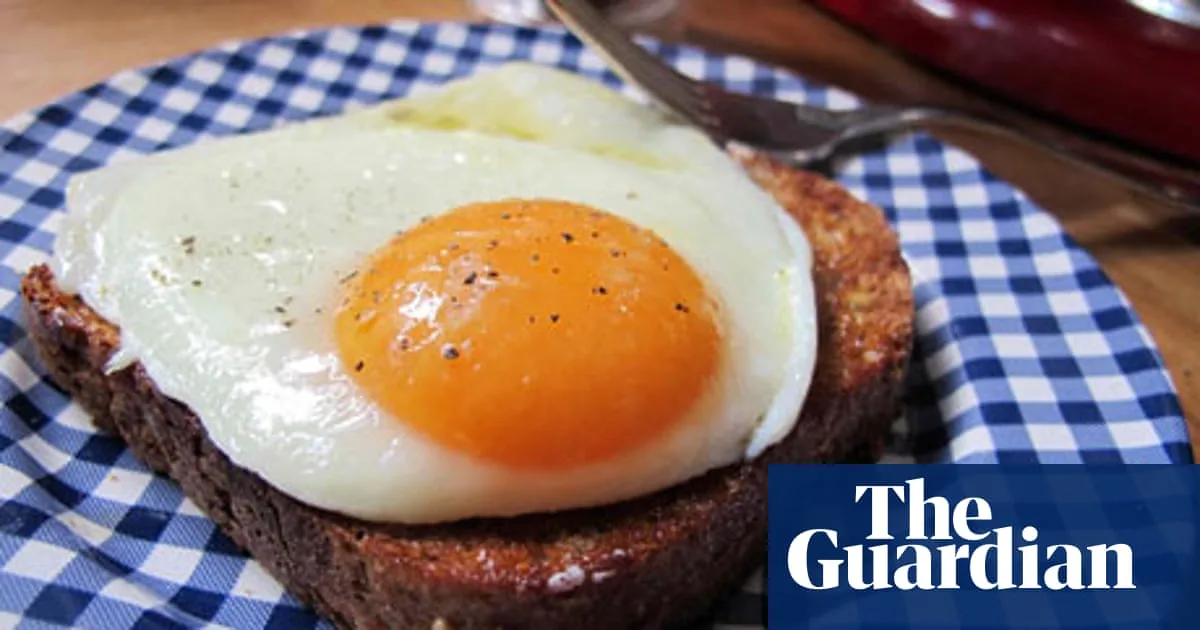
Frying an egg seems simple, but many home cooks struggle with snotty whites or chalky yolks. The legendary French chef Fernand Point judged a chef by his fried eggs, and even modern masters like José Andrés admit they've spent a lifetime perfecting the technique. For a classic British sunny-side up egg, there's no flipping involved, but the method can vary greatly.
Start with fresh, room-temperature eggs for best results. Cold eggs from the fridge increase the risk of overcooking the yolk while waiting for the white to set. Duck eggs have larger yolks and a richer flavour, but their higher protein content means the white cooks faster, so practice is needed.
The choice of fat is crucial. Traditionalists favour bacon fat, but it can be messy. Groundnut oil is neutral, while olive oil adds a fruity note and butter brings richness. Delia Smith uses a high heat for 30 seconds, then reduces to medium for a minute, creating a crispy, frilly edge. José Andrés prefers medium-high heat and shallow-fries the egg in a pool of oil, basting it for about 30 seconds until perfectly cooked.

Butter is often the default for its complementary richness with the yolk, but olive oil works well when serving the egg over boldly flavoured dishes like morcilla and chickpeas. For a full fry-up, butter is non-negotiable.
Ultimately, the perfect fried egg depends on personal preference and what you're serving it with. Experiment with different fats and heat levels to find your ideal method, and remember that even the greatest chefs have spent years trying to get it right.