

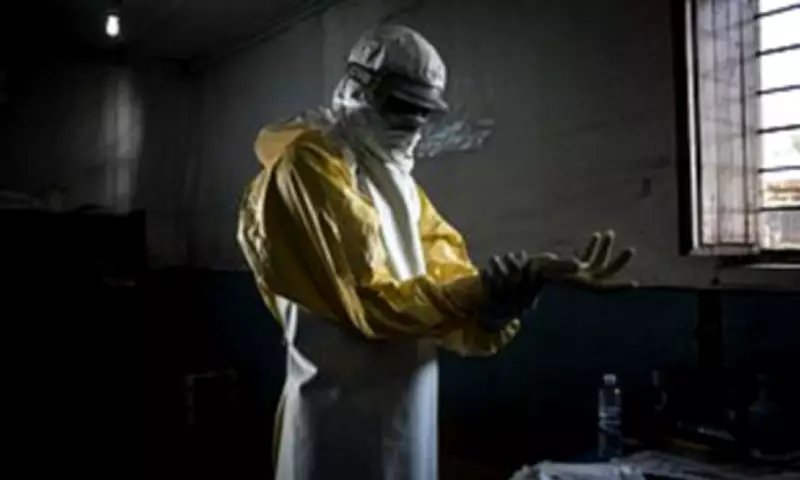
An American citizen has been infected with the Ebola virus in the Democratic Republic of Congo, health officials confirmed on Tuesday, as the country grapples with one of the largest outbreaks of the deadly disease in its history.
Details of the Infection
The individual, whose identity has not been disclosed, is believed to have contracted the virus while working in the region affected by the outbreak. The patient has been evacuated to a medical facility for treatment, according to officials from the World Health Organization (WHO).
This marks the first known case of an American contracting Ebola during the current outbreak, which has already claimed hundreds of lives since it began last year. The outbreak is centered in the eastern provinces of North Kivu and Ituri, areas plagued by conflict and instability, complicating efforts to contain the virus.

Response and Containment Efforts
Health authorities are working to trace contacts and implement measures to prevent further spread. The WHO has deployed additional teams to the region to assist with vaccination campaigns and public health education. Experimental treatments, including monoclonal antibodies, are being used to treat infected patients.
Dr. Tedros Adhanom Ghebreyesus, WHO Director-General, expressed concern over the outbreak's persistence but emphasized that the risk of international spread remains low. 'We have the tools to stop this outbreak, but we need sustained commitment and funding,' he said in a statement.
Impact on the Region
The outbreak has overwhelmed local healthcare systems, with many hospitals lacking adequate protective equipment and staff. The ongoing violence has hindered access to affected communities, leading to distrust and resistance among some populations. More than 2,000 cases have been reported, with a fatality rate of around 67%.
The United States Centers for Disease Control and Prevention (CDC) has issued travel advisories for the region, urging caution for those traveling to affected areas. The agency is also monitoring the situation closely and coordinating with international partners.
Previous Outbreaks
This is not the first time Ebola has posed a threat to international travelers. In 2014, an outbreak in West Africa led to several cases in the United States and Europe, prompting widespread fear and stringent screening measures. However, health officials note that the current outbreak is largely contained to the region and that the risk to the general public remains minimal.
The infected American's case underscores the global nature of infectious disease threats and the importance of robust surveillance and response systems. As efforts continue to bring the outbreak under control, the focus remains on saving lives and preventing further transmission.






