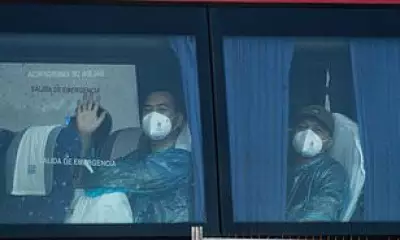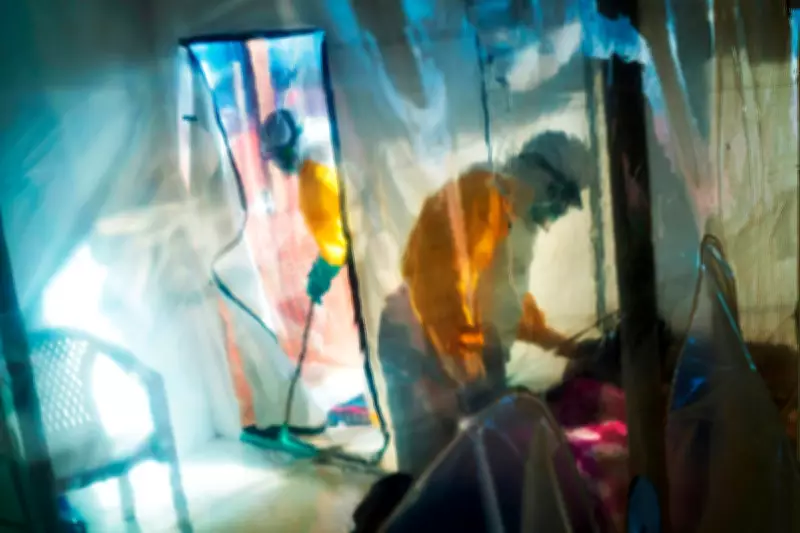
A microbiologist has provided key insights into the current Ebola outbreak in West Africa, which the World Health Organization has declared a public health emergency of international concern. The virus, first detected on May 5 in the Democratic Republic of the Congo (DRC), has since spread to Uganda, with 336 reported infections and at least 88 deaths across both countries.
What is the Ebola virus?
Ebola is caused by a group of viruses known as Orthoebolaviruses. The strain responsible for this outbreak, Bundibugyo, is rare and particularly dangerous because there is no approved vaccine to protect against it. The WHO declares a public health emergency when a serious, sudden, or unexpected outbreak requires a coordinated international response to curb its spread, as has been done for mpox, COVID-19, previous Ebola outbreaks, Zika, polio, and swine flu.
When did this outbreak start?
The virus was first identified on May 5 in the DRC and confirmed as the Bundibugyo strain on May 15. It has since spread to Uganda, with two cases detected in the capital, Kampala. A suspected case in Kinshasa, the DRC's most populous city, tested negative, but experts warn the outbreak could still reach there. The WHO has cautioned that the true scale of the outbreak may be larger than current figures indicate.

How does Ebola spread?
African fruit bats are believed to be the natural hosts of the virus. Monkeys, apes, and antelope can contract the infection from bats. The first human case was recorded in the DRC in 1976, marking the 17th outbreak. The worst was the 2014–16 West Africa epidemic, caused by the Zaire strain, which killed over 11,000 people. The virus spreads from person to person through direct contact with bodily fluids such as blood, faeces, or vomit, including from deceased individuals. Healthcare workers and caregivers face the highest risk.
What are the symptoms?
Symptoms of Ebola can appear suddenly and include fever, fatigue, malaise, muscle pain, headache, and sore throat. These are often followed by vomiting, diarrhoea, abdominal pain, rash, and impaired kidney and liver function, leading to organ failure. In some cases, bleeding and haemorrhaging occur. Overall, about 50% of those infected die, though mortality rates have ranged from 25% to 90% in past outbreaks, depending on the strain and access to care. The current strain has a lower death rate of around 40%, but the lack of a vaccine makes it more dangerous.
Why isn’t there a vaccine?
Two approved Ebola vaccines exist: Ervebo, released in 2015 and used for 345,000 people during the 2018–2020 DRC outbreaks, and Zabdeno, which has undergone clinical trials and is mainly given to primary contacts and healthcare workers. However, Zabdeno requires two doses weeks apart, making it less suitable for emergency responses. Vaccines for the Bundibugyo strain remain in the research phase, with only pre-clinical trials in animal models completed so far.
How is it treated and managed?
There are no specific treatments for the Bundibugyo strain. Care focuses on managing symptoms such as maintaining blood pressure, reducing vomiting and diarrhoea, ensuring hydration, and controlling fever and pain. The WHO's Ebola surveillance strategy guides public health responses, combining community communication, rapid diagnosis, isolation, contact tracing, and safe burials to stop transmission. Contact tracing involves identifying everyone who had direct physical contact with a symptomatic case, monitoring them daily for 21 days, and isolating and testing anyone who develops symptoms. Testing uses real-time PCR and rapid antigen tests to detect viral particles, similar to COVID-19 testing. However, local conflict, poverty, and difficult terrain make field management challenging.

Should we be concerned?
The outbreak's epicentre, Ituri province, is a conflict-affected, high-traffic mining region where workers frequently move across health zones and borders, increasing the risk of spread. At least four healthcare workers have died, indicating gaps in infection prevention at healthcare facilities. While border closures are not currently necessary, authorities recommend that the DRC and Uganda enhance contact tracing and scale up laboratory testing. Australia's direct risk remains low, and the WHO advises against travel restrictions. However, Australian border authorities require those returning from Ebola-affected regions to report this. As the situation evolves rapidly, staying updated on restrictions and quarantine guidelines is crucial.
Thomas Jeffries, a Senior Lecturer in Microbiology at Western Sydney University, contributed this analysis, originally published by The Conversation and republished under a Creative Commons licence.