Navigating Nursery Bugs: The 15 Common Illnesses Every Parent Must Understand
New research has shed light on the health challenges faced by young children in nursery settings, indicating that those starting nursery can anticipate experiencing approximately 15 illnesses during their first year. This total typically breaks down into 12 respiratory episodes, two gastrointestinal incidents, and one rash-related occurrence. Experts, including consultant paediatrician Dr Arindam Das, emphasise that this frequent illness is not only normal but also a critical process for developing a robust immune system in early childhood.
Common Ailments in Nursery Environments
Children frequently encounter a range of common ailments in nursery settings, which can include:
- Coughs and colds
- Fever
- Tummy bugs
- Conjunctivitis
- Hand, foot, and mouth disease
- Chickenpox
These illnesses are often spread through close contact and shared spaces, making nurseries a hotspot for transmission. However, Dr Das reassures parents that this exposure is essential for building immunity, as it helps the body learn to fight off infections more effectively in the future.

Practical Advice for Parents
To manage these common illnesses at home, parents are advised to focus on good hygiene practices and ensure adequate hydration for their children. Simple measures, such as regular handwashing and disinfecting surfaces, can significantly reduce the spread of germs. Additionally, keeping children well-hydrated supports their recovery and overall health during illness.
Guidelines for Keeping Children Home
Knowing when to keep a child home from nursery is crucial to prevent the spread of illness to others. Key guidelines include:
- Wait at least 48 hours after vomiting or diarrhoea symptoms have completely stopped before returning to nursery.
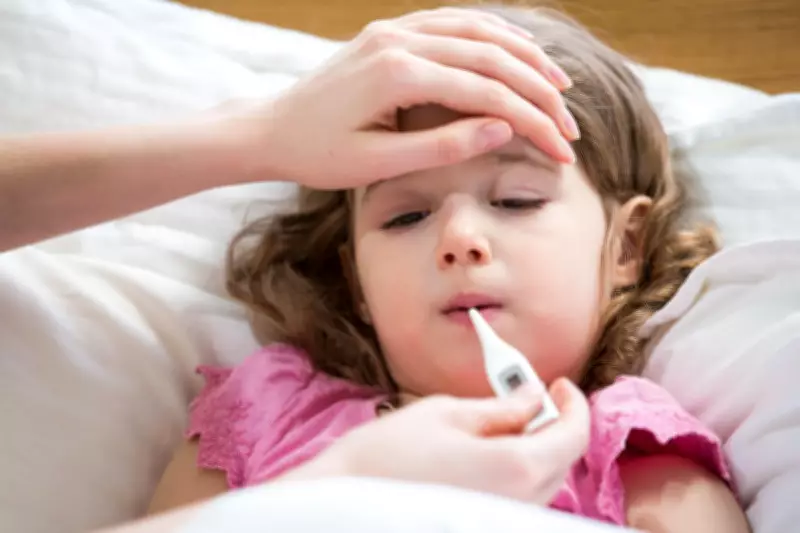
- Keep children home if they have a high temperature, as this often indicates an active infection.
- If a child is actively coughing and sneezing, it is best to keep them at home to avoid transmitting respiratory illnesses to peers.
By following these recommendations, parents can help protect not only their own child's health but also that of the wider nursery community. This proactive approach aligns with expert advice on fostering a healthy environment for all children.